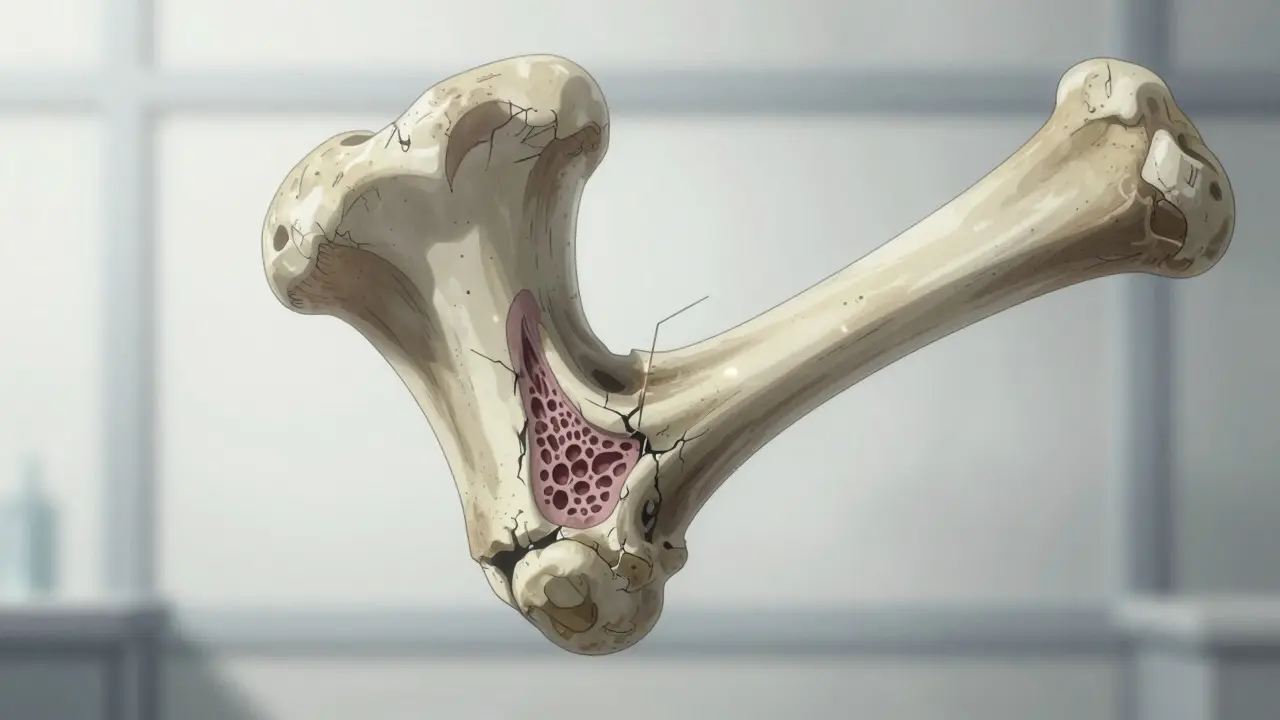
Every year, roughly two million people in the United States break a bone due to osteoporosis, a condition that weakens bones until they shatter from minor falls or even sneezes. The cost? About $52 billion annually. For many patients and doctors, the go-to advice is simple: take some calcium and vitamin D. But does this actually stop bones from breaking? The answer is more complicated than a pill bottle suggests. While these nutrients are essential for bone health, taking them isn't a magic shield against fractures for everyone. Understanding when supplements help, when they do nothing, and when you need stronger medical intervention is key to protecting your skeleton.
The Real Role of Calcium and Vitamin D
Think of calcium as the raw material for building strong bones. Your body needs it constantly to maintain bone density. However, you can only absorb so much at once. If you don't get enough from food, supplements can fill the gap. But here’s the catch: if your body isn’t absorbing it properly because you lack vitamin D, extra calcium won’t do much good. This is where vitamin D acts as the gatekeeper, allowing your intestines to absorb calcium. Without sufficient vitamin D, calcium just passes through your system.
Research shows that taking vitamin D alone rarely prevents fractures. A major 2019 review of 34,000 participants found no significant difference in fracture rates for those taking vitamin D by themselves. The benefit appears only when combined with calcium. Specifically, taking 800-1,000 IU of vitamin D3 along with 1,000-1,200 mg of calcium daily reduced the risk of any fracture by 6% and hip fractures by 16%. These numbers might sound small, but for someone at high risk, every percentage point matters. However, low doses-like 400 IU of vitamin D or less than 1,000 mg of calcium-showed no benefit at all in large studies involving postmenopausal women.
Who Actually Benefits From Supplements?
Not everyone needs the same dose. The effectiveness of calcium and vitamin D depends heavily on your starting point. If you are already well-nourished and have healthy vitamin D levels, adding more supplements likely won’t lower your fracture risk further. The biggest gains come from people who are deficient. For example, nursing home residents with very low baseline vitamin D levels (below 20 ng/mL) saw a 43% drop in hip fractures when given higher doses of both nutrients. In contrast, community-dwelling older adults with moderate levels saw little to no improvement.
If you fall into one of these groups, supplements are worth considering:
- You have a confirmed vitamin D deficiency (levels below 20 ng/mL).
- Your daily dietary calcium intake is under 700 mg.
- You live in a care facility or spend very little time outdoors.
- You are postmenopausal with low bone density (osteopenia).
For others, focusing on diet and safe sunlight exposure may be more effective than popping pills. Always check your levels first. Blood tests measuring 25-hydroxyvitamin D are the standard way to determine if you’re deficient. Target levels for bone health generally range between 30 and 50 ng/mL.
When Supplements Aren’t Enough: Bone-Building Medications
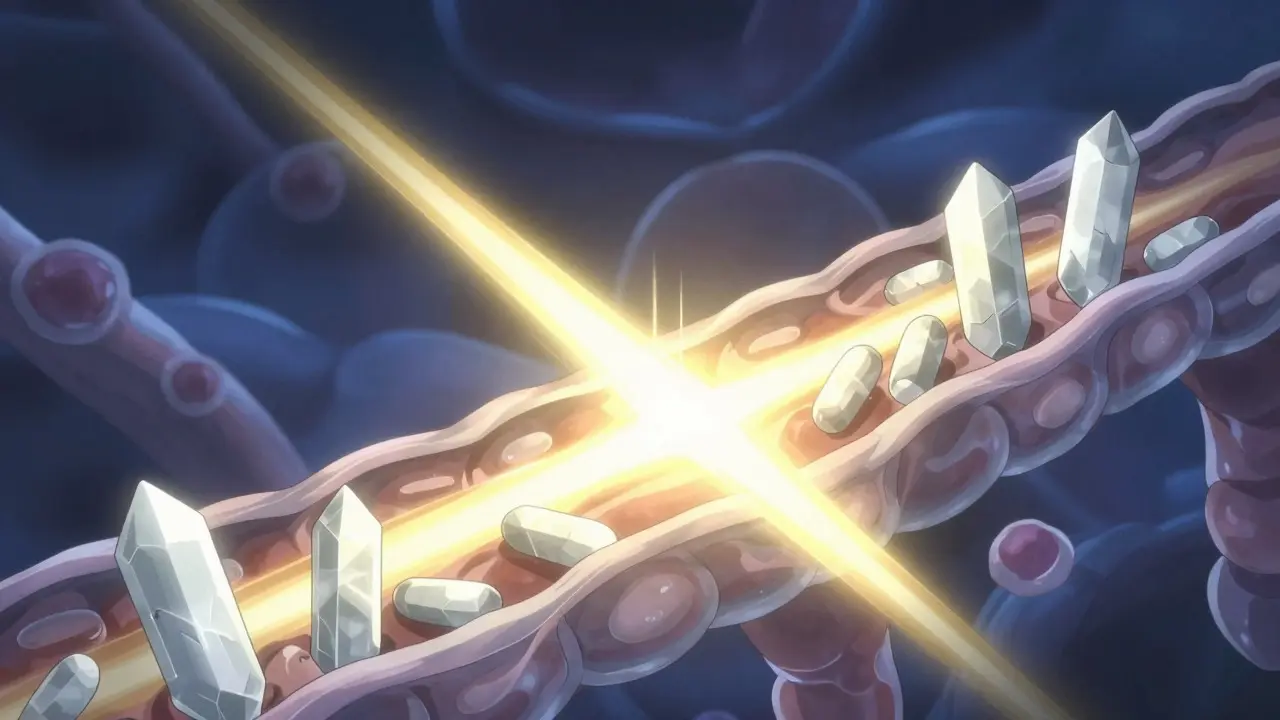
Sometimes, nutrition isn’t enough. When bone loss is rapid or severe, doctors prescribe bone-building medications that actively slow down bone breakdown or stimulate new bone formation. These drugs work differently than supplements. They don’t just provide materials; they change how your body handles bone tissue.
The most common class is bisphosphonates, such as alendronate (Fosamax) and zoledronic acid (Reclast). These drugs block the cells that break down bone. In clinical trials, alendronate reduced vertebral fracture risk by 44%, while zoledronic acid cut hip fracture risk by 41% over 18 months. Newer options include denosumab (Prolia), an injectable taken every six months, and teriparatide (Forteo), which stimulates new bone growth. Teriparatide is particularly powerful for severe cases, reducing vertebral fractures by up to 86% in recent trials.
| Intervention | Mechanism | Typical Efficacy | Key Considerations |
|---|---|---|---|
| Calcium + Vitamin D | Nutritional support | 6-16% reduction in fractures | Only effective in deficient individuals; low doses ineffective |
| Bisphosphonates | Slows bone breakdown | 40-70% reduction in vertebral fractures | GI side effects; dental checks required before use |
| Denosumab | Slows bone breakdown | Similar to bisphosphonates | Injection every 6 months; rebound effect if stopped |
| Teriparatide | Stimulates new bone | Up to 86% reduction in vertebral fractures | Expensive; limited duration of use (2 years) |
Risks and Side Effects to Watch
No treatment is without trade-offs. High-dose calcium supplementation has been linked to a 17% increased risk of kidney stones. Additionally, some studies suggest a potential link between excessive calcium intake and cardiovascular events, though this remains debated. On the medication side, oral bisphosphonates can cause stomach irritation, heartburn, and esophagitis if not taken correctly. You must stay upright for 30 minutes after taking them. Rarely, long-term use can lead to atypical femoral fractures or jaw issues known as osteonecrosis, though the risk is very low (less than 0.1%).
Compliance is another major hurdle. Many patients quit oral bisphosphonates within the first year due to side effects or the strict dosing requirements. This is why newer treatments like denosumab, which requires only two injections a year, are gaining popularity despite their cost. Choosing the right option depends on your specific health profile, tolerance for side effects, and lifestyle.

How to Decide What’s Right for You
Don’t guess your risk. Use tools like the FRAX calculator, developed by the World Health Organization, to estimate your 10-year probability of fracture. This tool considers age, weight, height, previous fractures, smoking status, and other factors. If your risk score crosses certain thresholds (often above 20% for major fractures in the US), medication might be recommended alongside supplements.
Here is a practical approach to getting started:
- Get tested: Ask your doctor for a blood test to check vitamin D levels and a bone density scan (DEXA) to assess bone strength.
- Diet first: Aim for 1,000-1,200 mg of calcium from food sources like dairy, leafy greens, and fortified plant milks.
- Supplement wisely: Only add calcium and vitamin D if your diet or blood levels indicate a need. Stick to evidence-based doses (800-1,000 IU vitamin D, 1,000-1,200 mg calcium).
- Consider medication: If you have osteoporosis or high fracture risk, discuss prescription options with your healthcare provider.
- Stay active: Weight-bearing exercises like walking, dancing, or resistance training are crucial for maintaining bone mass regardless of what you take.
Frequently Asked Questions
Do I need to take calcium and vitamin D together?
Yes, for fracture prevention, they work best as a team. Vitamin D helps your body absorb calcium. Taking vitamin D alone has shown little to no benefit in preventing fractures in most studies. The combination of 800-1,000 IU of vitamin D and 1,000-1,200 mg of calcium daily is the dose supported by evidence for reducing fracture risk in at-risk populations.
Is vitamin D alone enough to prevent broken bones?
Generally, no. Large meta-analyses have found that vitamin D supplementation alone does not significantly reduce the risk of fractures. It becomes effective primarily when paired with adequate calcium intake or supplementation, especially in individuals who are initially deficient in vitamin D.
What are the risks of taking too much calcium?
Excessive calcium intake, particularly from supplements exceeding 1,000 mg daily, has been associated with a higher risk of kidney stones. Some research also suggests a potential link to cardiovascular issues, although this is still being studied. It is safer to get most of your calcium from food and use supplements only to meet your remaining needs.
When should I consider bone-building medication instead of just supplements?
Medication is typically considered if you have a diagnosis of osteoporosis, have had a fragility fracture, or have a high calculated fracture risk using tools like FRAX. Supplements support general bone health, but medications like bisphosphonates or teriparatide are needed to actively reverse or halt significant bone loss in severe cases.
How often should I get my vitamin D levels checked?
If you are supplementing, doctors usually recommend checking your 25-hydroxyvitamin D levels every 3 to 6 months initially to ensure you reach the target range of 30-50 ng/mL. Once stable, annual checks may suffice. This monitoring helps prevent both deficiency and toxicity, ensuring you are getting the right amount for your body.