
Non-Opioid Pain Management Matchmaker
When you're in pain, the idea of reaching for an opioid pill can feel like the only way out. But for millions of people managing chronic pain - from arthritis to nerve damage - opioids aren't just risky, they often don't work well over time. The truth is, there are dozens of effective, safer ways to manage pain without opioids. And they're not just theoretical. They're backed by science, used in clinics across the U.S. and the UK, and trusted by patients who’ve tried everything else.
Why Skip Opioids? The Real Risks
Opioids were once seen as the gold standard for pain. But the data tells a different story. In 2021, over 16,700 deaths in the U.S. were linked to prescription opioids. That’s not just a statistic - it’s someone’s parent, sibling, or neighbor. The CDC’s 2022 guidelines make it clear: opioids offer little long-term benefit for chronic pain, and the risks - addiction, overdose, drowsiness, constipation - far outweigh the gains for most people.Studies show that after three months, opioids stop working better than placebos for conditions like lower back pain or osteoarthritis. Meanwhile, side effects pile up: dizziness, nausea, dependency. Even if you don’t become addicted, your body adapts. You need higher doses just to feel the same relief. And when you stop? Withdrawal can be brutal.
That’s why doctors are now told to start with non-opioid options first. It’s not about avoiding medication - it’s about choosing smarter ones.
Non-Drug Solutions That Deliver Real Results
You don’t need a pill to feel better. Some of the most powerful pain relief comes from movement, mindfulness, and hands-on care.- Exercise therapy - Whether it’s walking, swimming, or lifting light weights, regular movement reduces inflammation and strengthens the muscles that support painful joints. The CDC recommends at least 2-3 sessions per week for 6-8 weeks. A 2022 study in JAMA Network Open found people with chronic back pain who stuck with exercise reported the same level of function as those on opioids - but with 40% fewer side effects.
- Physical therapy - A licensed physical therapist doesn’t just give you stretches. They create a personalized plan. For knee or hip pain, that might mean balance drills, gait training, or targeted strengthening. Most programs last 6-12 weeks. Medicare covers 80% of the cost after your deductible. Private insurers usually require co-pays, but many now cover 15-20 sessions annually.
- Yoga, tai chi, and qigong - These aren’t just relaxation techniques. They combine movement, breath, and focus. A 2023 review found they reduce pain intensity by 30-50% in people with fibromyalgia and chronic low back pain. They also help with sleep and anxiety - two things that make pain worse.
- Cognitive behavioral therapy (CBT) - This isn’t talk therapy for depression. It’s a structured 8-12 week program that teaches you how your thoughts and behaviors affect pain. One patient in Bristol, who’d been on opioids for seven years, switched to CBT and cut her painkiller use by 70%. She now uses a combination of CBT, walking, and heat wraps.
- Acupuncture and massage - A 2022 survey on Mayo Clinic Connect found 52% of chronic pain users reported meaningful relief from acupuncture. Massage therapy, especially for muscle tension, is backed by solid evidence. Both are now covered by some private insurers in the UK and U.S., though often with limits.
These methods don’t work overnight. They require commitment. But if you stick with them, the payoff is huge: less pain, better sleep, more energy - and no risk of overdose.

Non-Opioid Medications That Actually Work
Sometimes, you need something stronger than a stretch. That’s where non-opioid medications come in. They’re not perfect, but they’re far safer than opioids.- NSAIDs (ibuprofen, naproxen) - These are the most common. They work well for joint pain, sprains, and inflammation. But they’re not for everyone. Long-term use can harm your stomach, kidneys, or heart. The CDC advises not to exceed 3,000-4,000 mg of acetaminophen per day, and to avoid NSAIDs if you have kidney disease or high blood pressure.
- Acetaminophen (Tylenol) - Good for mild to moderate pain. Safer on the stomach than NSAIDs, but too much can damage your liver. Stick to 3,000 mg daily if you drink alcohol or have liver issues.
- Duloxetine and venlafaxine - These SNRI antidepressants are FDA-approved for chronic musculoskeletal pain and nerve pain. They don’t make you feel “happy.” They help your brain better manage pain signals. About 30-50% of users see a 30-50% reduction in pain after 4-6 weeks.
- Pregabalin and gabapentin - These are anticonvulsants, but they’re widely used for nerve pain from diabetes, shingles, or sciatica. They work for about 30-50% of users. Side effects? Drowsiness and weight gain. Many people need to start low and go slow.
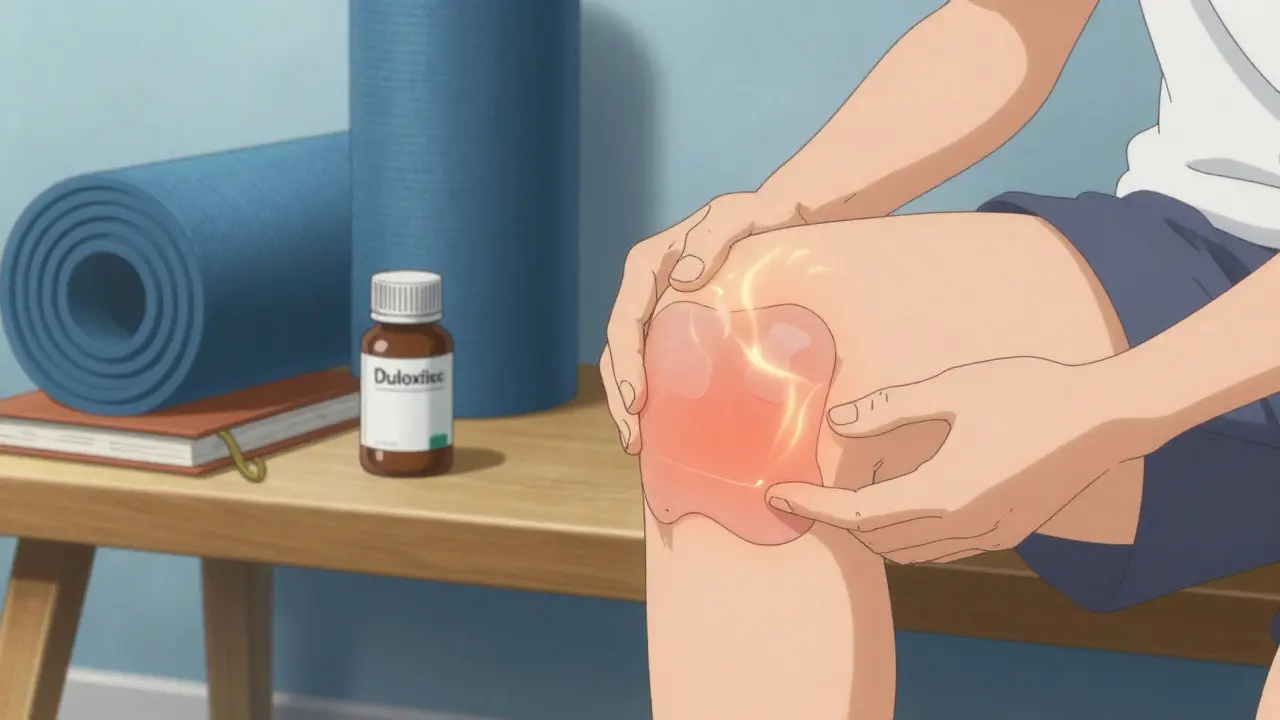
- Topical treatments - Lidocaine patches and capsaicin cream go right on the skin. They’re great for localized pain - like a sore knee or a painful nerve patch. No stomach upset. No drowsiness. Just targeted relief.
And now, there’s a new player: Journavx (suzetrigine). Approved by the FDA in October 2023, it’s the first new non-opioid painkiller in over 20 years. It works by blocking sodium channels in nerves - a completely different mechanism than opioids. It’s currently approved for short-term, moderate-to-severe pain like after surgery. For many, it’s a game-changer because it fills a gap: strong pain relief without the risk.
What Doesn’t Work - And Why
Not every alternative is created equal. Some are backed by science. Others? Not so much.Don’t waste your time on:
- Long-term opioid use - Even if it worked once, studies show it loses effectiveness after 3 months. And the risk of dependence grows.
- Unregulated supplements - Many “natural” pain relievers (like turmeric or CBD) have weak or inconsistent evidence. CBD oil isn’t FDA-approved for pain, and dosing is a guessing game.
- One-size-fits-all treatments - What helps your neighbor’s back pain might do nothing for yours. Pain is personal. Your treatment should be too.
Also, insurance can be a barrier. In the U.S., a 2022 survey by the U.S. Pain Foundation found 42% of patients hit coverage limits for physical therapy or acupuncture. In the UK, NHS waiting lists for physio can stretch to months. That’s why self-management matters. Learn what works. Track your progress. Talk to your doctor about alternatives.
How to Start - A Simple Plan
You don’t need to overhaul your life. Start small.- Talk to your doctor - Ask: “What non-opioid options are right for my type of pain?” Don’t be afraid to push back if opioids are the only option offered.
- Try one movement-based approach - Start with walking 20 minutes, three times a week. Or try a free YouTube yoga class for chronic pain.
- Consider one medication - If you’re on NSAIDs, ask if acetaminophen or a topical cream might be safer. If you have nerve pain, ask about duloxetine or pregabalin.
- Track your pain - Use a simple app or notebook. Rate your pain 1-10 each day. Note what you did and how you felt. Patterns emerge.
- Look for support - The U.S. Pain Foundation and the British Pain Society offer free guides and local groups. You’re not alone.
One patient in Bristol, 68, switched from oxycodone to a mix of walking, CBT, and topical diclofenac. Two years later, she’s off opioids entirely. Her pain? Still there - but manageable. Her energy? Better than it’s been in a decade.
The Bigger Picture
This isn’t just about avoiding addiction. It’s about living better. The global market for non-opioid pain treatments is growing fast - projected to hit $58 billion by 2030. Why? Because people are demanding better. Doctors are learning faster. And new treatments like suzetrigine show we’re not stuck with the same old options.There’s no magic bullet. But there are dozens of smart, safe, science-backed choices. You don’t have to suffer. You don’t have to risk your life. You just need to know what’s out there - and take the first step.
Can non-opioid treatments really work as well as opioids for chronic pain?
Yes - for most people. A major 2022 study in JAMA Network Open tracked over 200 patients with chronic back or knee pain. Those using non-opioid treatments (like NSAIDs, physical therapy, and antidepressants) reported the same level of pain relief and function after 12 months as those on opioids. But the non-opioid group had far fewer side effects - 17.7 per patient on average, compared to 28.9 for opioid users. The CDC now says non-opioid options are safer and just as effective for most chronic pain.
Are there any non-opioid painkillers that work for severe pain?
Yes. Journavx (suzetrigine), approved by the FDA in October 2023, is the first new non-opioid painkiller in over 20 years. It’s designed specifically for moderate-to-severe acute pain - like after surgery or injury. It works differently than opioids, targeting nerve signals without the risk of addiction. While it’s not yet approved for long-term chronic pain, it’s a major breakthrough. For chronic pain, combinations of NSAIDs, antidepressants, and anticonvulsants like pregabalin can also provide strong relief.
Why isn’t physical therapy covered better by insurance?
Insurance limits are often based on outdated assumptions that pain treatment should be quick and pill-based. In the U.S., many plans cap physical therapy at 15-20 visits per year - even though the CDC recommends 6-12 weeks of regular sessions. Medicare covers 80% after your deductible, but private insurers often require co-pays and prior authorization. In the UK, NHS waits can be months long. The good news? More insurers are starting to cover acupuncture, CBT, and aquatic therapy as evidence grows. Advocacy and patient demand are slowly changing this.
How long does it take for non-opioid treatments to work?
It varies. Exercise and physical therapy often show improvement in 4-6 weeks. Antidepressants like duloxetine can take 4-6 weeks to reach full effect. Topical creams may work in days. Mind-body practices like CBT or mindfulness need 8-12 weekly sessions to build skills. The key is consistency. Unlike opioids, which give quick relief but fade over time, non-opioid methods build lasting change - but they require patience.
What should I do if my doctor won’t stop prescribing opioids?
Ask for a referral to a pain specialist or a multidisciplinary pain clinic. These teams include doctors, physiotherapists, psychologists, and pharmacists trained in non-opioid care. You can also bring printed guidelines - like the CDC’s 2022 Clinical Practice Guideline - to your appointment. Many doctors are now required by law (in states like Florida and under federal guidelines) to discuss non-opioid options before prescribing opioids. If you’re in the UK, ask your GP about NHS pain management programs or local community pain services.
Noluthando Devour Mamabolo
March 15, 2026 AT 02:24Leah Dobbin
March 15, 2026 AT 09:35mir yasir
March 16, 2026 AT 20:05Hugh Breen
March 17, 2026 AT 16:44Byron Boror
March 18, 2026 AT 22:50Lorna Brown
March 19, 2026 AT 10:23Scott Smith
March 20, 2026 AT 05:50Sally Lloyd
March 20, 2026 AT 08:29Emma Deasy
March 21, 2026 AT 14:51