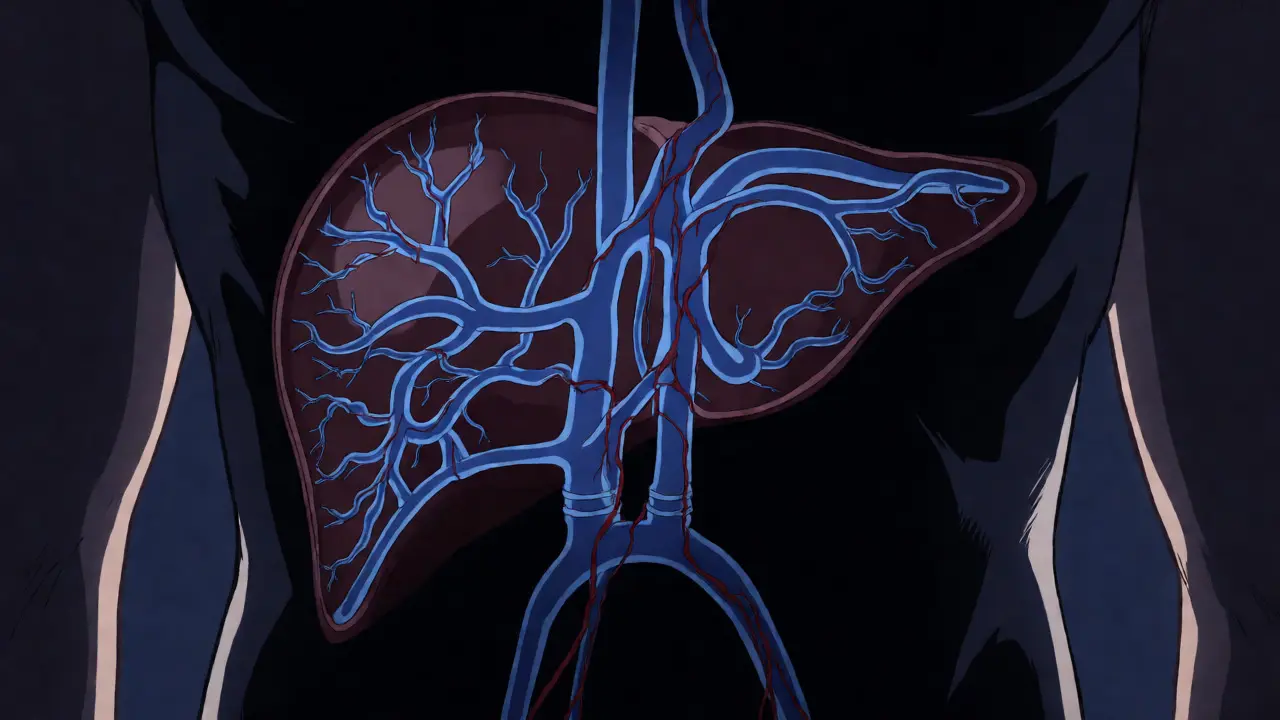
Imagine your body’s plumbing system slowly rusting shut from the inside out. That is essentially what happens in Primary Sclerosing Cholangitis, or PSC. It is a rare, chronic condition where the tubes that carry bile from your liver to your intestines become inflamed and scarred. This scarring narrows the ducts, trapping bile inside the liver. Over time, this trapped bile damages liver tissue, potentially leading to cirrhosis or liver failure. Unlike many other liver issues, PSC doesn’t announce itself with loud alarms for years. Many people live with it silently until routine blood tests reveal elevated liver enzymes.
If you have been diagnosed recently, or if you are worried about unexplained fatigue and itching, you are likely looking for clear answers. You want to know what is happening inside your body, how fast it moves, and what you can actually do about it. The truth is, there is no magic pill that reverses the scarring yet. But understanding the mechanics of the disease changes everything. It shifts you from a passive patient to an active manager of your own health. Let’s break down exactly what Primary Sclerosing Cholangitis is, who gets it, and how modern medicine handles this complex puzzle.
The Gut-Liver Connection: Why Your Intestines Matter
You might wonder why a liver disease has such strong ties to the gut. Here is the surprising part: up to 80% of people with PSC also have inflammatory bowel disease (IBD), most commonly ulcerative colitis. Researchers now believe the two conditions share a common root cause involving the immune system and the microbiome. Think of the gut-liver axis as a direct highway. When the lining of your intestine becomes leaky due to inflammation, bacteria and their byproducts escape into the bloodstream. These substances travel straight to the liver via the portal vein. In genetically susceptible individuals, the liver’s immune cells overreact to these invaders, attacking the bile ducts instead of just fighting the infection.
This theory explains why treating the IBD alone often doesn’t stop the PSC progression. The damage to the bile ducts is already underway. Dr. Tom Hemming Karlsen, a lead researcher at Oslo University Hospital, emphasizes that specific bacterial metabolites trigger these immune responses. So, while managing your colitis is crucial, it is not a cure-all for the liver side of the equation. This connection highlights why a multidisciplinary team-gastroenterologists and hepatologists working together-is essential for effective care.
Diagnosis: Beyond Standard Blood Tests
Getting a definitive diagnosis for PSC can be frustratingly slow. On average, patients wait between two to five years from the onset of symptoms to a confirmed diagnosis. Why? Because early-stage PSC often shows no physical signs. You might feel fine, but your blood work tells a different story. Doctors look for elevated alkaline phosphatase (ALP) levels, an enzyme that spikes when bile flow is blocked. However, high ALP alone isn’t enough to confirm PSC; it could mean anything from a bone issue to medication side effects.
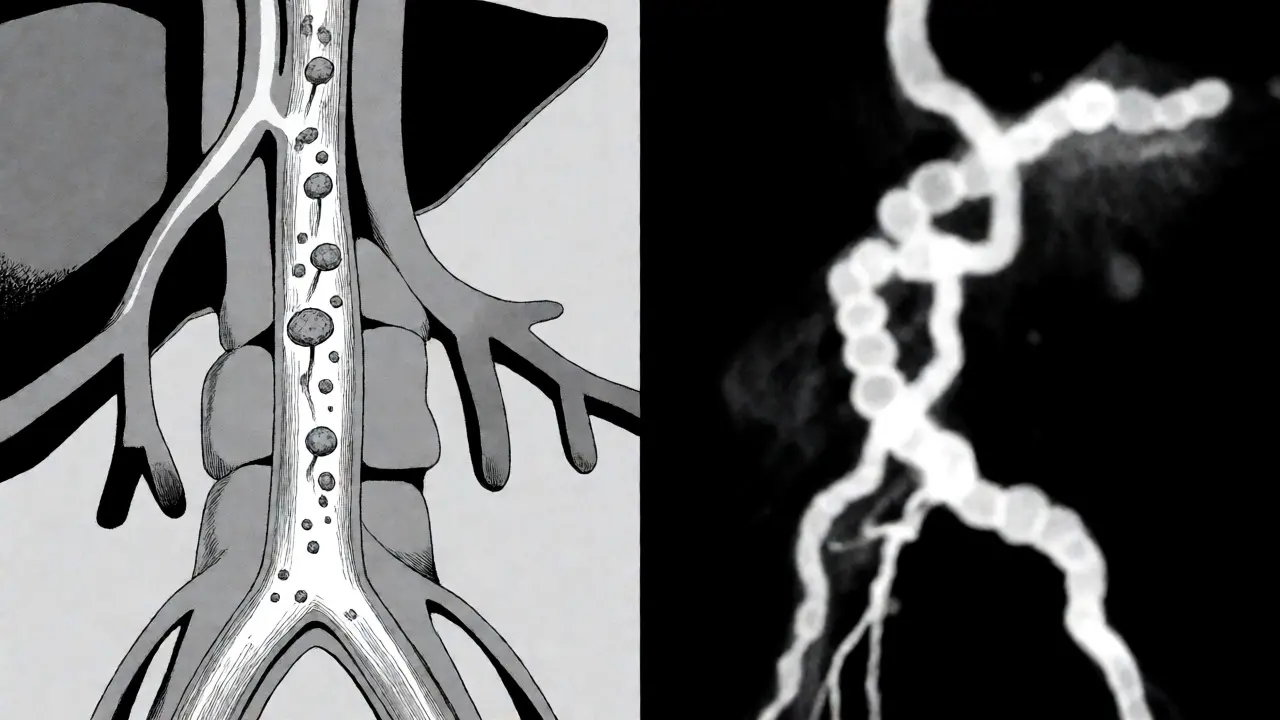
The gold standard for diagnosis is imaging, specifically Magnetic Resonance Cholangiopancreatography (MRCP). This non-invasive MRI scan creates detailed images of your bile ducts. In a healthy person, these ducts are smooth and open. In someone with PSC, they look like a string of beads-alternating narrow strictures and wider sections. If MRCP results are unclear, doctors may perform an Endoscopic Retrograde Cholangiopancreatography (ERCP). This procedure involves threading a scope down your throat to inject dye directly into the ducts, offering both diagnostic clarity and therapeutic options if a blockage needs clearing.
Symptoms: More Than Just Itching
Fatigue is the number one complaint among PSC patients, reported by 92% of those surveyed in patient communities. It is not just being tired after a long day; it is a deep, systemic exhaustion that sleep doesn’t fix. Then there is pruritus, or severe itching. Patients describe it as feeling like the itch comes from beneath the skin, sometimes even from the bones. This happens because bile acids accumulate in the skin when they can’t drain properly.
- Fatigue: Often disproportionate to activity levels and resistant to rest.
- Pruritus: Worsens at night, disrupting sleep and quality of life.
- Abdominal Pain: Typically felt in the upper right quadrant, especially during flare-ups.
- Jaundice: Yellowing of the skin and eyes, indicating significant bile buildup.
It is important to note that some people remain asymptomatic for decades. They only discover the condition through incidental findings on blood tests done for other reasons. This "silent" phase is tricky because it delays intervention, allowing fibrosis to progress unnoticed. Regular monitoring is key, even if you feel perfectly healthy.
Treatment Strategies: Managing the Unmanageable
Here is a hard truth: there is currently no FDA-approved drug that stops or reverses PSC. For years, Ursodeoxycholic Acid (UDCA) was the go-to treatment. However, recent large-scale trials have cast doubt on its efficacy. High-dose UDCA showed no survival benefit and may even increase risks. Consequently, major guidelines from the European Association for the Study of the Liver now recommend against routine use of UDCA for all patients. Instead, treatment focuses on symptom management and preventing complications.
| Symptom | First-Line Treatment | Notes |
|---|---|---|
| Pruritus (Itching) | Bile Acid Sequestrants (e.g., Colesevelam) | Binds bile acids in the gut; taken with meals. |
| Pruritus (Resistant) | Rifampicin or Naltrexone | Rifampicin requires liver monitoring; Naltrexone blocks opioid receptors. |
| Strictures | ERCP Balloon Dilation | Physically opens narrowed ducts; stents may be placed temporarily. |
| Vitamin Deficiency | Supplementation (A, D, E, K) | Fat-soluble vitamins are poorly absorbed due to lack of bile. |
For mechanical blockages, endoscopic procedures are highly effective. If a dominant stricture (a particularly tight narrowing) causes sudden jaundice or cholangitis, doctors can dilate it using a balloon during ERCP. This provides immediate relief but does not treat the underlying inflammation. Stenting is another option, though it carries higher risks of infection compared to dilation alone.
The Role of Liver Transplantation
When medical management fails, or when cirrhosis sets in, liver transplantation becomes the definitive solution. It is not just a last resort; it is a well-established pathway with excellent outcomes. Five-year survival rates post-transplant exceed 80%. However, the journey to transplant is long. Patients must be monitored closely for signs of decompensation, such as fluid accumulation in the abdomen (ascites) or confusion (encephalopathy).
A critical concern for transplant candidates is the risk of recurrent PSC in the new liver. Studies suggest recurrence occurs in 15-30% of cases within ten years. Interestingly, having an intact colon seems to lower this risk, reinforcing the gut-liver link. Some centers now consider colectomy (removal of the colon) before or during transplant for patients with severe ulcerative colitis to reduce recurrence rates.

Living with PSC: Daily Adjustments
Managing PSC requires lifestyle tweaks that support liver function. Nutrition plays a vital role. Since bile helps digest fats, you may struggle to absorb fat-soluble vitamins (A, D, E, K). Regular blood tests will check these levels, and supplements are often necessary. Alcohol consumption should be limited or avoided entirely, as the liver is already under stress. There is no specific "PSC diet," but a balanced, low-sodium diet helps prevent fluid retention if cirrhosis develops.
Mental health is equally important. The uncertainty of a progressive disease takes a toll. Support groups, both online and local, provide invaluable community. Connecting with others who understand the specific frustration of unexplained fatigue or intense itching can alleviate feelings of isolation. Remember, you are not defined by your diagnosis. Many people live full, productive lives for decades with proper monitoring and care.
The Future: Emerging Therapies
Hope is on the horizon. Clinical trials are actively testing drugs that target the pathways involved in bile acid regulation and inflammation. Obeticholic acid, an FXR agonist, has shown promise in reducing liver enzyme levels in Phase 3 trials. Another candidate, cilofexor, received orphan drug designation in Europe based on positive Phase 2 results. These medications aim to change the course of the disease rather than just manage symptoms.
Researchers are also exploring the role of the microbiome. Fecal microbiota transplants and targeted antibiotics are being studied to see if altering gut bacteria can calm the immune attack on the bile ducts. While we are not there yet, the next decade looks promising for the development of true disease-modifying therapies.
Is Primary Sclerosing Cholangitis genetic?
While PSC is not strictly hereditary like cystic fibrosis, genetics play a significant role. Scientists have identified over 20 susceptibility genes, particularly those related to the immune system (HLA region). Having a first-degree relative with PSC increases your risk, but most patients do not have a family history of the disease. Environmental triggers combined with genetic predisposition are believed to cause the condition.
Can I drink alcohol with PSC?
Moderation is key, but abstinence is safest. Alcohol is metabolized by the liver, adding extra workload to an organ already struggling with bile flow. In early stages, occasional light drinking may be permitted by your hepatologist. However, once fibrosis or cirrhosis develops, complete avoidance is typically recommended to prevent further damage and complications.
How quickly does PSC progress?
Progression varies widely among individuals. On average, it takes 12 to 15 years from symptom onset to develop cirrhosis. Some patients experience rapid decline, while others remain stable for decades. Factors influencing speed include the presence of dominant strictures, concurrent inflammatory bowel disease, and whether the patient is symptomatic at diagnosis. Asymptomatic patients generally have better long-term outcomes.
Does removing the colon help PSC?
Colectomy (surgical removal of the colon) is primarily performed to treat severe ulcerative colitis or colorectal cancer risk. Its effect on PSC is debated. Some studies suggest that removing the source of intestinal inflammation may slow PSC progression or reduce the risk of recurrence after liver transplant. However, it is not a guaranteed treatment for the liver disease itself and is decided on a case-by-case basis.
What are the warning signs of cholangitis?
Cholangitis is a bacterial infection of the blocked bile ducts and is a medical emergency. Watch for Charcot’s triad: fever (usually above 38.5°C), right upper quadrant abdominal pain, and jaundice (yellowing of skin/eyes). If you experience these symptoms, seek immediate medical attention. Prompt antibiotic treatment and drainage of the bile duct are required to prevent sepsis.
Kimberly Thomas
September 3, 2026 AT 05:29Stop romanticizing the "silent" phase. It is not a blessing, it is a diagnostic failure. You are letting fibrosis accumulate while feeling fine because your body hasn't screamed yet. That 2-5 year delay isn't just annoying, it is negligence in how we monitor high-risk IBD patients. We need aggressive screening protocols, not this passive waiting game where people find out their liver is already cirrhotic.
kishhore kumar
September 4, 2026 AT 18:31this is really helpful info!! i have UC and my doctor mentioned PSC risk but never explained the gut-liver axis so clearly 😊 the part about bacteria metabolites triggering immune response makes total sense now 🤔 do you think probiotics help with this specific pathway or is it too late once ducts are scarred??
Morgan Law
September 5, 2026 AT 15:32Hey there! Just wanted to say thanks for putting this together. As someone who has been managing PSC for a few years, the breakdown on UDCA was spot on. My hepatologist stopped prescribing it after those trials came out and honestly, my symptoms didn't get worse, which was a relief. Also, huge +1 for mentioning mental health. The fatigue is real and it messes with your head more than people realize. Hang in there everyone!
Aaron Gragg
September 7, 2026 AT 07:42The discussion regarding Ursodeoxycholic Acid (UDCA) necessitates a nuanced understanding of the underlying pathophysiology rather than mere adherence to outdated clinical habits. While the European Association for the Study of the Liver guidelines rightly caution against routine administration due to the lack of survival benefit in high-dose regimens, one must consider the heterogeneity of patient responses. In certain subpopulations with small-duct PSC, lower doses may still offer choleretic benefits without the adverse effects observed in large-duct disease. Furthermore, the correlation between inflammatory bowel disease and primary sclerosing cholangitis suggests that systemic immunomodulation might be more effective than localized bile acid therapy. It is imperative that clinicians utilize magnetic resonance cholangiopancreatography not merely as a diagnostic tool but as a longitudinal monitoring instrument to detect subtle changes in biliary tree morphology before irreversible fibrosis occurs.
Curtis Surpless
September 8, 2026 AT 22:17udca debate is overblown... its placebo at best anyway... stop wasting money on supplements if your alkaline phosphatase is stable... focus on colonoscopy surveillance instead... thats where the cancer risk actually lies...
Harry Falk
September 10, 2026 AT 08:13Good overview. The point about colectomy reducing recurrence post-transplant is crucial for candidates to understand. Often overlooked in general discussions.
Marshall Stephens
September 11, 2026 AT 22:02I appreciate the balanced take here. It's easy to get scared by the 'progressive' label, but the section on living with PSC offers some genuine comfort. Knowing that many live full lives for decades helps keep things in perspective. Thanks for sharing.
Sarah Leitschuh
September 12, 2026 AT 11:34Really insightful read. I think the emphasis on the multidisciplinary team is key. Too often patients feel siloed between GI and Hepatology. Bridging that gap could save years of frustration. Also, the note on vitamin absorption is something every newly diagnosed person needs to hear immediately.
Adam Cox
September 12, 2026 AT 16:54You're missing the obvious economic angle. Who pays for the MRCPs? Insurance companies deny them until you're symptomatic. So the "silent" phase is also a financial trap. You pay out of pocket or wait months for approval while your ducts narrow. It's not just biology, it's bureaucracy.