
Imagine you have been taking a specific medication for years. It works. Your symptoms are under control. Then, your doctor or pharmacy tells you that you will be switched to a different version of the drug. It is not a generic pill; it is a biosimilar, a complex biological product designed to be highly similar to an already-approved reference product. The question on everyone's mind is simple but heavy: what happens when you change from the originator? Does it still work? Will you get sick? Is this just a cost-cutting measure that ignores your health?
The short answer, backed by extensive clinical data, is that for most patients, switching is safe and effective. However, the reality is more nuanced than a simple yes or no. Biosimilars are not identical copies like generic antibiotics. They are large, complex molecules produced in living cells. Because of this complexity, minor differences exist. Understanding these differences, the science behind them, and the psychological factors at play is crucial for anyone facing a switch in their treatment plan.
Understanding the Difference Between Biosimilars and Generics
To understand why switching feels different, we first need to clarify what we are actually switching to. Many people confuse biosimilars with generic drugs, but they are fundamentally different entities.
Generic drugs are small-molecule chemical compounds. Think of aspirin or ibuprofen. Their molecular structure is simple and fully defined. A generic version must be chemically identical to the brand-name original. You can copy the formula exactly, molecule for molecule.
In contrast, Biologics are large, complex proteins made inside living cells, such as bacteria or mammalian cell lines. Examples include insulin, monoclonal antibodies like adalimumab (Humira), and infliximab (Remicade). Because they are made in living systems, slight variations occur naturally during manufacturing. No two batches are perfectly identical, even within the same brand. Therefore, a biosimilar cannot be an exact copy. Instead, regulatory agencies like the FDA and EMA require manufacturers to prove that the biosimilar is "highly similar" to the reference product, with no clinically meaningful differences in safety, purity, or potency.
| Feature | Generic Drug | Biosimilar |
|---|---|---|
| Molecular Size | Small, simple molecules | Large, complex proteins |
| Manufacturing Process | Chemical synthesis | Living cell cultures |
| Identity to Original | Identical | Highly similar, not identical |
| Regulatory Pathway | Abbreviated New Drug Application (ANDA) | Biosimilar License Application (BLA) |
| Switching Expectation | Seamless, automatic substitution | Requires clinical assessment and monitoring |
This distinction matters because it explains why regulators do not treat biosimilars the same way they treat generics. You cannot simply swap them at the pharmacy counter without considering the patient's medical history. This leads us to the core issue: the act of switching itself.
The Clinical Evidence: What Studies Show About Switching
If you are worried about losing efficacy, look at the data. The fear that switching will cause your disease to flare up is understandable, but current evidence suggests otherwise for the vast majority of patients.
A comprehensive analysis of randomized controlled trials and observational studies published between 2016 and 2023 confirms that switching from originator biologics to biosimilars maintains comparable efficacy and safety profiles. This holds true across major conditions like rheumatoid arthritis, psoriatic arthritis, axial spondyloarthritis, and inflammatory bowel disease.
Consider the NOR-Switch study, a pivotal piece of research involving 481 patients. Researchers monitored patients who switched from the originator infliximab to the biosimilar CT-P13. At 52 weeks, the retention rate-the percentage of patients still on the drug-was 52.6% for the biosimilar group versus 60.0% for those who stayed on the originator. While there was a difference, it was not statistically significant (p=0.16). This means the difference could easily be due to chance rather than the drug itself.
Another key metric is immunogenicity, which refers to the body developing antibodies against the drug. If your immune system attacks the medication, it stops working. In a 2022 study by Lauret et al., researchers looked at patients who switched multiple times-from originator to one biosimilar, then to another. The rate of anti-drug antibody formation was incredibly low: only 3 events per 100 patient-years. Crucially, there were no statistically significant changes in adverse events or drug trough levels (the amount of drug in your blood) after switching.
Even in difficult-to-treat conditions like inflammatory bowel disease, results remain robust. A 2021 study showed that 90.6% of patients maintained clinical remission after switching between two different infliximab biosimilars. Fecal calprotectin levels, a marker for gut inflammation, remained virtually unchanged (median 124 μg/g pre-switch vs. 118 μg/g post-switch).
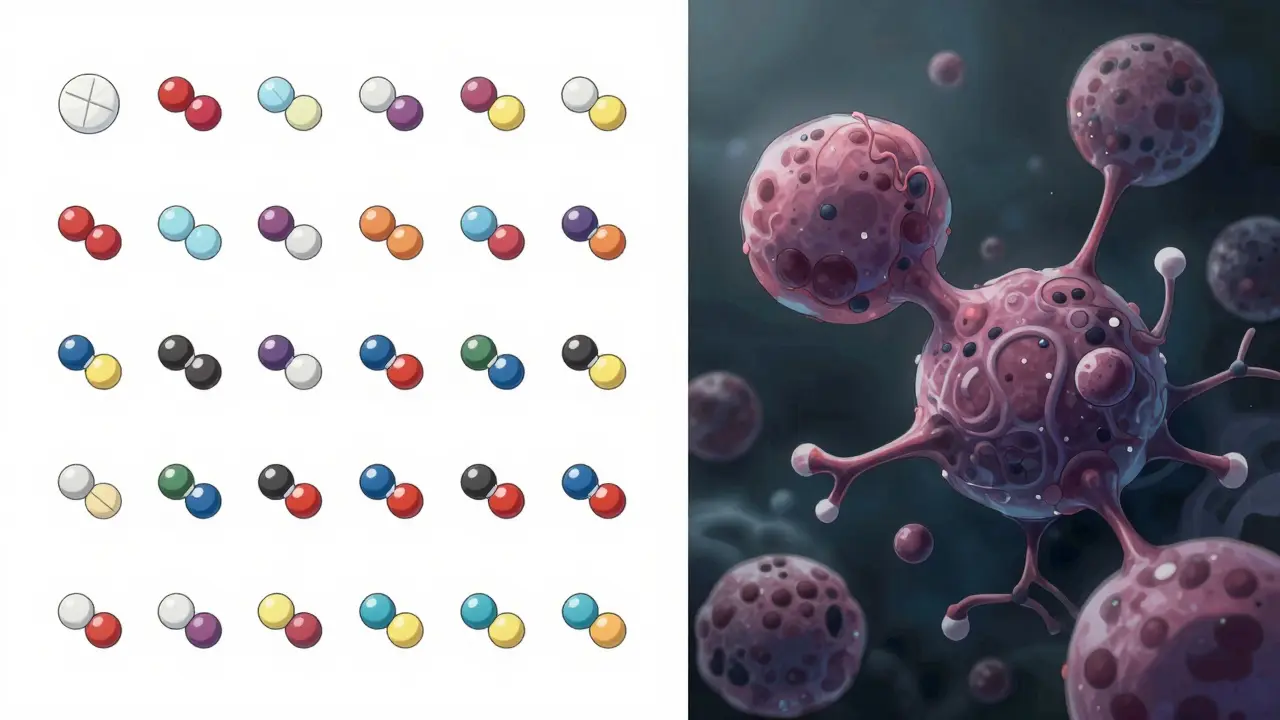
The Nocebo Effect: Why Some Patients Feel Worse
If the science says switching is safe, why do some patients report feeling worse? Why do some stop taking the new drug entirely? The answer often lies not in the medicine, but in the mind. This phenomenon is known as the nocebo effect.
The nocebo effect is the opposite of the placebo effect. Instead of expecting a treatment to help and feeling better, you expect it to harm or fail, and you experience negative symptoms as a result. In the context of biosimilar switching, anxiety plays a huge role.
A 2021 study published in Frontiers in Psychology documented that 32.7% of patients reported new or worsening symptoms after non-medical switching. However, lab tests often showed no actual deterioration in disease activity. These patients were experiencing the physical manifestation of anxiety. Online communities, such as Reddit forums for rheumatoid arthritis, are filled with threads where patients describe "feeling the difference" despite having normal inflammatory markers.
This is particularly evident in studies involving etanercept. One switch study showed a 12.6% discontinuation rate, yet there was no objective difference in efficacy compared to the originator. The patients stopped because they believed the new drug wasn't working, not because it objectively failed. Recognizing the nocebo effect is vital. It does not mean the patient's feelings are fake; pain and discomfort are real. But understanding that anxiety can amplify these sensations helps doctors manage expectations and provide better support.
When Switching Might Be Risky
While the overall data is reassuring, switching is not without risks for every single individual. There are specific scenarios where caution is warranted.
- Unstable Disease Activity: If your condition is currently flaring or poorly controlled, switching introduces a variable at the worst possible time. Experts generally recommend waiting until your disease is stable (e.g., DAS28 score below 3.2 in rheumatoid arthritis) before making any changes.
- History of Immunogenicity: If you have previously developed antibodies to the originator drug, leading to loss of response, switching may not solve the problem. In some cases, it could worsen the immune reaction.
- Multiple Successive Switches: While single switches are well-studied, repeated switching between different biosimilars is less common. Some studies, like a 2022 Spanish cohort, noted slightly higher discontinuation rates (15.3%) during biosimilar-to-biosimilar switches in IBD patients compared to historical controls. While trough levels remained comparable, the cumulative stress on the treatment regimen can be a factor.
Dr. Kenneth Fass, a prominent gastroenterologist, has pointed out that approximately 20% of IBD patients lose response to infliximab annually regardless of the product source. This natural progression of disease can sometimes be mistakenly blamed on a recent switch, complicating the attribution of cause and effect.

How Healthcare Systems Are Managing the Transition
The push toward biosimilars is largely driven by economics. Biologics are expensive. Biosimilars typically launch at a discount of 15-35% below the originator price. For example, Humira biosimilars launched in the U.S. market with significant discounts, aiming to reduce the financial burden on healthcare systems and patients.
However, cost savings should never come at the expense of patient trust. Regulatory bodies have taken steps to ensure safety. The FDA approved its first interchangeable adalimumab biosimilar, Cyltezo, in 2024. "Interchangeable" is a special designation that allows pharmacists to substitute the biosimilar for the originator without consulting the prescriber, provided state laws permit it. This designation requires additional switching studies to demonstrate safety and efficacy.
In Europe, the European Medicines Agency (EMA) takes a slightly different approach. Their position paper states that switching between reference medicines and biosimilars is not expected to compromise safety or efficacy based on extensive clinical data. They do not require a separate "interchangeability" designation, viewing biosimilarity as sufficient for switching under medical supervision.
Despite these regulatory frameworks, implementation varies. By 2023, 85% of U.S. health plans had implemented mandatory switch policies. This top-down pressure can make patients feel powerless. That is why expert consensus emphasizes the importance of structured patient communication protocols.
Best Practices for Patients Facing a Switch
If your doctor recommends switching to a biosimilar, you are not alone. Millions of patients worldwide are on these therapies. Here is how to navigate the transition safely and confidently.
- Have an Open Conversation: Ask your doctor why the switch is happening. Is it due to insurance coverage, cost, or supply issues? Understanding the reason can reduce anxiety.
- Request Pre-Switch Counseling: The PERFUSE study demonstrated that educational interventions reduced discontinuation rates from 18% to 6.4%. Ensure you have a dedicated session with your healthcare provider to discuss expectations, potential side effects, and what to monitor.
- Monitor Closely After the Switch: Do not assume everything is fine immediately. Schedule follow-up appointments at 3 months post-switch. Monitor disease activity using validated indices (like PASI for psoriasis or DAS28 for arthritis) and consider checking drug trough levels if appropriate for your condition.
- Distinguish Between Side Effects and Flares: Keep a symptom diary. Note any injection site reactions, fatigue, or joint pain. Share this with your doctor. It helps distinguish between a true loss of efficacy and temporary adjustment issues or nocebo-related symptoms.
- Know Your Rights: In some regions, you may have the right to refuse a switch or request prior authorization to stay on the originator if you have a documented medical reason. Discuss this with your pharmacist and insurer.
Switching to a biosimilar is a significant decision, but it is also a routine part of modern healthcare. The evidence supports its safety and efficacy for the majority of patients. By staying informed, communicating openly with your care team, and monitoring your health closely, you can navigate this transition with confidence.
Is it safe to switch from an originator biologic to a biosimilar?
Yes, for most patients, switching is considered safe and effective. Extensive clinical trials and real-world studies show that biosimilars maintain comparable efficacy and safety profiles to originator biologics. Regulatory agencies like the FDA and EMA approve biosimilars only after rigorous testing demonstrates no clinically meaningful differences in purity, potency, or safety.
What is the difference between a biosimilar and a generic drug?
Generic drugs are chemically identical copies of small-molecule drugs. Biosimilars are highly similar versions of large, complex biological products made in living cells. Because biologics are complex, biosimilars cannot be exact copies, but they must demonstrate high similarity with no clinically meaningful differences.
Why do some patients feel worse after switching to a biosimilar?
Some patients experience the "nocebo effect," where anxiety or negative expectations about the switch lead to perceived worsening of symptoms, even if lab tests show no change in disease activity. Psychological factors and lack of information can contribute to this sensation, highlighting the need for proper patient education and support.
Can I switch back to the originator if the biosimilar doesn't work?
In many cases, yes, but it depends on insurance coverage and local regulations. If you experience a true loss of efficacy or severe adverse events, your doctor can evaluate your case. However, frequent switching between originators and biosimilars is generally discouraged unless medically necessary, as it can complicate treatment management.
What is "interchangeability" in the context of biosimilars?
Interchangeability is a regulatory designation in the U.S. that allows a pharmacist to substitute a biosimilar for the reference product without the intervention of the healthcare provider who prescribed the reference product. To earn this status, the biosimilar must undergo additional switching studies to demonstrate safety and efficacy when alternated with the originator.