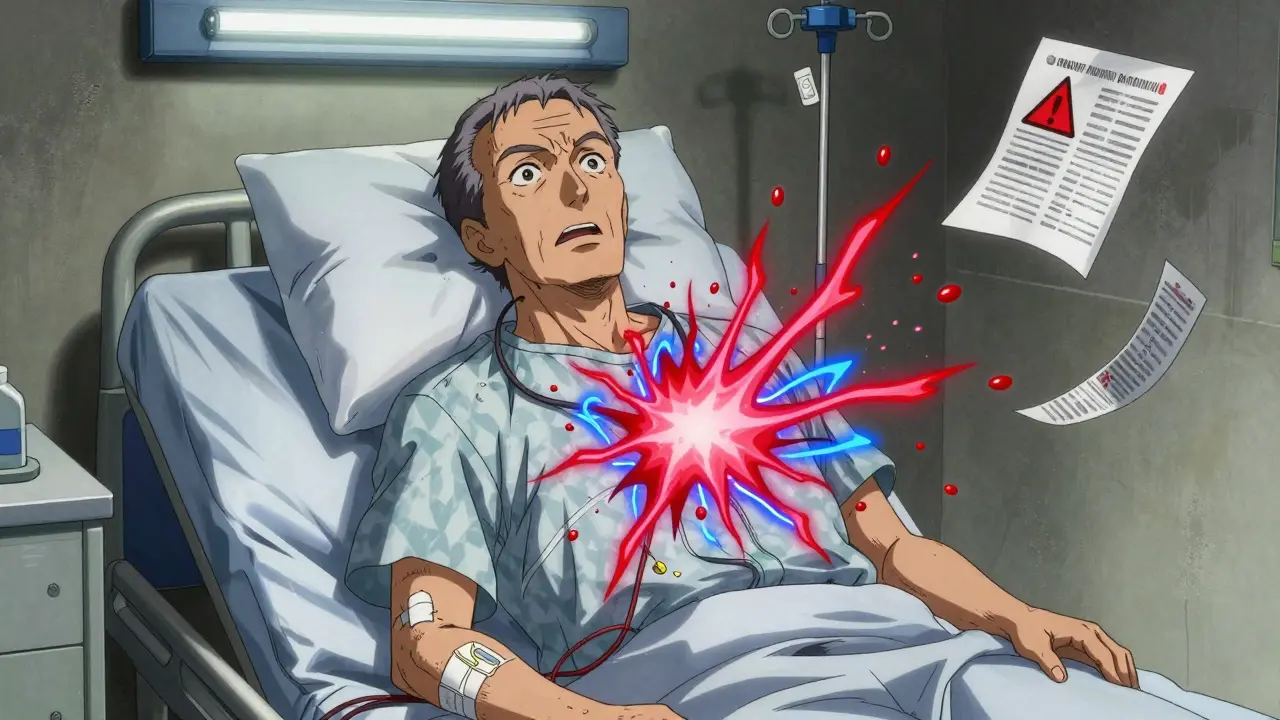
Every year, millions of Americans take vitamins, herbs, or protein powders without thinking twice-until something goes wrong. A 68-year-old man on blood thinners starts taking ginkgo biloba for memory, then ends up in the ER with uncontrolled bleeding. A woman on antidepressants adds St. John’s wort for mood support, only to suffer sudden seizures. These aren’t rare accidents. They’re predictable outcomes of a system that lets supplements fly under the radar-no safety reviews, no interaction warnings, and no requirement to tell your doctor what you’re taking.
Why Supplements Aren’t Treated Like Medicine
In 1994, Congress passed the Dietary Supplement Health and Education Act (DSHEA). Under this law, supplements are classified as food, not drugs. That means companies don’t need to prove their products are safe or effective before selling them. The FDA can only act after harm is done-after someone gets sick, after a hospital visit, after a death. By then, thousands may have already taken the same product. Compare that to prescription drugs. Before a new pill hits the shelf, it goes through years of testing, clinical trials, and FDA review. Drug-drug interactions are mapped out in detail. Supplements? Only 0.5% have any formal interaction studies published in peer-reviewed journals. That’s not a gap-it’s a canyon.The Real Risks: What Supplements Actually Do to Medications
Not all supplements are dangerous. But some are. And the ones that are? They don’t just cause mild side effects-they can turn life-saving drugs into useless ones-or turn safe doses into deadly ones. St. John’s wort is the most dangerous offender. It triggers enzymes in your liver that break down medications too fast. Take it with cyclosporine (used after organ transplants), and drug levels drop by 57%. With warfarin, it can make your blood clot faster, increasing stroke risk. With antidepressants, it can trigger serotonin syndrome-a potentially fatal surge in brain chemicals. One case report showed a patient’s carbamazepine levels plummeting by more than half after starting St. John’s wort, leading to breakthrough seizures. Ginkgo biloba is another big red flag. It thins the blood. When taken with warfarin, aspirin, or even NSAIDs like ibuprofen, it can push INR levels from a safe 2.5 to over 6.5. That’s a 160% increase in bleeding risk. There are documented cases of brain bleeds and internal hemorrhages linked to this combo. Vitamin K is tricky. It’s in leafy greens and some supplements. If you’re on warfarin, vitamin K directly counteracts the drug’s effect. A sudden increase-like switching from spinach salad to kale smoothies every day-can make your blood clot dangerously. Doctors have to adjust your warfarin dose every time your diet changes. Supplements make it worse. Magnesium in antacids like Tums or milk of magnesia can bind to antibiotics like ciprofloxacin or levofloxacin, blocking up to 90% of absorption. You take the pill, your body doesn’t absorb it, and the infection keeps spreading. Calcium supplements interfere with thyroid medication. Levothyroxine, taken daily by millions for hypothyroidism, can lose up to half its effectiveness if taken within four hours of calcium. That means fatigue, weight gain, and depression return-even if you’re taking your pill “correctly.”Who’s at Highest Risk?
You might think this only affects older people. But the data shows it’s about volume, not age. Adults over 60 are the most vulnerable-not because they’re frail, but because they take the most medications. On average, they’re on four to five prescriptions. Add three supplements? That’s seven different chemicals interacting in the body, often without anyone checking. But it’s not just seniors. People with chronic conditions-heart disease, epilepsy, cancer, autoimmune disorders-are at serious risk. Someone on immunosuppressants after a transplant can’t afford even a small drop in drug levels. A single interaction could mean organ rejection. And here’s the hidden danger: most people don’t tell their doctors. Studies show 43% to 69% of patients never mention their supplements during a medical visit. Why? Because they assume it’s “just a vitamin.” Or because their doctor doesn’t ask.
What You Can Do Right Now
You don’t need to stop taking supplements. But you do need to take control.- Make a list. Write down every pill, powder, capsule, and tea you take daily-even the ones you think are harmless. Include brand names and dosages.
- Bring it to every appointment. Don’t wait for your doctor to ask. Say, “Here’s what I’m taking besides my prescriptions.”
- Ask about interactions. Don’t say, “Is this safe?” Say, “I’m taking [supplement] with [medication]. Is there a known interaction?”
- Check reliable sources. Use the Natural Medicines Database or NIH’s LiverTox. Google results won’t cut it. Many sites push supplements. These are science-based.
- Watch for signs. If you start feeling dizzy, unusually tired, bruising easily, or having mood swings after starting a new supplement, stop it and call your doctor.
Why Labels Lie
Look at your supplement bottle. Does it say, “May interact with blood thinners”? Probably not. In fact, 78% of supplement labels contain zero interaction warnings, even when the science clearly shows risk. Why? Because the FDA doesn’t require it. And manufacturers don’t want to scare customers. Some even hide dangerous ingredients. In 2021, the FDA found red yeast rice supplements containing unlisted lovastatin-a prescription cholesterol drug. People taking it with another cholesterol drug, gemfibrozil, developed rhabdomyolysis, a condition that destroys muscle tissue and can cause kidney failure. The label said “natural.” It didn’t say “potentially deadly.”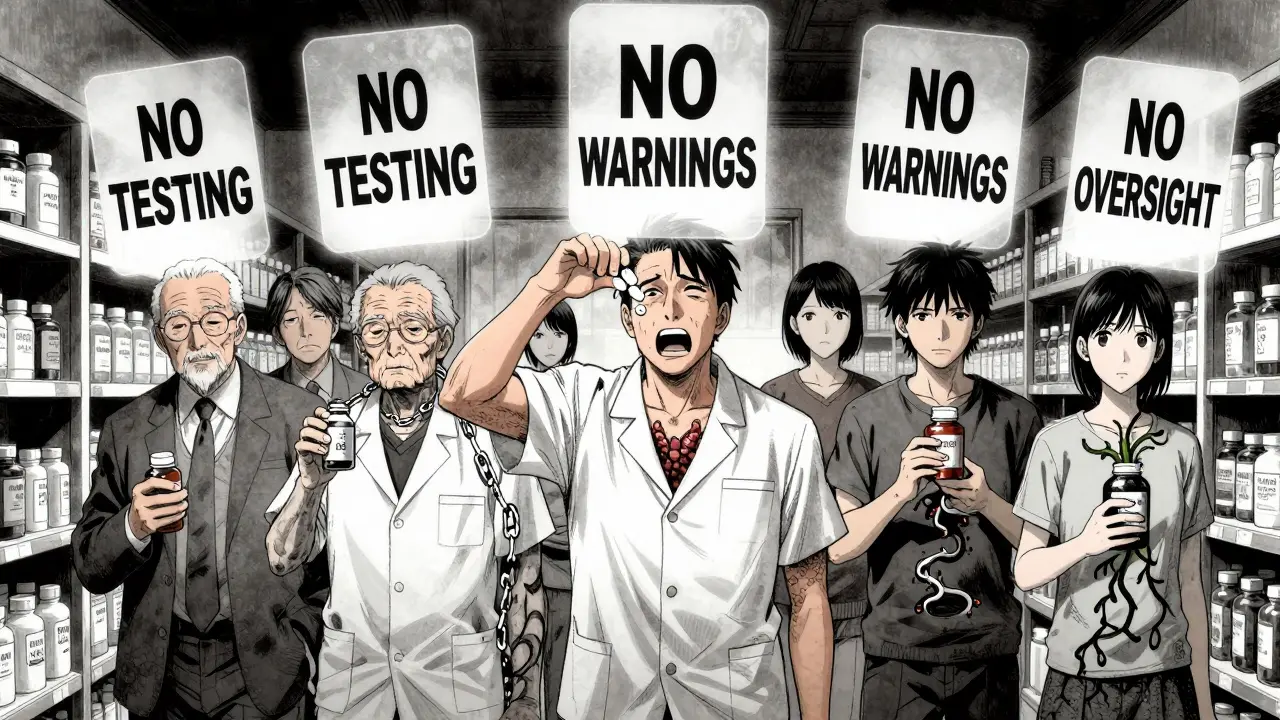
What Needs to Change
The current system is broken. Experts agree: supplements should be held to the same standards as drugs when they make health claims or contain potent ingredients. The FDA has proposed new rules. The 2023 Dietary Supplement Labeling Act (H.R.2409) would require warning labels on high-risk combinations. The NCCIH is investing $15.7 million through 2025 to study interactions-especially in older adults and those with heart disease. But change moves slowly. In the meantime, you’re the last line of defense.When to Stop and Call Your Doctor
Don’t wait for a crisis. If you’re taking any of these medications and considering a supplement, pause first:- Warfarin or other blood thinners
- Antidepressants (SSRIs, SNRIs)
- Immunosuppressants (cyclosporine, tacrolimus)
- Thyroid medication (levothyroxine)
- Seizure drugs (carbamazepine, phenytoin)
- Statins (simvastatin, atorvastatin)
- Chemotherapy drugs
- St. John’s wort
- Ginkgo biloba
- Garlic extract
- Goldenseal
- Green tea extract (high-dose)
- Red yeast rice
- Valerian root
- CBD oil
Bottom Line: You’re the Gatekeeper
Supplements aren’t inherently bad. But they’re not harmless either. The truth is, your doctor doesn’t know what you’re taking. The label on your bottle doesn’t tell you the truth. And the system isn’t designed to protect you. The only thing standing between you and a dangerous interaction is you. Start today. Make your list. Talk to your doctor. Ask the hard questions. Don’t assume. Don’t guess. And don’t let “natural” fool you.Can I take vitamin D with my blood pressure medication?
Yes, vitamin D generally doesn’t interfere with common blood pressure medications like ACE inhibitors, beta-blockers, or calcium channel blockers. However, if you’re taking thiazide diuretics (like hydrochlorothiazide), high doses of vitamin D can raise calcium levels too much, increasing the risk of kidney stones or heart rhythm issues. Stick to the recommended dose (600-800 IU daily) and get your calcium levels checked if you’re on long-term diuretics.
Is it safe to take melatonin with antidepressants?
Melatonin is usually safe with most antidepressants, but it can increase drowsiness when combined with SSRIs or SNRIs. There’s also a small risk of serotonin syndrome with high doses of melatonin and certain antidepressants like fluoxetine or sertraline. Start with the lowest dose (0.5-1 mg) and monitor for unusual drowsiness, confusion, or muscle stiffness. If you’re on multiple psychiatric meds, talk to your prescriber first.
Why do some supplements say “no known interactions”?
That label means the manufacturer hasn’t tested for interactions-not that none exist. Most supplements aren’t required to prove safety or study drug interactions. A “no known interactions” claim is often based on a lack of data, not proof of safety. Always check independent databases like Natural Medicines or NIH’s LiverTox instead of trusting the bottle.
Can herbal supplements affect surgery?
Yes. Many herbs increase bleeding risk (ginkgo, garlic, ginger, ginseng) or interfere with anesthesia (St. John’s wort, valerian). Surgeons typically ask patients to stop all supplements at least two weeks before surgery. Even “mild” herbs like chamomile or echinacea can affect immune response or blood pressure during procedures. Always disclose everything-no matter how harmless it seems.
Are there supplements that are safe for everyone?
There’s no such thing as a supplement that’s universally safe. Even basic vitamins can cause problems in certain situations. For example, high-dose vitamin A can be toxic for people with liver disease. Iron supplements can interfere with thyroid meds and antibiotics. B-complex vitamins can affect blood sugar in diabetics. The safest approach is to only take supplements when there’s a diagnosed deficiency-or when your doctor recommends them based on your health history.
Doreen Pachificus
January 4, 2026 AT 17:28I took ginkgo for a few months last year thinking it would help my focus. Ended up with a nasty bruise on my thigh from just bumping into a door. Didn't connect the dots until I read this. Now I'm paranoid about every pill I swallow.
Charlotte N
January 5, 2026 AT 16:49st john's wort and my antidepressant almost killed me i didn't know until my psychiatrist caught it in my bloodwork i just thought i was getting worse
now i keep a printed list in my wallet and show it to every doctor even the dermatologist
no one asks but i tell them anyway
Catherine HARDY
January 5, 2026 AT 18:38they don't want you to know this but the FDA is in bed with big supplement companies
why do you think they let this loophole exist since 1994
it's not negligence it's intentional
they profit off your ignorance and your bleeding brain
Siobhan Goggin
January 6, 2026 AT 04:29This is such an important post. I wish more people understood that 'natural' doesn't mean 'safe'. I've been telling my mom for years to stop her garlic pills before her heart surgery. She finally listened. Thank you for putting this out there.
Shanna Sung
January 7, 2026 AT 14:24you think this is bad wait until you find out how many supplements contain unlisted pharmaceuticals
the FDA is a joke
they knew about red yeast rice with lovastatin for years and did nothing
they're literally letting people die so corporations can make money
your vitamins are poison and no one wants to admit it
josh plum
January 7, 2026 AT 19:52if you're taking supplements without talking to your doctor you're not just being careless you're being selfish
you think you're helping yourself but you're putting everyone around you at risk
your mom's heart attack your sister's seizure your neighbor's stroke could all be traced back to your stupid 'natural' pills
stop being a walking public health hazard
John Ross
January 8, 2026 AT 13:08the pharmacokinetic interactions here are textbook CYP450 enzyme modulation
St. John’s wort induces CYP3A4 and P-gp, accelerating clearance of cyclosporine, warfarin, and carbamazepine
ginkgo biloba inhibits platelet-activating factor, potentiating anticoagulants
vitamin K antagonizes VKORC1, directly opposing warfarin’s mechanism
these aren't anecdotes-they're well-documented metabolic pathways
the real failure is the regulatory framework that treats phytochemicals like candy
Clint Moser
January 9, 2026 AT 07:11they hide the truth in the fine print
the supplement industry is run by shadowy corporations that bribe politicians
you think your calcium pill is harmless
it's actually designed to make you dependent on more meds
your thyroid med doesn't work because they want you to buy more
they profit from your confusion