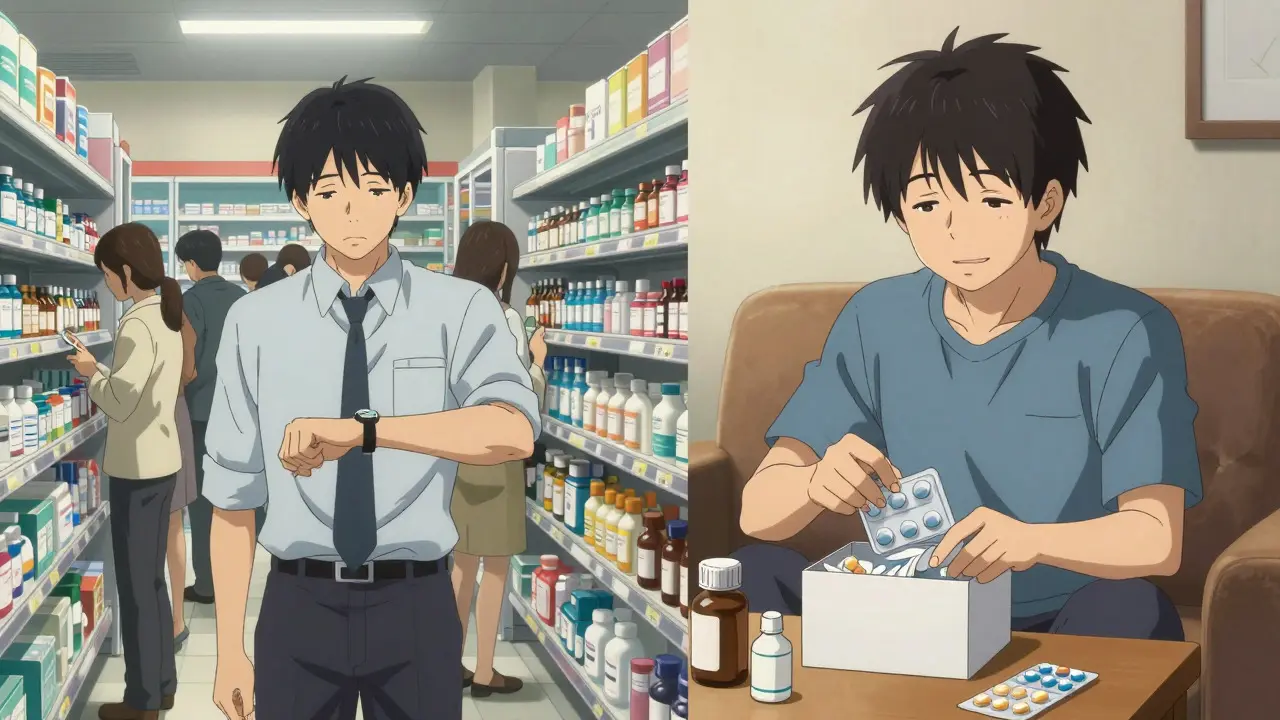
Imagine paying for two months of medication but receiving a three-month supply. That is the core promise of mail-order pharmacy, a service that delivers maintenance drugs directly to your door. For millions of people managing chronic conditions like hypertension or diabetes, this model offers a way to cut costs and skip the pharmacy line. But does it actually save you money in the long run? And are there hidden downsides that could leave you without critical medicine when you need it most?
The short answer is yes, it saves money, but only if you use it correctly. If you treat it like a regular walk-in pharmacy for acute needs, you might face delays and frustration. Let’s break down exactly how these services work, where the savings come from, and who should-and shouldn’t-use them.
How Mail-Order Pharmacies Actually Save You Money
To understand the savings, you first need to look at the math behind the billing structure. Most major health plans, including large providers like Blue Cross NC and Sutter Health Plan, structure their benefits to incentivize mail-order usage for long-term medications. The standard deal is simple: you pay the copay for a 60-day supply, but you receive a 90-day supply.
Let’s put some real numbers on that. If your monthly copay for a blood pressure medication is $10 at a local retail pharmacy, you spend $30 every three months. With a mail-order service, you pay $20 (the cost of two months) and get enough pills for three months. That looks like a small difference, right? But scale that up. If you take three different maintenance medications, each with a $10 monthly copay, your annual savings jump to roughly $120. For patients on complex regimens with five or more daily meds, those savings can easily exceed $500 per year.
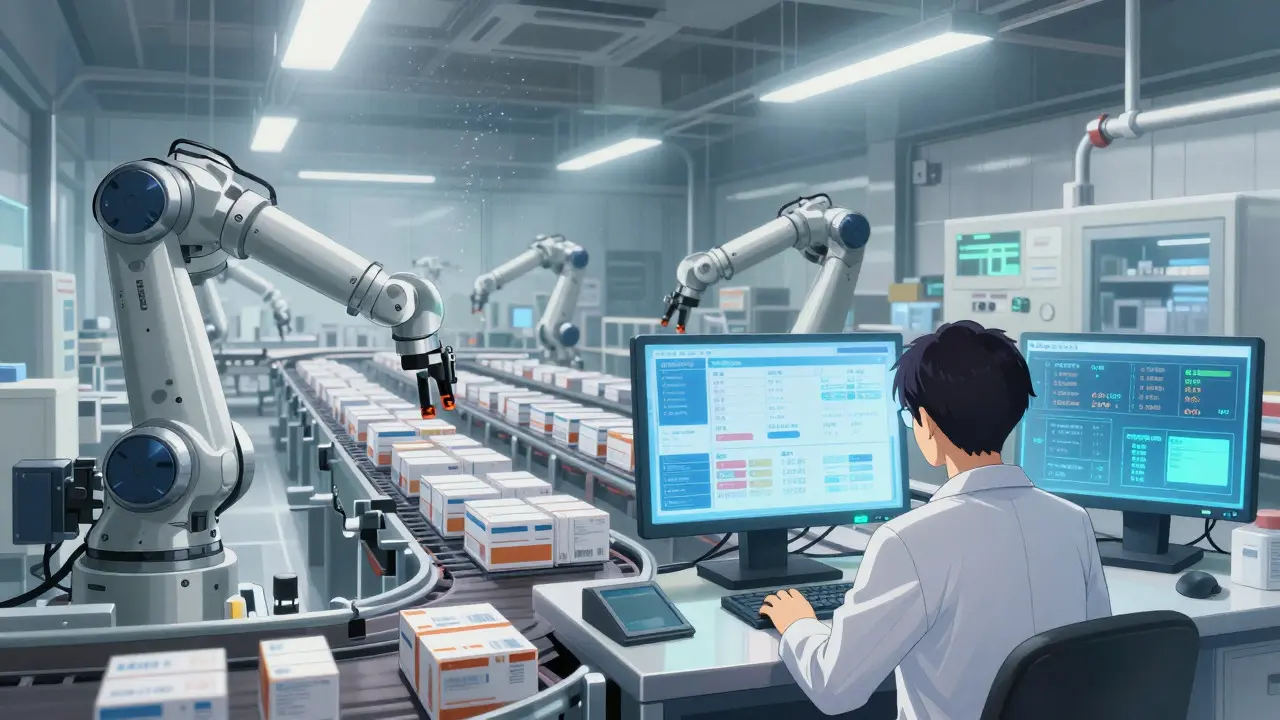
This isn't just about lower copays. It’s also about operational efficiency. Mail-order pharmacies operate massive fulfillment centers equipped with automated dispensing systems. According to data from the Academy of Managed Care Pharmacy (AMCP), these centers achieve dispensing error rates of just 0.016%, compared to 0.04% at typical retail locations. Because they handle fewer individual transactions per patient and process bulk orders, they pass some of those logistical efficiencies back to the insurer and, indirectly, to you through better negotiated drug prices. The Pharmaceutical Care Management Association (PCMA) notes that mail-order pharmacies often secure median discounts on brand-name drugs that are 4-7 percentage points better than what retail pharmacies offer.
The Convenience Factor: More Than Just Delivery
Cost is one thing, but convenience is often the bigger driver for adoption. Think about the last time you went to a local pharmacy. You likely waited in line, dealt with insurance glitches, and had to remember to refill before you ran out. Mail-order services remove almost all of that friction.
Most users set up automatic refills. Once you transfer your prescriptions, the system tracks your usage. When you’re about to run low, the next 90-day supply ships automatically. You don’t have to think about it. This synchronization is huge for people taking multiple medications. Instead of having different refill dates for your cholesterol, thyroid, and heart meds, the mail-order pharmacy aligns them so everything arrives in one package.
For specific groups, this convenience is life-changing. Consider someone living in a rural area, often called a "pharmacy desert," where the nearest store is an hour away. Or consider an elderly person with mobility issues who finds driving to the store exhausting. For these individuals, the value of mail-order extends far beyond the dollar amount saved. It provides peace of mind and physical relief.
| Feature | Mail-Order Pharmacy | Retail Pharmacy |
|---|---|---|
| Supply Duration | 90-100 days | 30 days (typically) |
| Cost Share | Pay for 2 months, get 3 | Pay for 1 month, get 1 |
| Error Rate | 0.016% | 0.04% |
| Delivery Time | 5-7 business days | Immediate pickup |
| Best For | Maintenance/Chronic meds | Acute/Urgent meds |
The Hidden Downsides: When Mail-Order Fails You
No system is perfect, and mail-order pharmacies have significant blind spots. The biggest issue is timing. These services are designed for stability, not emergencies. If you wake up with a fever and need antibiotics, or if you sprain your ankle and need painkillers immediately, mail-order is useless. As noted by GoodRx, these services are "not ideal for acute medications that you need filled quickly." You cannot walk into a mail-order pharmacy; you have to wait 5-7 business days for delivery.
Then there’s the risk of logistics failures. While rare, packages do go missing or get damaged. Industry data cited in UnitedHealth Group’s 2025 report suggests that approximately 0.5% of shipments experience delivery issues. Imagine losing your insulin shipment during a heatwave because the carrier left it on a porch. Or worse, having your package lost in transit entirely. One user on Reddit’s r/healthinsurance forum shared a frustrating story: "Had my blood pressure meds lost in transit once - had to pay out of pocket for an emergency refill at Walgreens." That unexpected expense can wipe out any monthly savings you were enjoying.
Another downside is the lack of personal connection. At a local pharmacy, you might know the pharmacist by name. You can ask quick questions about side effects or interactions face-to-face. With mail-order, communication happens via phone calls, chats, or portals. While many services offer 24/7 pharmacist availability, the interaction feels more transactional and less supportive. If you have complex health questions, you might find yourself waiting on hold rather than getting immediate advice.
Who Should Use Mail-Order Pharmacies?
Not everyone benefits equally from this model. To decide if it’s right for you, look at your medication profile. Mail-order shines for patients with chronic, stable conditions. If you take the same dose of the same medication every day for years, you are the ideal candidate. Studies published in PubMed Central show that mail-order users have 5-15% better adherence to cardiometabolic medications. Why? Because the automatic refills prevent gaps in coverage. You simply never run out.
However, if your medication regimen changes frequently-if your doctor adjusts doses every few weeks or tries new drugs-you will struggle with mail-order. Transferring prescriptions back and forth between mail-order and retail creates confusion and potential errors. In these cases, sticking with a local pharmacy allows for faster adjustments and easier communication with your healthcare provider.
Also, consider your travel habits. If you travel frequently, relying solely on mail-order can be risky. What if your package arrives while you’re on vacation? What if you forget to order before a trip? Many savvy users keep a small "emergency stash" of medication at home or carry a partial supply when traveling, just in case.

How to Get Started and Avoid Pitfalls
Setting up a mail-order pharmacy account is generally straightforward. Most health plans include this benefit automatically. You usually start by logging into your insurer’s portal or calling the customer service number on your card. From there, you’ll select which prescriptions to transfer. The process typically takes about 15 minutes for new users, according to Blue Cross NC data.
Here are some practical tips to ensure a smooth experience:
- Transfer gradually: Don’t move all your prescriptions at once if you’re unsure. Start with one or two non-critical maintenance meds to test the service.
- Check your plan details: Confirm that your specific plan offers the "pay for 2, get 3" benefit. Some plans may have different structures or exclude certain drug classes.
- Set up alerts: Enable email or text notifications for shipping updates. This helps you track deliveries and catch any delays early.
- Keep a backup: Always keep a few extra days’ worth of medication at home. Treat it like a fire extinguisher-you hope you never need it, but you’ll be glad it’s there.
- Verify address changes: Update your mailing address with the pharmacy immediately if you move. A delayed update can lead to missed deliveries.
If you encounter issues, such as a late delivery or a wrong medication, contact the pharmacy benefit manager’s support line immediately. Major providers like Express Scripts and CVS Caremark have dedicated teams for mail-order disputes. Document every interaction, including dates and representative names, to protect yourself if reimbursement becomes necessary.
The Future of Prescription Delivery
The landscape of mail-order pharmacy is evolving rapidly. We are seeing increased integration between health insurers and pharmacy benefit managers (PBMs). Companies like Cigna (which owns Express Scripts) and UnitedHealth Group (which operates OptumRx) are expanding their capabilities. New features include real-time GPS tracking for shipments and expanded cold-chain logistics for sensitive biologics. CVS Caremark announced plans in March 2025 to offer same-week delivery for 85% of U.S. addresses, which could significantly reduce the anxiety around waiting times.
However, regulatory winds are shifting. The proposed Lower Drug Costs Now Act includes provisions that could restrict the cost-sharing differentials that make mail-order so cheap. If passed, these changes might reduce patient savings by up to 40%. Despite this, industry analysts project that mail-order utilization will continue to grow, potentially reaching 30-35% of all maintenance medications by 2030. The convenience and safety benefits are too strong to ignore.
Ultimately, mail-order pharmacy is a powerful tool for managing chronic health conditions. It saves money, reduces errors, and improves adherence. But it requires planning and awareness. Use it for your steady, long-term meds, but keep your local pharmacy as a reliable backup for anything urgent. By balancing both, you get the best of both worlds: the savings of automation and the security of immediate access.
Does mail-order pharmacy really save money?
Yes, for most people with chronic conditions. Most health plans charge you the copay for a 60-day supply but send a 90-day supply. This effectively gives you a free month of medication. Over a year, this can save hundreds of dollars, especially if you take multiple daily medications.
What medications are eligible for mail-order?
Mail-order pharmacies primarily handle "maintenance medications"-drugs taken regularly for chronic conditions like high blood pressure, diabetes, cholesterol, and asthma. They are generally not suitable for acute medications like antibiotics, painkillers for injuries, or short-term treatments.
How long does delivery take?
Standard delivery typically takes 5-7 business days. However, some providers are introducing faster options, such as same-week delivery, depending on your location. Always order well in advance to avoid running out of medication.
Is mail-order pharmacy safe?
Yes, very safe. Mail-order pharmacies often have lower dispensing error rates (0.016%) compared to retail pharmacies (0.04%) due to automated systems. They also perform electronic reviews to check for drug interactions across all your prescriptions.
What happens if my package is lost?
While rare (about 0.5% of shipments), packages can be lost. Contact your pharmacy benefit manager immediately. Most will expedite a replacement shipment. Keep records of your calls and any receipts if you have to buy emergency medication elsewhere, as you may be able to get reimbursed.
Can I switch back to a retail pharmacy later?
Yes, you can transfer your prescriptions back to a retail pharmacy at any time. However, be aware that you will lose the cost-saving benefit of the 90-day supply pricing. It’s best to coordinate the transfer timing so you don’t end up with duplicate supplies or gaps in coverage.