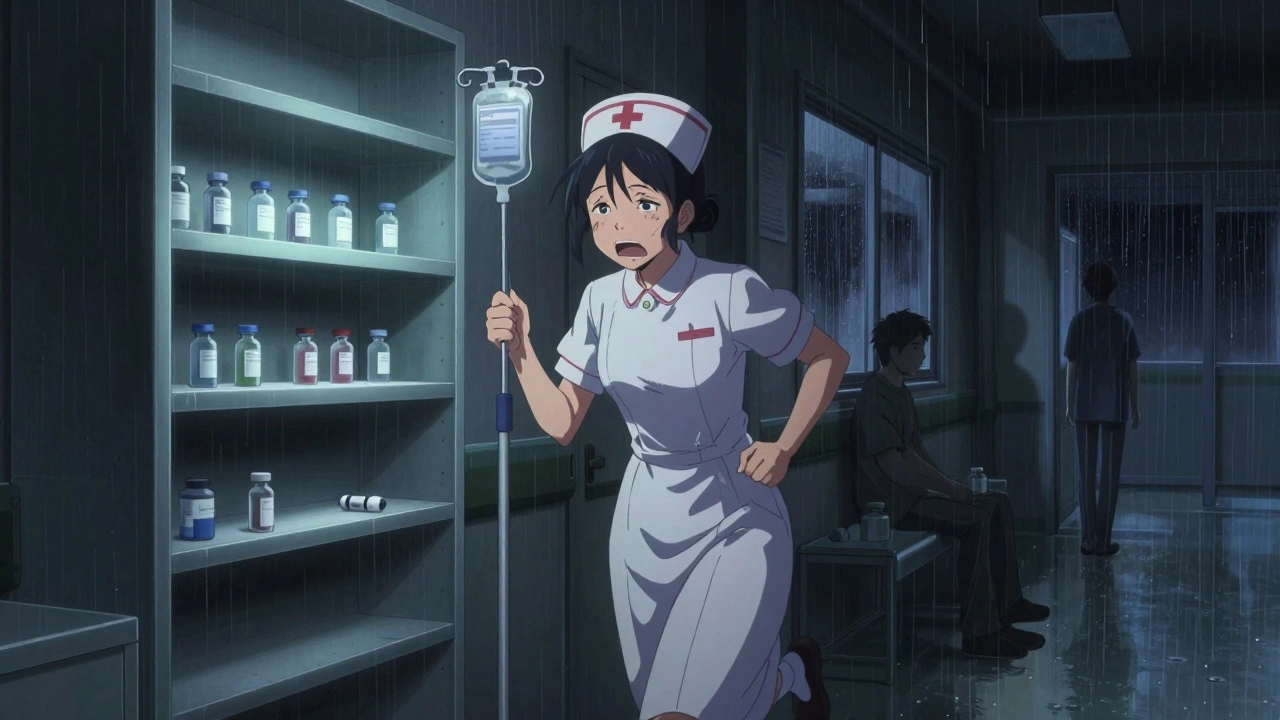
By late 2025, over 287 drugs were in short supply across the U.S., with nearly half of them being life-saving medications for cancer, heart failure, and severe infections. Hospitals are rationing insulin. Emergency rooms are out of antibiotics. Cancer patients are waiting weeks for chemotherapy drugs that used to be on the shelf. This isn’t a temporary glitch - it’s a systemic collapse, and Congress is finally trying to fix it.
Two Bills, One Crisis
In the 119th Congress, two bills have emerged as the most direct attempts to tackle this crisis. The first is the Drug Shortage Prevention Act of 2025 (S.2665), introduced by Senator Amy Klobuchar in August. It doesn’t promise new funding or sweeping reforms. Instead, it demands transparency. Under this bill, pharmaceutical manufacturers would be legally required to notify the FDA the moment they see a spike in demand for critical drugs. That’s it. No vague goals. No vague deadlines. Just a simple rule: tell the government before you run out. Why does this matter? Because right now, manufacturers aren’t required to say anything until after the shortage hits - and by then, it’s too late. Hospitals scramble. Doctors improvise. Patients suffer. The FDA’s Drug Shortage Portal, the main tool used to track these gaps, is already struggling. With the government shutdown in full swing, even that system has degraded. No one’s updating it. No one’s responding to alerts. The bill tries to fix the root problem: silence. The second bill, H.R.1160 - the Health Care Provider Shortage Minimization Act of 2025 - takes a different path. It doesn’t focus on pills. It focuses on people. The bill’s title suggests it’s about fixing the shortage of doctors, nurses, and primary care providers. And it’s needed. Over 122 million Americans live in areas officially labeled as having a shortage of healthcare workers. Rural clinics shut down. Urban ERs are stretched thin. Patients wait months for a routine checkup. But here’s the problem: no one knows what H.R.1160 actually says. The bill’s text hasn’t been made public. No committee has been assigned. No sponsor has explained it in a press release. It’s a ghost bill - named, numbered, but empty.Why the Government Shutdown Is Killing Progress
The 119th Congress opened with a historic problem: the longest government shutdown in U.S. history. It started on October 1, 2025, and by mid-November, it had lasted 44 days. Over 800,000 federal workers were furloughed - including nearly every person at the FDA who monitors drug supplies. No one was reviewing manufacturer notifications. No one was approving new generic drug applications. No one was updating the shortage database. The shutdown didn’t just delay Congress. It paralyzed the very agencies these bills depend on. Even if S.2665 passed tomorrow, it couldn’t be enforced. The FDA doesn’t have the staff to monitor new reporting rules. The bill needs $45 million a year to hire analysts, update software, and train staff. But Congress just passed $9 billion in cuts to foreign aid and public media. No one’s talking about funding healthcare infrastructure. The continuing resolution proposed by Senate Republicans in November extends funding only through January 30, 2026 - and it doesn’t mention drugs or doctors once.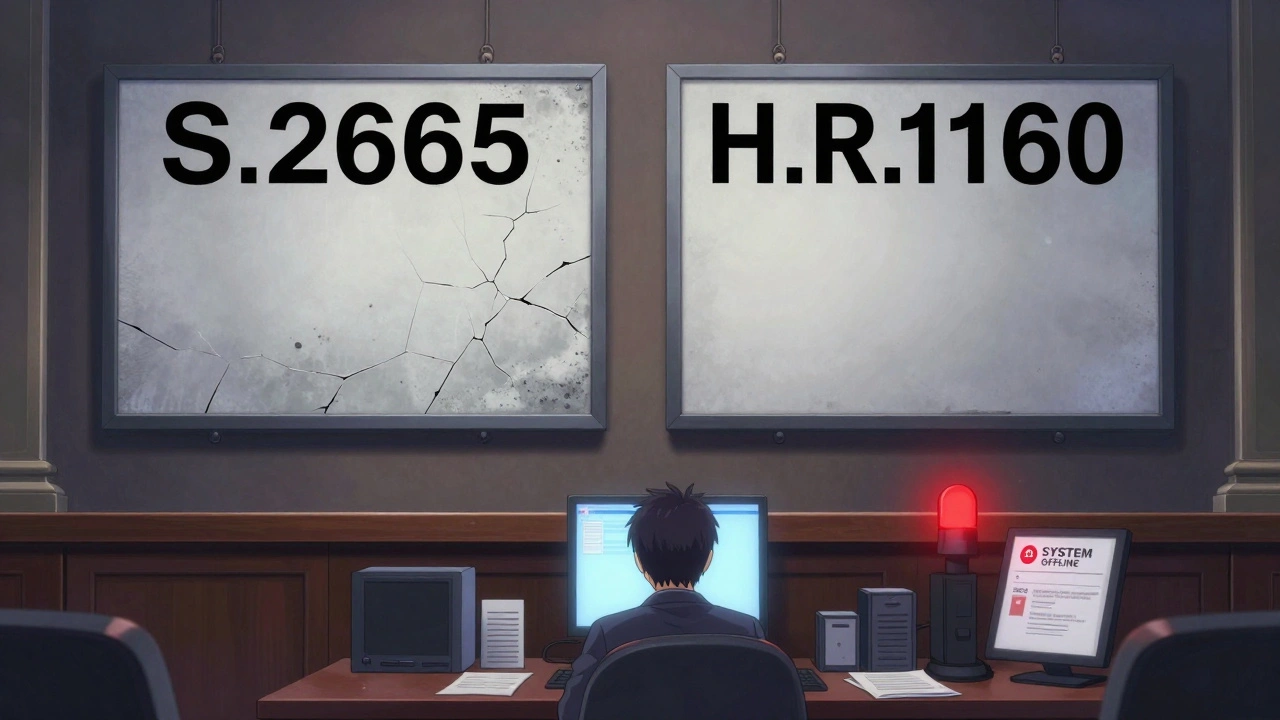
Who’s Affected - And Who’s Silent
The real impact isn’t in congressional records. It’s in hospitals. A survey by the American Hospital Association in October 2025 found that 98% of hospitals experienced at least one critical drug shortage in the third quarter. That’s not a few isolated cases. That’s nearly every hospital in the country. Physicians aren’t just frustrated - they’re scared. A September 2025 survey by the American Medical Association showed that 87% of doctors have had to change a patient’s treatment plan because a drug wasn’t available. And yet, only 12% of them even knew H.R.1160 existed. On Reddit’s r/healthpolicy, users are angry. One post from November 5, 2025, with over 140 upvotes, summed it up: “Congress is fighting over phone records while kids with asthma can’t get their inhalers.” The frustration isn’t just emotional. It’s financial. The Association for Accessible Medicines reported that 63% of current drug shortages are caused by manufacturing delays - often because a single factory in India or China can’t keep up. That’s exactly what S.2665 tries to catch early: a spike in orders, a backlog at the plant, a raw material shortage. But without the FDA monitoring it, those signals disappear.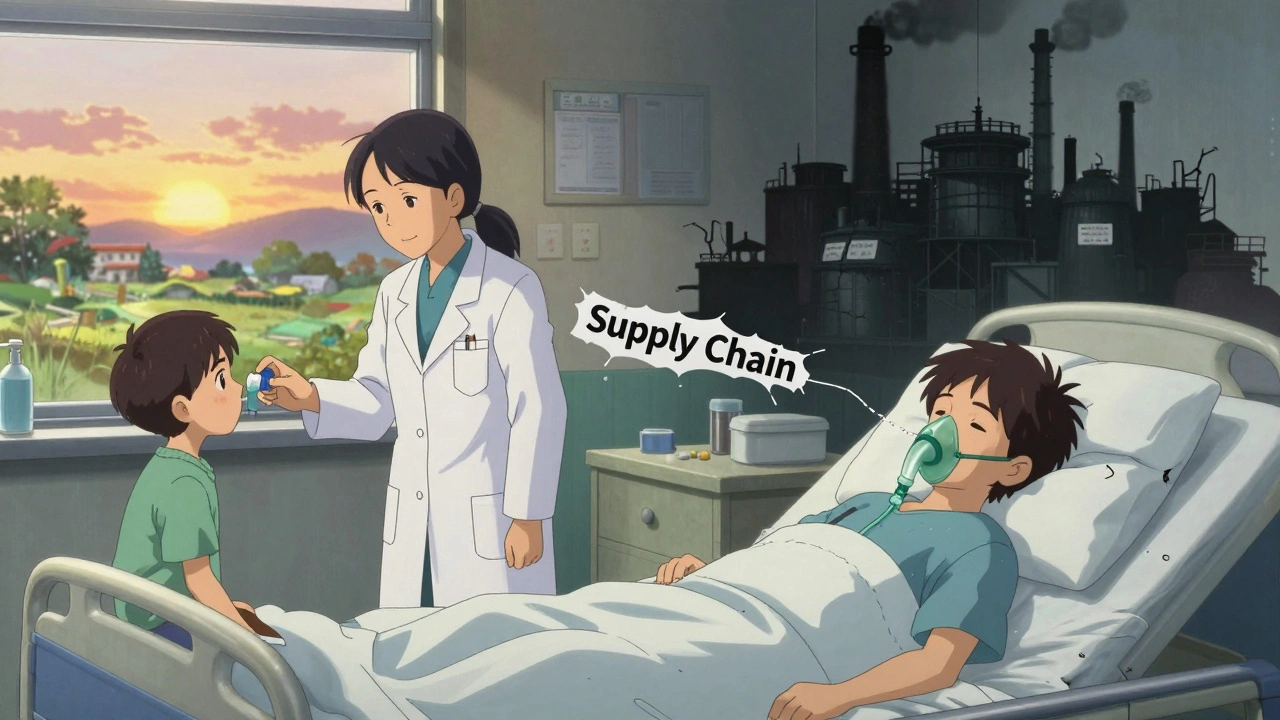

Audrey Crothers
December 11, 2025 AT 22:37Stacy Foster
December 13, 2025 AT 21:50Robert Webb
December 14, 2025 AT 10:13Rob Purvis
December 15, 2025 AT 07:43Laura Weemering
December 17, 2025 AT 01:18Levi Cooper
December 18, 2025 AT 01:34Nathan Fatal
December 18, 2025 AT 04:42wendy b
December 20, 2025 AT 00:32Donna Anderson
December 20, 2025 AT 08:23sandeep sanigarapu
December 21, 2025 AT 08:01Ashley Skipp
December 22, 2025 AT 05:42