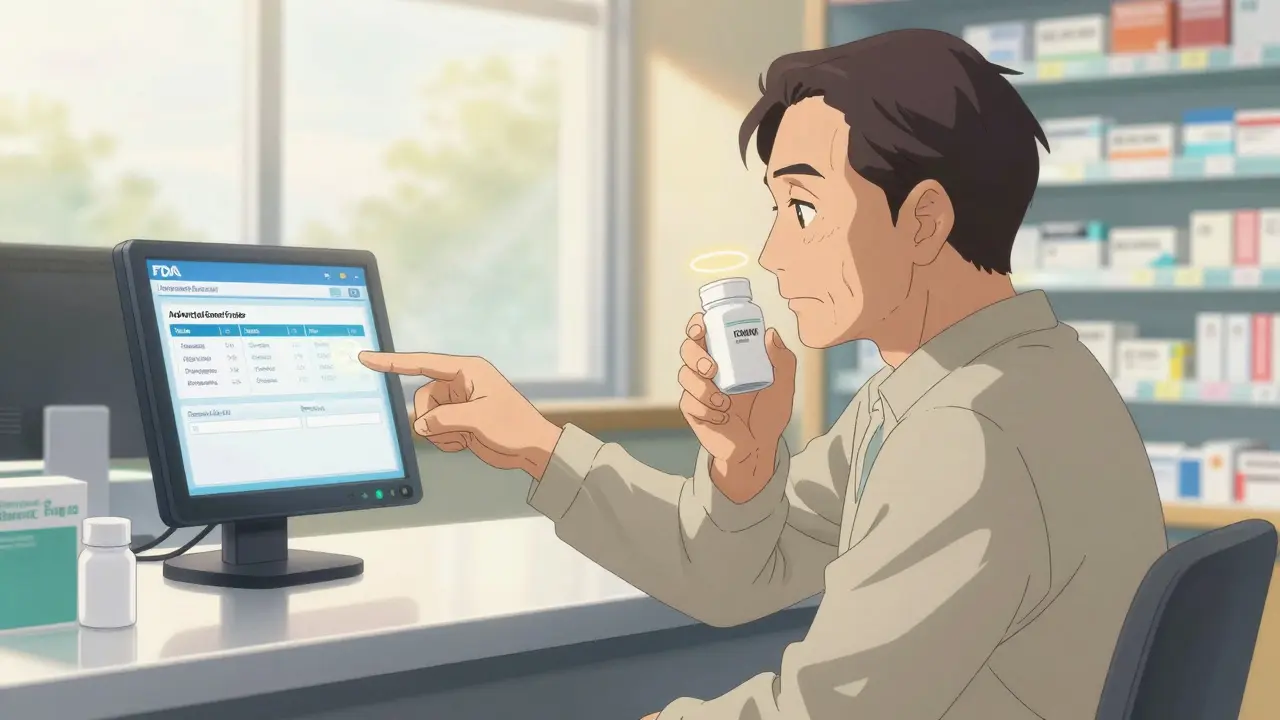
You’ve been taking the same prescription for years. You know the color, the shape, and even the slight taste of it. Then your insurance changes, or the patent on that drug expires, and suddenly you’re handed a pill in a different bottle with a lower copay. It looks slightly different. Maybe the logo is gone. Is it still safe? Is it effective? And more importantly, do you actually have a choice in this matter?
This is where authorized generics come into play. They are a confusing middle ground between expensive brand-name drugs and traditional low-cost generics. But here’s the twist: most patients don’t actively choose them. The decision is often made for you by insurance algorithms, pharmacy benefit managers (PBMs), and hospital formularies. So, do people really choose authorized generics? The short answer is no-not directly. But their indirect preferences, driven by cost sensitivity and fear of side effects, heavily influence which pills end up in your hand.
What Exactly Is an Authorized Generic?
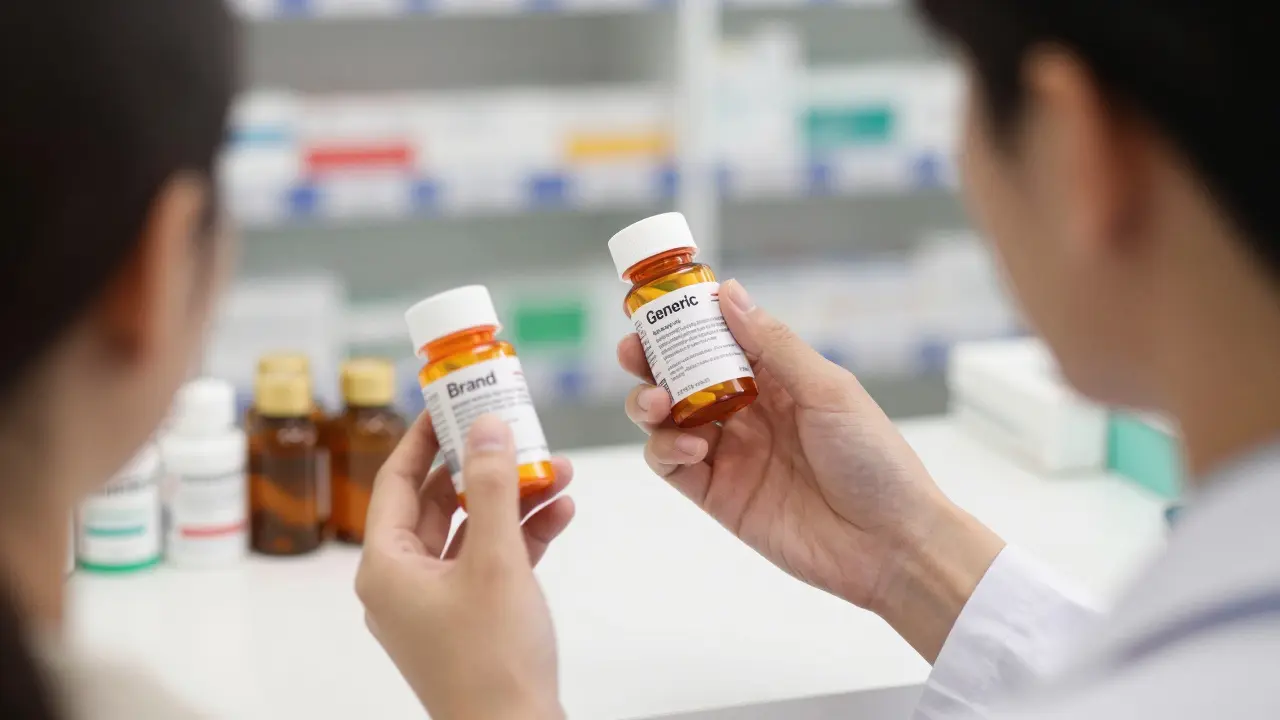
To understand why patients react the way they do, we first need to strip away the marketing jargon. An authorized generic is chemically identical to the brand-name drug. It comes from the exact same manufacturer, uses the same active ingredients, and often uses the same inactive ingredients (like fillers and dyes). The only difference is the label. The brand name is removed, and it is sold under a generic moniker.
Unlike traditional generics, which must go through a rigorous Abbreviated New Drug Application (ANDA) process to prove they are bioequivalent to the brand, authorized generics ride under the brand’s existing New Drug Application (NDA). This means they bypass much of the regulatory red tape. According to the Federal Trade Commission’s 2011 report, these products have been around since at least 2001, but they have become a strategic tool for big pharma companies like Pfizer, Merck, and AbbVie to maintain market share after patents expire.
Think of it this way: if a brand-name drug is a luxury car, a traditional generic is a reliable economy car built by a different factory. An authorized generic is that same luxury car, but the dealership has taken off the chrome emblem and lowered the price tag. For many patients, this distinction matters less than the bottom line, but for others, the psychological comfort of knowing it’s the "real" thing plays a huge role.
The Illusion of Choice: Who Really Decides?
If you walk into a pharmacy and ask for your medication, you rarely get to browse the shelf like you would in a grocery store. Your choice is pre-filtered by your health plan. A 2022 analysis by the Kaiser Family Foundation (KFF) found that 82% of commercial insurance plans automatically substitute generics-both authorized and traditional-for brand-name drugs when available. Only 12% of plans allow patients or doctors to request the brand without jumping through hoops like prior authorizations.
This creates a scenario where patient preference is secondary to formulary design. Pharmacy Benefit Managers (PBMs) negotiate rebates with manufacturers. If an authorized generic offers a better rebate structure than a traditional generic during the initial 180-day exclusivity period, the PBM will steer patients toward it. You might think you chose the cheaper option, but the system was designed to lead you there.
However, there is a nuance. Some patients are "brand loyal." They refuse to switch due to past bad experiences with traditional generics. In these cases, physicians may write "Dispense as Written" (DAW) codes on prescriptions. Interestingly, authorized generics sometimes satisfy these patients because the formulation is identical to the brand they trust, even if the label isn't. This subtle acceptance is a key driver in their market success.
Why Patients Stick With Authorized Generics
When patients do have a say, or when the system defaults to an authorized generic, retention rates are surprisingly high. Why? Because of the "switchback" rate. A switchback happens when a patient tries a generic and then demands to go back to the brand-name drug, usually citing side effects or perceived inefficacy.
A landmark 2018 study published in the BMJ, sponsored by the FDA, tracked 210,000 patients. The results were telling. When patients switched from a brand-name drug to an authorized generic, the switchback rate was 22.3%. When they switched to a traditional generic, the rate jumped to 28.7%. That’s a statistically significant difference.
What does this tell us? It suggests that patients perceive authorized generics as closer to the original brand. Since authorized generics use the same inactive ingredients (binders, coatings, dyes), they avoid the minor variations that can cause digestive upset or allergic reactions in sensitive individuals. For a patient who has struggled with nausea on a traditional generic, the authorized version feels like a safe haven-it’s the "same" drug, just cheaper.

The Price Factor: Does Cost Drive Preference?
Let’s talk money. One of the biggest drivers of patient behavior is out-of-pocket cost. Authorized generics typically reduce retail prices by 4-8% and wholesale prices by 7-14% compared to markets without them, according to FTC data. More recent case studies, such as one on entacapone in 2022, showed price reductions of up to 18.2% in on-invoice prices.
But here is the catch: authorized generics are not always the cheapest option forever. They are most aggressive in pricing during the first 180 days of generic competition-a window known as exclusivity. Once that period ends, traditional generics flood the market and drive prices down further, often 15-25% lower than authorized generics.
So, do patients prefer authorized generics because of price? Initially, yes. They offer a immediate discount off the brand price. But over time, as traditional generics become significantly cheaper, cost-conscious patients (and insurers) shift away from authorized generics. Data from AmerisourceBergen shows that after the exclusivity period, traditional generics capture 65-75% of the market share simply because they are cheaper. Patient preference follows the wallet, but only after the initial novelty wears off.
| Feature | Brand-Name Drug | Authorized Generic | Traditional Generic |
|---|---|---|---|
| Manufacturer | Original Brand Company | Original Brand Company | Third-Party Competitor |
| Active Ingredients | Identical to itself | Identical to Brand | Bioequivalent to Brand |
| Inactive Ingredients | Proprietary Formula | Identical to Brand | May Differ (Fillers/Dyes) |
| Regulatory Pathway | New Drug Application (NDA) | Rides on Brand's NDA | Abbreviated New Drug Application (ANDA) |
| Patient Switchback Rate | N/A | ~22.3% | ~28.7% |
| Long-Term Price | Highest | Moderate (Drops after 180 days) | Lowest |
The Psychological Barrier: Trust and Transparency
There is a hidden friction point in the authorized generic model: confusion. Many patients don’t know what an authorized generic is. They see a familiar manufacturer name on the box but a different product name. Or worse, they see a completely new name and assume it’s a lesser-quality knockoff.
A Consumer Reports survey in 2022 highlighted this disconnect. When shown unlabeled samples, 78% of respondents couldn’t distinguish between an authorized generic and the brand-name drug. However, when labels were present, trust fluctuated. On online forums like Reddit’s r/pharmacy community, discussions reveal that while 63% of users reported no difference in efficacy, a significant portion expressed anxiety about "hidden" changes.
Pharmacists play a critical role here. The American Pharmacists Association’s 2022 guidelines note that pharmacists often have to provide extra counseling to explain that the authorized generic is, in fact, the same drug. If this communication fails, patient adherence drops. The lack of transparency in labeling-where the connection to the brand isn't always obvious-can erode trust. Patients want simplicity. They want to know they are getting the best value without compromising quality. Authorized generics deliver on quality but sometimes fail on clarity.
Are Authorized Generics Good for Patients?
From a pure clinical standpoint, yes. They provide access to the exact formulation of a brand-name drug at a lower cost. For patients who are sensitive to inactive ingredients, they are a lifeline. The 2018 FDA-sponsored study confirmed that safety profiles remain consistent because the manufacturing process doesn't change.
However, the broader economic picture is mixed. Critics, including the FTC, argue that brand companies use the *threat* of launching an authorized generic to delay true competition. By offering a cheap alternative themselves, they reduce the incentive for third-party generic makers to invest in the costly ANDA process. This can keep prices higher in the long run than if robust generic competition had occurred immediately.
For the individual patient, though, the macroeconomic debate is less relevant than their immediate needs. If an authorized generic keeps their monthly bill down and works just as well as the brand, it is a preferred option. The issue arises when patients feel manipulated by a system that prioritizes manufacturer profits over transparent choice.
How to Navigate Your Prescription Choices
Since you likely won’t be choosing between these options at the pharmacy counter, how can you advocate for yourself? Here are practical steps:
- Ask Your Pharmacist: Before picking up a new generic, ask, "Is this an authorized generic or a traditional one?" Pharmacists can check the National Drug Code (NDC) or the FDA Orange Book to tell you the manufacturer.
- Review Your Formulary: Log into your insurance portal. Look at the tier status of your medication. Sometimes, switching to a traditional generic (if available) saves more money than an authorized generic.
- Monitor Side Effects: If you switch to any generic and experience new symptoms, don’t ignore them. Contact your doctor. While rare, differences in inactive ingredients in traditional generics can affect absorption or tolerance.
- Request "Dispense as Written":** If you have a documented intolerance to traditional generics, ask your doctor to specify that you need the brand or an authorized generic. Be prepared for potential prior authorization hurdles.
In the end, patient preference for authorized generics is passive rather than active. We prefer them when they are presented as a safe, cost-effective bridge between brand loyalty and budget constraints. But until the system becomes more transparent about what’s in the bottle, we remain passengers in our own healthcare decisions.
Are authorized generics exactly the same as brand-name drugs?
Yes. Authorized generics contain the same active and inactive ingredients as the brand-name drug and are manufactured by the same company using the same facilities and processes. The only difference is the packaging and label; the brand name is removed.
Can my pharmacist give me an authorized generic instead of a traditional one?
Usually, the choice is determined by your insurance plan and pharmacy benefit manager (PBM). Most pharmacies automate dispensing based on the lowest-cost option allowed by your formulary. If you specifically want an authorized generic, you must discuss this with your pharmacist and doctor, but availability depends on supply chain contracts.
Why are authorized generics cheaper than brand names but more expensive than traditional generics?
Authorized generics are cheaper than brands because the manufacturer avoids some marketing costs and aims to compete with incoming generics. However, they are often more expensive than traditional generics in the long term because traditional generics face full market competition among multiple manufacturers, driving prices down further after the initial 180-day exclusivity period.
Do authorized generics have fewer side effects than traditional generics?
They may result in fewer reported side effects for some patients because they use the same inactive ingredients (fillers, dyes) as the brand-name drug. Traditional generics must be bioequivalent but can use different inactive ingredients, which can occasionally cause sensitivities or digestive issues in certain individuals.
How can I tell if my prescription is an authorized generic?
It can be difficult to tell just by looking at the bottle. Check the manufacturer name on the label. If it matches the brand-name manufacturer (e.g., Pfizer, Merck), it is likely an authorized generic. You can also ask your pharmacist to check the FDA Orange Book or the National Drug Code (NDC) to confirm the origin of the product.