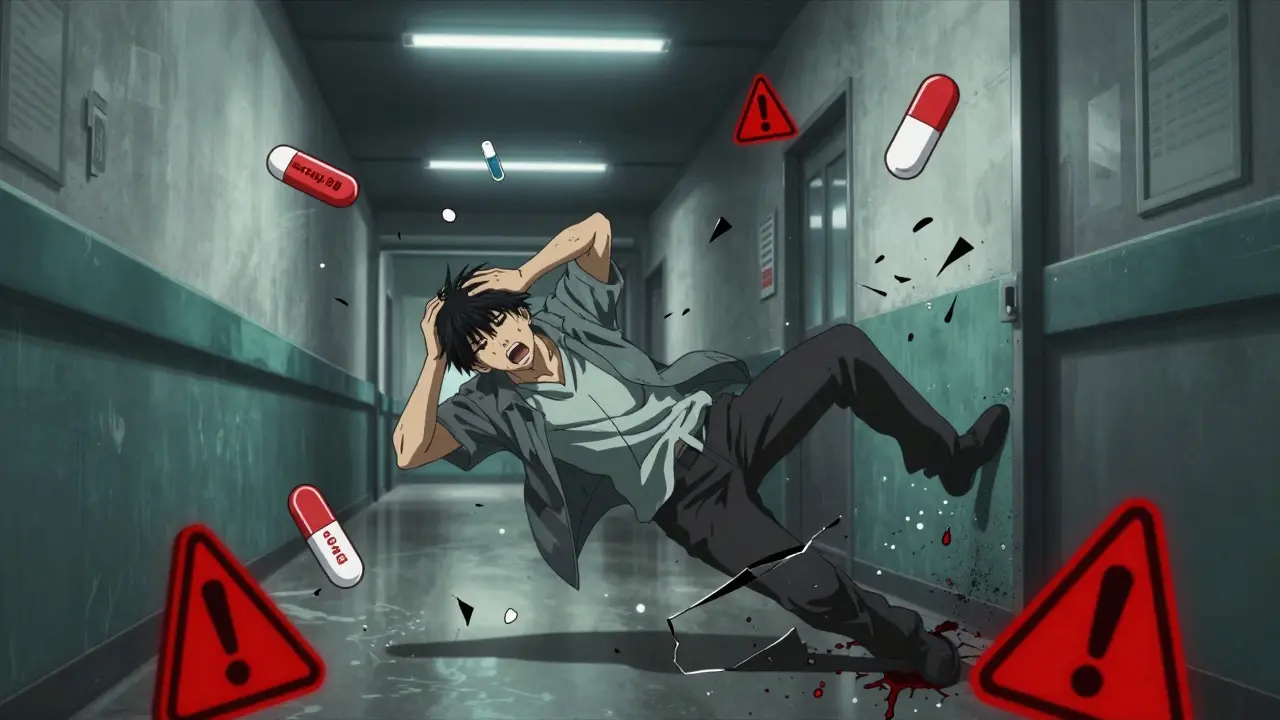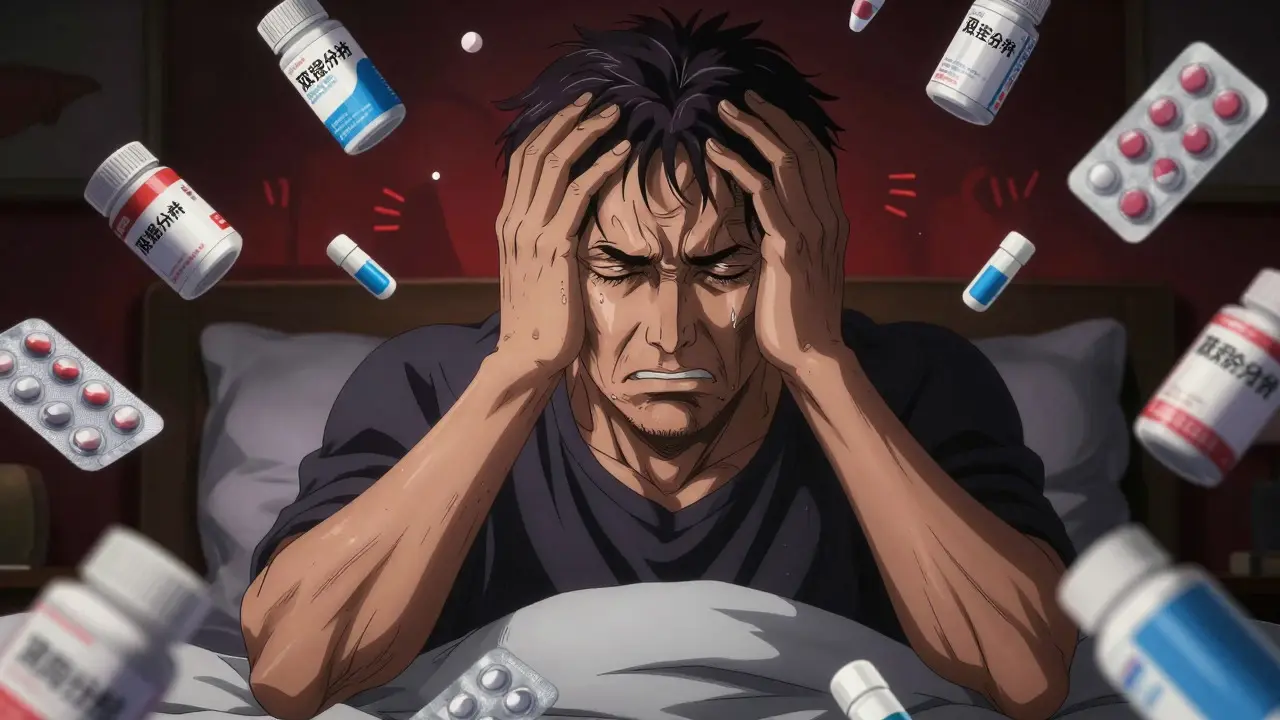
Imagine this: you have a nagging headache, so you pop a prescription painkiller your doctor prescribed. Later that day, you catch a cold and take an over-the-counter (OTC) flu remedy to help you sleep. You feel fine-until you don’t. Suddenly, you’re dizzy, nauseous, or worse, rushing to the emergency room with liver damage. This isn’t a rare horror story; it’s a common scenario known as taking double ingredients.
When we juggle multiple medications, especially as we age or manage chronic conditions, it becomes incredibly easy to accidentally overdose on a single active ingredient without realizing it. The danger lies in the fact that different brand names can hide the exact same chemical compound. One pill might be called 'Tylenol,' another 'Vicodin,' and a third 'DayQuil.' They look different, treat different symptoms, but they often share the same core ingredient: acetaminophen. Taking them together doesn’t just double the relief; it doubles the risk.
The Hidden Danger of Polypharmacy
To understand why double ingredients are such a big deal, we first need to talk about polypharmacy, which is the regular concurrent use of five or more medications. According to the American Geriatrics Society, this affects roughly 40% of older adults in the United States. It’s not just about having many pills; it’s about the complexity of managing them.
The problem has gotten worse over time. Since 2010, rates of multimorbidity (having two or more chronic diseases) have jumped by 27%. Yet, clinical guidelines still mostly focus on treating one disease at a time. This disconnect creates a perfect storm for errors. When you see a cardiologist, a dermatologist, and a general practitioner, each might prescribe something new without fully knowing what the others are doing-or what you’re buying at the pharmacy aisle yourself.
Double ingredients account for about 17% of all preventable adverse drug events in community-dwelling older adults, according to the National Coordinating Council on Medication Error Reporting and Prevention (NCCMERP). That’s a significant chunk of harm that could be avoided with better awareness. The Centers for Disease Control and Prevention (CDC) notes that adults aged 65 and older make up 65% of hospitalizations linked to these specific errors. Why? Because our bodies metabolize drugs slower as we age, making us more sensitive to even small overdoses.
Common Culprits: What Ingredients Are Hiding?
Not all double ingredient risks are created equal. Some combinations are far more dangerous than others. Let’s break down the most frequent offenders.
- Acetaminophen: This is the biggest culprit. Found in Tylenol, Vicodin, Percocet, NyQuil, and countless store-brand cold medicines. The National Institutes of Health reports 56,000 emergency department visits annually from unintentional acetaminophen overdose. The liver processes this drug, and too much can cause acute liver failure.
- Sedatives and Antihistamines: Prescription sedatives mixed with OTC antihistamines like diphenhydramine (Benadryl) can lead to severe respiratory depression. Dr. Ghada Ashkar, PharmD at UCLA Health, warns that mixing these can be dangerous enough to require hospitalization. Drowsiness isn’t just annoying; it can stop your breathing.
- NSAIDs: Non-steroidal anti-inflammatory drugs like ibuprofen (Advil, Motrin) and naproxen (Aleve) are common. Taking multiple NSAIDs increases the risk of gastrointestinal bleeding and kidney damage. Many people take ibuprofen for joint pain and then add a generic anti-inflammatory cream or another pill, unknowingly stacking the dose.
- Pseudoephedrine: Used for congestion in Sudafed and many multi-symptom cold formulas. A Reddit user shared a story of taking three different products containing pseudoephedrine, leading to severe hypertension requiring emergency care. It raises blood pressure and heart rate significantly when overdosed.
A 2022 FDA review found that 45% of prescription medication labels don’t clearly indicate shared ingredients with OTC products. This lack of transparency makes it hard for patients to spot the overlap themselves.
Why Do These Errors Happen?
It’s rarely because someone is careless. More often, it’s due to systemic gaps and human confusion. Here’s why double ingredient errors slip through the cracks:
- Fragmented Care: If you see multiple doctors, their electronic health records (EHRs) might not talk to each other perfectly. A study in the Journal of the American Geriatrics Society found that 82% of older adults who experienced double ingredient issues had visited multiple providers in the previous six months. Worse, 67% said those providers never asked about OTC medications.
- Brand Name Confusion: Marketing makes pills look distinct. A prescription bottle says 'Norco,' while a box at the store says 'Theraflu.' Unless you read the fine print under 'Active Ingredients,' you won’t know they both contain acetaminophen.
- Undocumented OTC Use: Patients often forget to mention vitamins, supplements, or OTC drugs during appointments. The WHO highlights that 68% of patients don’t disclose traditional or complementary medicine use, creating hidden risks.
- Pharmacy Fragmentation: If you fill prescriptions at one pharmacy and buy OTC meds at another, no single system sees the full picture. Pharmacy-based screening systems detect double ingredient issues with 92% accuracy when you use a single pharmacy, but that drops to just 45% if you split your purchases.
How to Protect Yourself: Actionable Strategies
The good news? Double ingredient errors are highly preventable. In fact, the American Academy of Family Physicians (AAFP) states that 89% of cases could be prevented through proper medication list maintenance. Here’s how to take control.
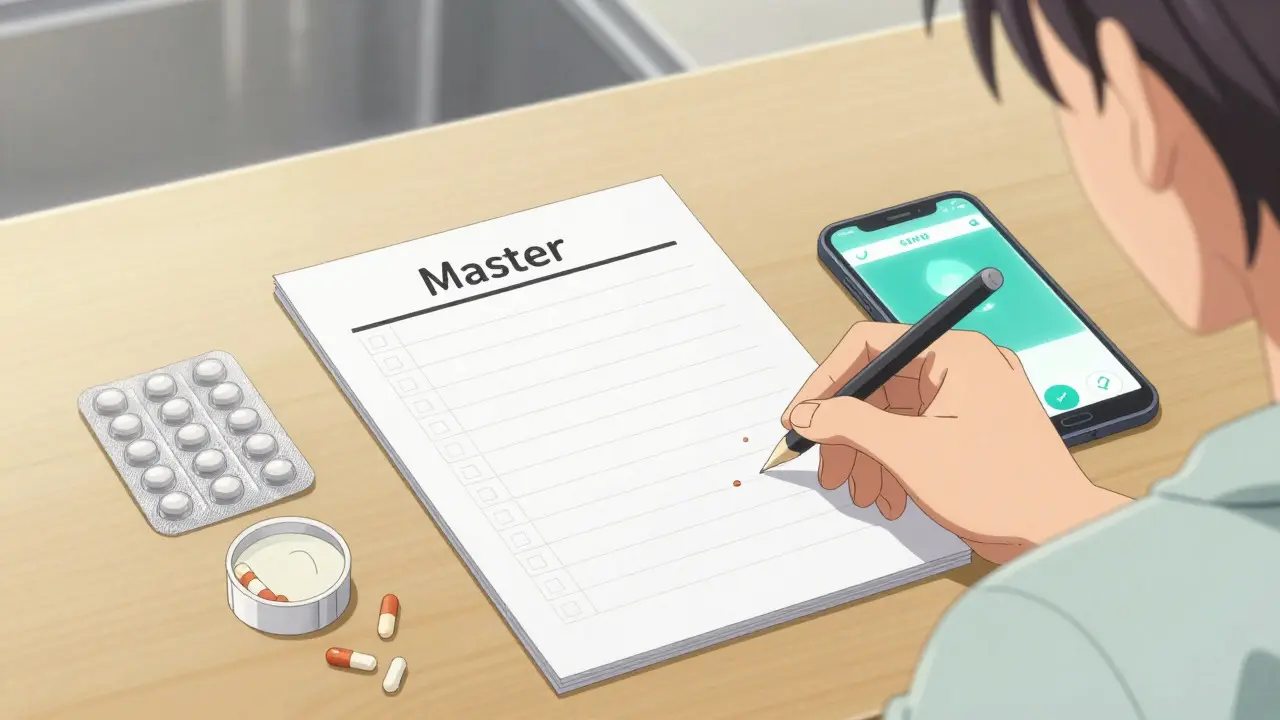
1. Maintain a Master Medication List
This is the single most effective intervention. Dr. Dima Qato, a researcher at the University of Illinois, notes that keeping an updated list reduces errors by 78%. Your list should include:
- All prescription medications
- All OTC medications (painkillers, cold remedies, antacids)
- Vitamins, minerals, and herbal supplements
- Dose and frequency for each
- The name of the prescribing doctor
Keep this list in your wallet and at home. Update it every time you start or stop anything. Show it to every healthcare provider you see, including dentists and specialists.
2. Stick to One Pharmacy
Dr. Ashkar from UCLA Health recommends filling all prescriptions at the same pharmacy. Their software is designed to flag interactions between your current meds and any new ones. This simple habit reduces double ingredient errors by 63%, according to a 2021 JAMA Internal Medicine study. Even if you buy OTC meds elsewhere, let your pharmacist know what you’re taking.
3. Ask Specific Questions
Don’t just ask, 'Is this safe?' Ask specifically: 'Does this contain any ingredients I’m already taking?' Community pharmacists identify potential double ingredient issues in 87% of medication therapy management consultations. They are your best resource for spotting overlaps between prescription and OTC products.
4. Annual Medication Review
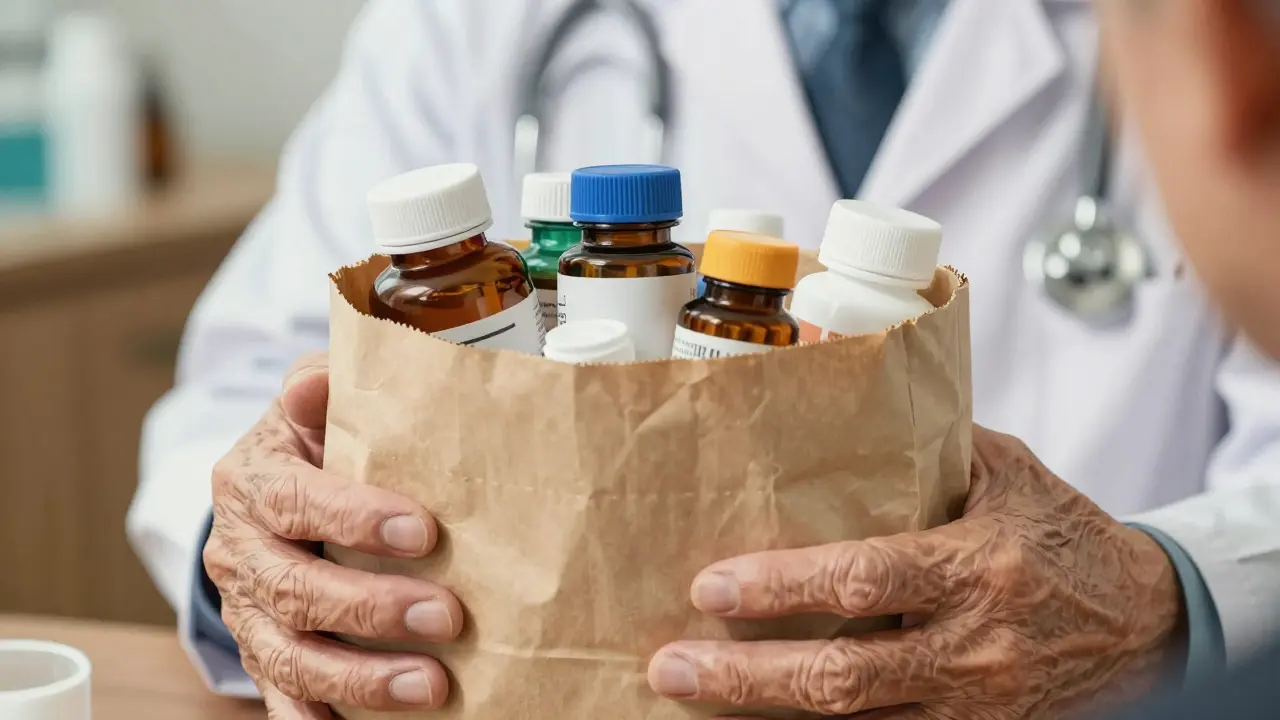
Schedule a 'brown bag' review with your doctor or pharmacist once a year. Bring all your bottles-prescription, OTC, and supplements. The NCCMERP recommends considering polypharmacy (five or more meds) as a trigger for an in-depth therapeutic review. This process takes about 12 minutes per patient but prevents 79% of double ingredient errors, per a 2020 BMJ Quality & Safety study.
5. Read the Drug Facts Label
Since 2020, the FDA has required standardized 'Drug Facts' labels on all OTC medications. Look for the 'Active Ingredients' section. Ignore the marketing claims on the front. If you see acetaminophen, ibuprofen, or diphenhydramine, check your master list before taking it.
Comparison: Risk Factors and Mitigation
| Risk Factor | Impact Level | Mitigation Strategy | Effectiveness |
|---|---|---|---|
| Multiple Prescribers | High (82% of cases involve multiple providers) | Share master medication list with all doctors | Reduces errors by 54% |
| Splitting Pharmacies | High (Detection drops to 45%) | Use a single pharmacy for all prescriptions | Increases detection to 92% |
| Undisclosed OTC Use | Medium-High (68% non-disclosure rate) | Disclose all OTC/supplements at every visit | Prevents 79% of errors |
| Brand Name Confusion | Medium (45% label clarity issue) | Read 'Active Ingredients' on Drug Facts label | Essential for self-check |
Technological Advances and Future Outlook
We’re seeing positive changes in how technology helps us stay safe. Electronic health record vendors like Epic and Cerner have integrated 'double ingredient check' functionality since 2022. These alerts now catch 92% of potential scenarios, according to a 2023 JMIR Medical Informatics study. However, they only work if your data is complete-which brings us back to the importance of disclosing OTC use.
New tools are also emerging for patients. The MedWise Risk Score technology identifies double ingredient risks with 89% accuracy. Additionally, the FDA partnered with Apple Health to incorporate medication interaction checking into iOS 17, released in September 2023. This feature flags products containing duplicate active ingredients right on your phone.
Regulatory efforts are intensifying too. The FDA’s Over-the-Counter Drug Facts Label Modernization Initiative, launched in January 2024, requires prominent display of active ingredients in standardized formats across all OTC products. Full compliance is required by December 2025. This will make it much harder for brands to hide behind clever marketing.
The National Action Plan for Adverse Drug Event Prevention, updated in March 2023, sets a target of reducing double ingredient hospitalizations by 50% by 2027. While progress is being made, the burden still falls heavily on patients to be vigilant. The economic cost is staggering: preventable adverse drug events cost the U.S. healthcare system $42 billion annually, with 31% tied to polypharmacy-related errors.
Frequently Asked Questions
What exactly is a double ingredient error?
A double ingredient error occurs when a patient takes two or more medications that contain the same active pharmaceutical ingredient, often without realizing it. For example, taking a prescription opioid like Vicodin (which contains acetaminophen) along with an over-the-counter pain reliever like Tylenol (also acetaminophen) results in an accidental overdose of that specific ingredient.
Who is most at risk for double ingredient errors?
Older adults are particularly vulnerable, accounting for 65% of hospitalizations related to these errors. People practicing polypharmacy (taking five or more medications), those with multiple chronic conditions, and individuals who see several different healthcare providers are at the highest risk. Adults taking five or more medications represent only 15% of the population but account for 82% of double ingredient emergency department visits.
Which medications are most likely to cause double ingredient issues?
The most common culprits are acetaminophen (found in many painkillers and cold remedies), NSAIDs like ibuprofen and naproxen, sedatives mixed with antihistamines like diphenhydramine, and decongestants like pseudoephedrine. Acetaminophen alone causes 56,000 emergency room visits annually due to unintentional overdose.
How can I check if my medications have overlapping ingredients?
You can check by reading the 'Active Ingredients' section on the Drug Facts label of every OTC product you buy. Compare this list with your prescription medications. Additionally, use a single pharmacy for all prescriptions so their system can flag interactions. Apps like Apple Health (iOS 17+) and tools like MedWise Risk Score can also help identify duplicates. Always bring a master list of all your meds to your doctor and pharmacist.
Should I tell my doctor about vitamins and supplements?
Yes, absolutely. The WHO notes that 68% of patients don’t disclose traditional or complementary medicine use, creating hidden risks. Some supplements can interact with prescription drugs or contain ingredients similar to OTC medications. Including vitamins, herbs, and supplements in your master medication list ensures a complete picture for your healthcare providers.
What are the signs of a double ingredient overdose?
Symptoms vary by ingredient but commonly include dizziness (reported by 38% of affected adults), excessive drowsiness (32%), nausea, vomiting, and gastrointestinal bleeding (12%). For acetaminophen, early signs may be subtle, but later stages can involve severe liver damage. For sedatives, watch for slowed or difficult breathing. If you suspect an overdose, seek emergency medical attention immediately.
How often should I review my medications with my doctor?
Experts recommend conducting a full medication review at least once a year. If you are on five or more medications, this review is essential. During this 'brown bag' review, bring all your prescription bottles, OTC meds, and supplements. This process helps identify unnecessary medications, potential interactions, and double ingredient risks, reducing errors by up to 79%.