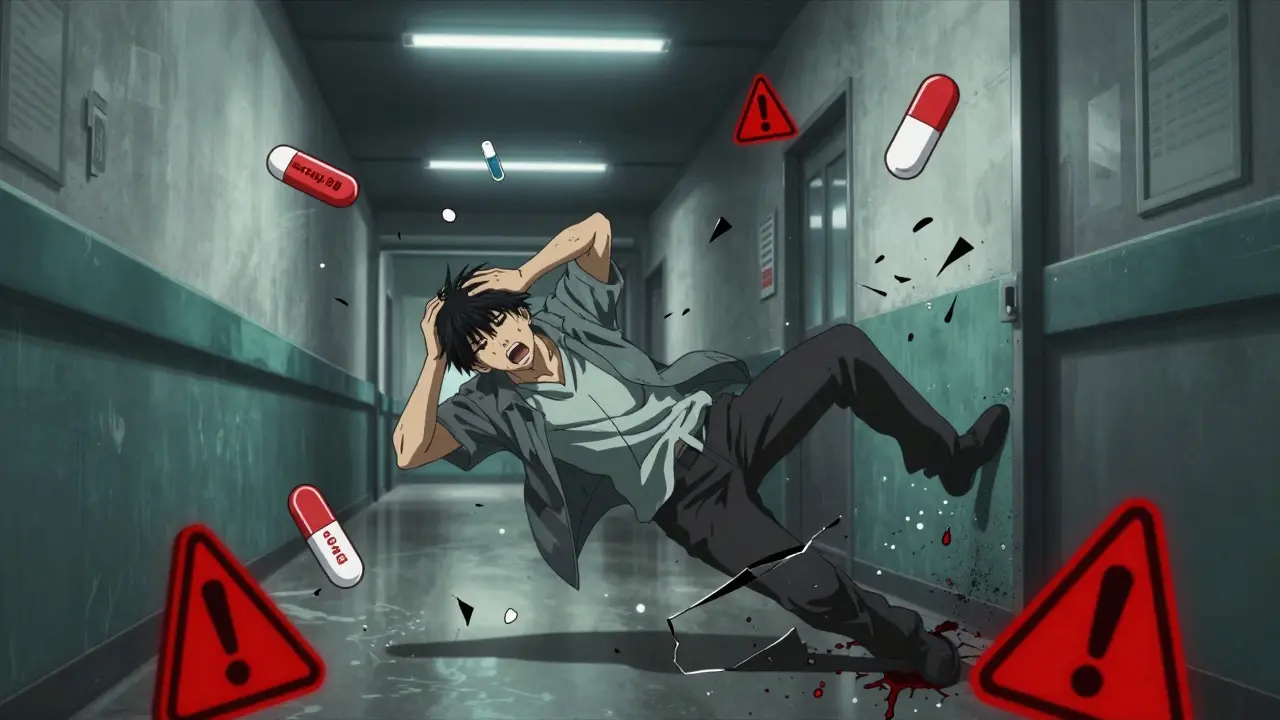
An adverse drug event (ADE) isn’t just a side effect-it’s a preventable injury caused by a medication. It could be a fall from dizziness after a new blood pressure pill, a trip to the ER from low blood sugar after insulin, or a hospital admission because two meds clashed in your system. These aren’t rare mistakes. In the U.S. alone, ADEs lead to 1 million emergency room visits and 125,000 hospital stays every year. And the scary part? Up to half of them shouldn’t have happened.
What Exactly Is an Adverse Drug Event?
An adverse drug event is any harm that comes from taking a medicine. That includes everything from allergic reactions and overdoses to mistakes in how the drug was prescribed, dispensed, or taken. It’s not just about the drug itself-it’s about the whole system around it. The World Health Organization defines it clearly: harm to a patient because of medication use.
Think of it this way: if you take a pill and feel sick because of how your body reacts to it, that’s an adverse drug reaction. But if the wrong dose was written on the prescription, or the pharmacist gave you the wrong pill, or you didn’t know you couldn’t drink grapefruit juice with your medication-that’s an adverse drug event. The difference matters because reactions are sometimes unavoidable. Events? Most of them are preventable.
The Institute of Medicine’s 2000 report To Err is Human first brought national attention to this issue, showing that medication errors alone were killing at least 7,000 people a year in U.S. hospitals. Since then, the problem has only grown more complex-with more drugs, more patients on multiple medications, and more opportunities for things to go wrong.
The Five Main Types of Adverse Drug Events
Not all ADEs look the same. They fall into five main categories, each with its own risk profile and prevention needs.
- Adverse Drug Reactions (ADRs): These happen when your body responds unexpectedly to a drug at normal doses. Think rashes, nausea, or liver damage. About 80% of these are Type A-predictable, dose-related, and often preventable with better monitoring.
- Medication Errors: These are mistakes in prescribing, dispensing, or taking a drug. A doctor writes the wrong dose. A nurse gives the pill at the wrong time. A patient takes two pills thinking they’re the same. These account for nearly half of all ADEs.
- Drug-Drug Interactions: When two or more medicines mix in your body and change how they work. Warfarin and certain antibiotics? That combo can cause dangerous bleeding. Statins and grapefruit juice? That can wreck your muscles.
- Drug-Food Interactions: Food can change how a drug is absorbed. Antidepressants with aged cheese? Risk of stroke. Thyroid meds with calcium supplements? They cancel each other out.
- Overdoses: Either accidental or intentional. Too much painkiller. Too much insulin. Too much sedative. Synthetic opioids like fentanyl are now the biggest killer in this category, responsible for over 70,000 deaths in 2021.
Some ADEs are more dangerous than others. The U.S. Department of Health and Human Services flagged three top concerns: bleeding from anticoagulants, hypoglycemia from diabetes drugs, and overdoses from opioids. Together, these three cause more than half of all serious ADEs in hospitals.
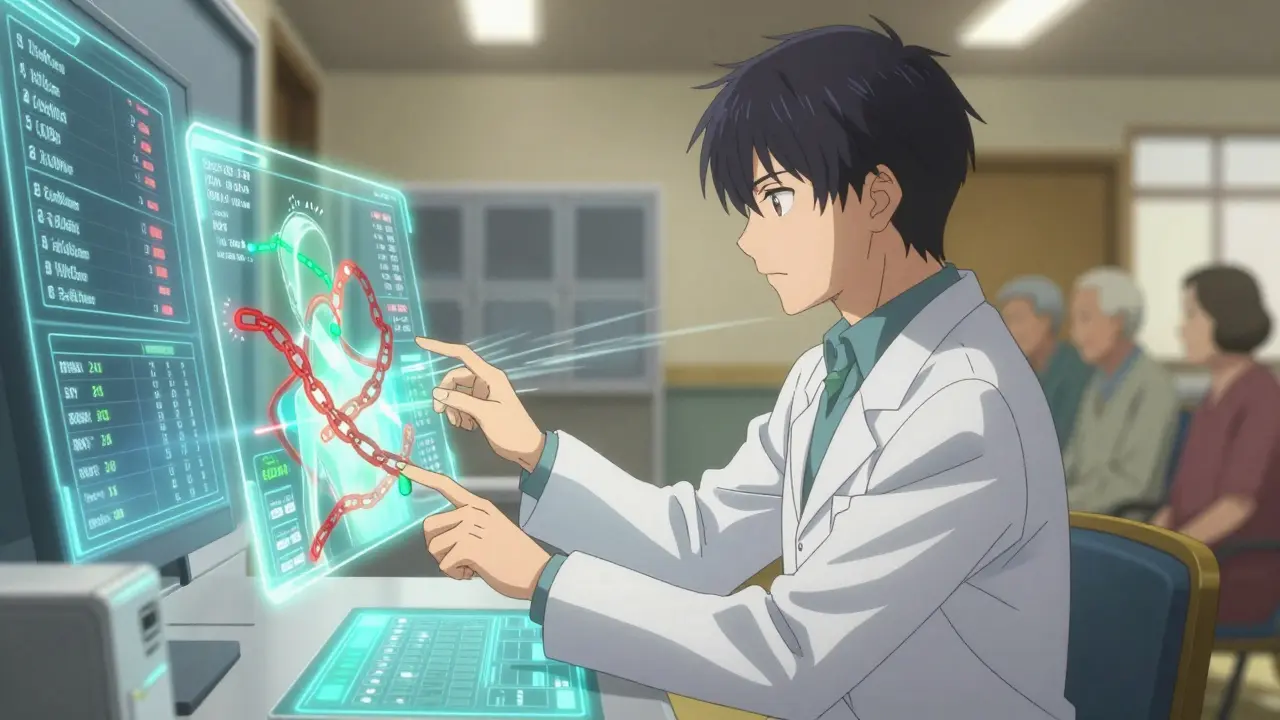
High-Risk Medications That Cause the Most Harm
Not all drugs are created equal when it comes to risk. Some are more likely to cause harm, especially if not monitored closely.
Anticoagulants like warfarin are the #1 single-drug cause of ADE-related hospitalizations. Why? They have a tiny window between working and causing bleeding. Your INR level needs to be perfect-too low, you clot; too high, you bleed. Studies show that in 35% of outpatient tests, that level is missed. That’s why pharmacist-led anticoagulation clinics reduce major bleeding by 60% compared to regular care.
Insulin and other diabetes medications cause around 100,000 emergency visits every year. Older adults are hit hardest-60% of these cases involve people over 65. A simple mistake-like skipping a meal after taking insulin-can send someone into a coma.
Opioids are the silent epidemic. In 2021, over 107,000 Americans died from drug overdoses. Nearly 70% involved synthetic opioids like fentanyl. Even when prescribed correctly, these drugs can cause dangerous sedation, especially when mixed with alcohol or sleep aids.
Other high-risk drugs include statins (muscle damage), benzodiazepines (falls and confusion in seniors), and antibiotics like vancomycin (kidney damage). Precision dosing-tailoring the dose based on weight, age, kidney function, and genetics-can cut ADEs from these drugs by 25% or more.
How to Prevent Adverse Drug Events
Preventing ADEs isn’t about one magic fix. It’s about layers-systems, tools, and habits that catch mistakes before they hurt someone.
- Medication Reconciliation: Every time you move between care settings-hospital to home, doctor to pharmacy-your meds should be double-checked. A 2020 study found this cuts post-discharge ADEs by 47%. Ask: “What am I taking now? Why? And has anything changed?”
- Electronic Prescribing: Handwritten scripts are a relic. E-prescribing cuts errors by 48%. It stops illegible handwriting, checks for interactions in real time, and alerts doctors if a dose is too high.
- Medication Reviews: Get your full list of meds reviewed at least once a year. A 2019 study in JAMA Internal Medicine found this reduces ADE risk by 30%. Especially important if you’re on five or more drugs.
- Pharmacist Involvement: Pharmacists aren’t just pill dispensers. Medication Therapy Management (MTM) services help them spot problems-duplicate meds, dangerous interactions, unnecessary drugs. They fix an average of 4.2 medication issues per patient. That’s huge.
- Patient Education: If you don’t know why you’re taking a drug, or what side effects to watch for, you’re at risk. A Cochrane review showed clear, simple education improves adherence by 22%. Ask: “What should I do if I feel dizzy? Should I avoid alcohol? What if I miss a dose?”
- Deprescribing: Sometimes, the best medicine is stopping one. Especially in older adults, long-term use of anticholinergics, sedatives, or even acid blockers can cause falls, memory loss, or kidney damage. Structured deprescribing programs reduce ADEs by up to 40% in seniors.
The Veterans Affairs system has shown what’s possible. They use real-time dashboards to flag high-risk patients, test for genetic markers that affect how drugs are processed, and have pharmacists lead anticoagulation clinics. The result? Fewer bleeds, fewer falls, fewer hospital stays.
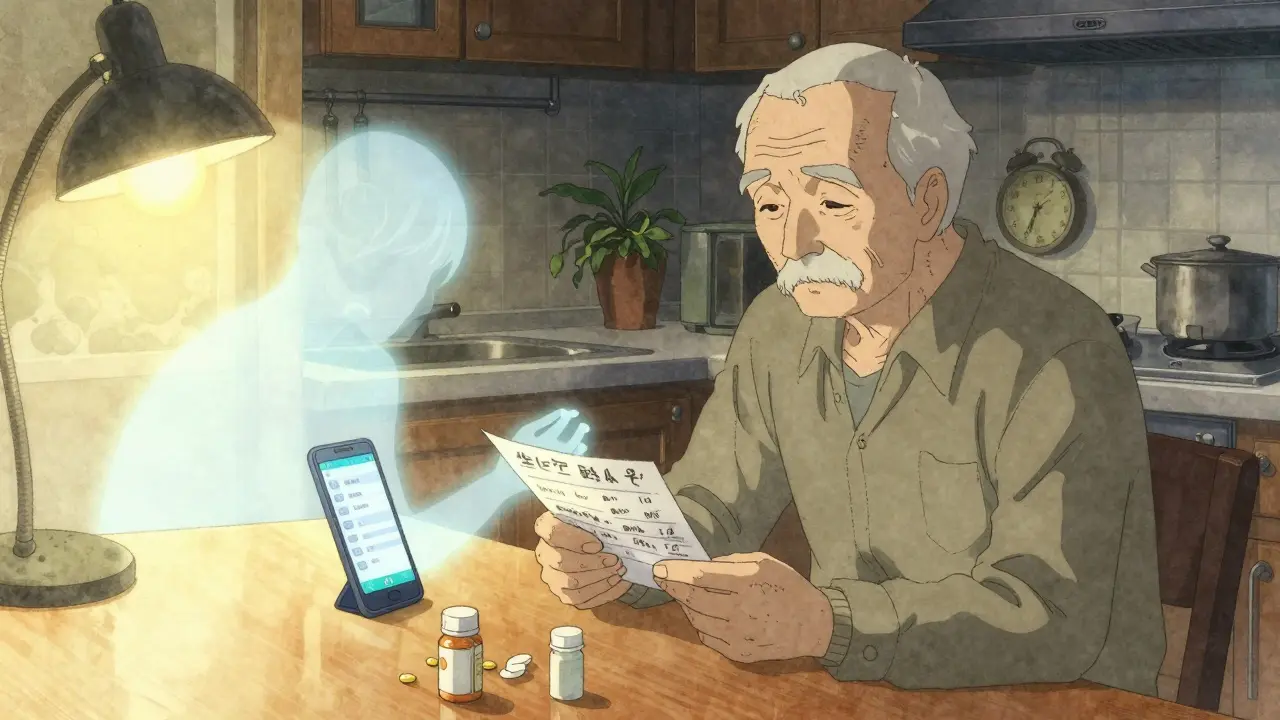
The Role of Technology and the Future of Medication Safety
Technology is changing how we catch ADEs before they happen.
Electronic health records (EHRs) are now in 89% of U.S. hospitals. But only 45% have full clinical decision support-meaning they don’t always warn doctors about dangerous combos. That’s a gap.
Artificial intelligence is stepping in. At Johns Hopkins, a machine learning model analyzes 50+ patient factors-age, lab results, past hospital visits, current meds-to predict who’s most likely to have an ADE. Early results? A 17% drop in events. That’s not science fiction-it’s happening now.
Pharmacogenomics-testing your genes to see how you’ll respond to a drug-is still rare, used in only 5% of cases. But by 2027, it’s expected to reach 30%. Imagine knowing before you take warfarin that your genes make you extra sensitive to it. That could prevent a deadly bleed.
The WHO’s Medication Without Harm campaign pushed for global change. It cut harm by 18% between 2017 and 2022. But the 50% target wasn’t met. Why? Because change is slow. It needs policy, training, funding, and above all-commitment.
What You Can Do Right Now
You don’t need to wait for hospitals or tech to fix this. You have power too.
- Keep a written or digital list of every medication you take-including vitamins, supplements, and over-the-counter pills. Update it every time your doctor changes something.
- Ask your pharmacist: “Are any of these drugs known to interact?”
- Don’t assume a new prescription is safe just because it came from your doctor. Check for warnings.
- If you’re over 65, ask your doctor: “Am I taking any drugs that could increase my risk of falling or confusion?”
- Use one pharmacy for all your prescriptions. That way, they can track interactions across all your meds.
Medication safety isn’t just a hospital issue. It’s a daily practice. The more you know, the less likely you are to become a statistic.
What’s the difference between an adverse drug reaction and an adverse drug event?
An adverse drug reaction (ADR) is a harmful response to a drug at normal doses-like a rash or nausea. It’s often unavoidable. An adverse drug event (ADE) is any harm caused by medication use, including mistakes like wrong doses, drug interactions, or overdoses. ADEs include ADRs, but also cover preventable errors. About half of all ADEs are avoidable.
Which medications cause the most adverse drug events?
The top three are anticoagulants (like warfarin), diabetes medications (especially insulin), and opioids. Warfarin alone causes 33% of anticoagulant-related hospital admissions due to its narrow safety window. Insulin leads to 100,000 emergency visits yearly, mostly in seniors. Opioids caused over 70,000 overdose deaths in 2021, mostly from synthetic versions like fentanyl.
Can pharmacists really help prevent adverse drug events?
Yes. Pharmacists are trained to spot dangerous drug combinations, duplicate prescriptions, and inappropriate dosing. Medication Therapy Management (MTM) services have been shown to identify and fix 4.2 medication problems per patient. In VA hospitals, pharmacist-led clinics cut major bleeding from warfarin by 60%. They’re a critical safety net.
Is deprescribing safe? Should I stop taking my meds on my own?
Never stop a medication without talking to your doctor. But deprescribing-carefully reducing or stopping unnecessary drugs-is proven to reduce harm, especially in older adults. It’s not about stopping everything-it’s about removing drugs that no longer help or could cause more harm than good. A 2021 study showed deprescribing reduced anticholinergic-related ADEs by 40% in seniors.
How can I tell if my medication is causing an adverse event?
Watch for new symptoms that started after beginning a new drug or changing a dose. Common signs include dizziness, confusion, nausea, unusual bruising, extreme fatigue, muscle pain, or sudden changes in blood sugar or blood pressure. If something feels off, write it down and bring it to your doctor or pharmacist. Don’t wait for it to get worse.
Are electronic prescriptions safer than handwritten ones?
Yes. Handwritten prescriptions are a leading cause of medication errors due to poor handwriting, wrong dosages, or unclear instructions. Electronic prescribing reduces errors by 48% by auto-checking for drug interactions, correct dosing based on weight and age, and preventing duplicate prescriptions. It also lets your pharmacist see exactly what was ordered.
vishnu priyanka
January 13, 2026 AT 11:09Milla Masliy
January 13, 2026 AT 17:32Nelly Oruko
January 15, 2026 AT 04:54Lance Nickie
January 16, 2026 AT 19:47Avneet Singh
January 18, 2026 AT 17:34Clay .Haeber
January 18, 2026 AT 23:15Adam Vella
January 20, 2026 AT 21:46sam abas
January 22, 2026 AT 17:18Damario Brown
January 24, 2026 AT 16:14Lethabo Phalafala
January 24, 2026 AT 23:00Alan Lin
January 26, 2026 AT 02:21Angel Tiestos lopez
January 27, 2026 AT 09:18Trevor Whipple
January 28, 2026 AT 15:08