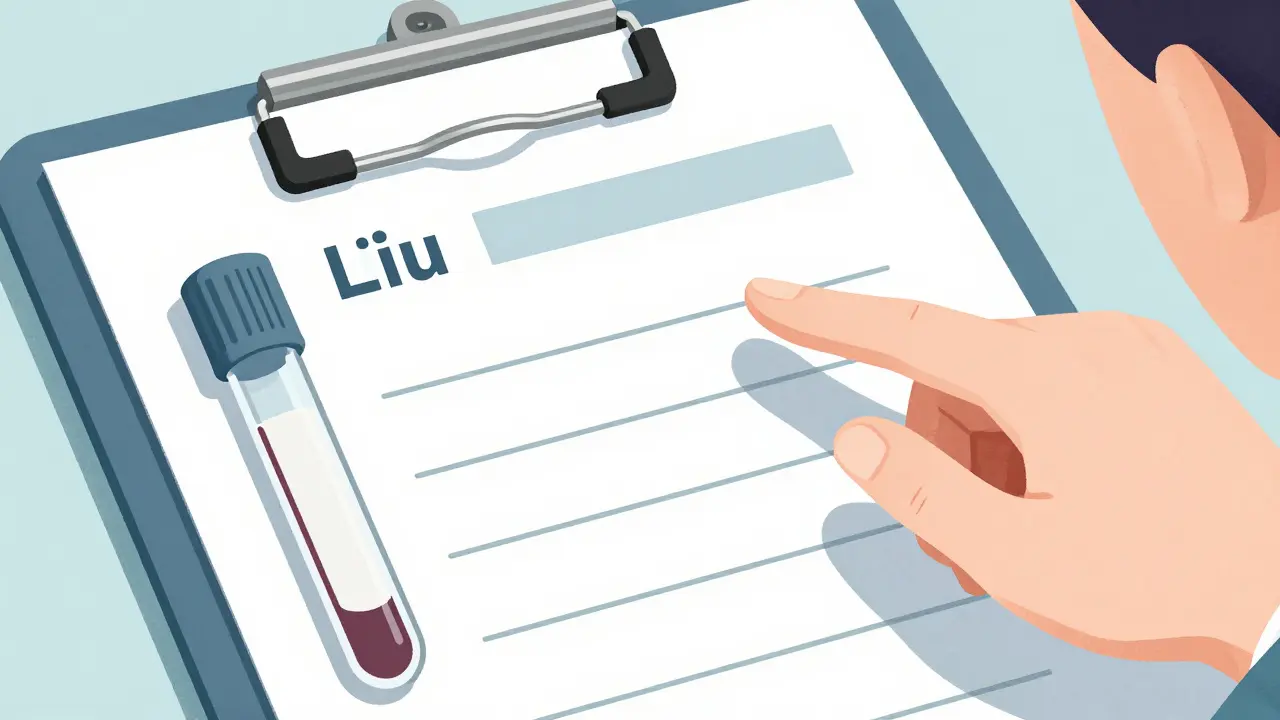
In England, only 40% of patients taking lithium get the required health checks. This gap in care can lead to serious harm. Medication safety in mental health isn't just about giving the right drug-it's about making sure every step from prescription to monitoring is safe and coordinated across different care settings.
Medication Safety in Mental Health Systematic approaches to ensure psychotropic medications are prescribed, dispensed, administered, and monitored with minimal risk of adverse events while maintaining therapeutic efficacy.Why Medication Safety in Mental Health is Unique
Mental health medication safety has unique challenges. Unlike general medical settings, people with mental health conditions often face communication barriers, cognitive impairments, or complex medication regimens. The World Health Organization identifies three main risk factors: the medications themselves (like lithium or clozapine), patient-provider factors (such as impaired judgment), and system issues (like fragmented care). These combine to create higher risks for medication errors. For example, a patient with schizophrenia might struggle to explain side effects clearly, or a person in crisis might refuse medication without understanding the consequences. These situations make coordination between doctors, nurses, and pharmacists absolutely critical.
Key Strategies for Safe Medication Management
Medicines reconciliation is one of the most effective tools. When moving between care settings-like from a hospital to home or prison to community-pharmacists review all medications to catch mistakes. New Zealand’s Health Quality & Safety Commission found this process reduces medication discrepancies by up to 80%. Electronic prescribing systems also play a huge role. They cut errors like wrong doses or missed medications by 55% by automatically checking for drug interactions. For instance, if a doctor tries to prescribe an antidepressant that clashes with a blood thinner, the system flags it before the prescription leaves the computer.
Therapeutic drug monitoring is another must. Medications like lithium require regular blood tests to stay in the safe range. NICE guidelines say lithium levels should be checked every three months, but NHS England data shows only 40% of patients in England get these tests. Without them, patients risk toxicity or ineffective treatment. Similarly, clozapine needs weekly blood tests to watch for dangerous side effects like low white blood cell counts. These checks aren’t optional-they’re lifesavers.

Roles of Healthcare Professionals
Clinical pharmacists are game-changers in mental health care. When they’re part of the team, medication errors drop by 25%. They review all prescriptions, spot dangerous interactions, and adjust doses based on patient feedback. For example, a pharmacist might notice a patient is taking two medications that cause severe drowsiness, then suggest a safer alternative. Nurses also follow the "ten rights and three checks" framework: right patient, drug, dose, route, time, documentation, reason, response, refusal, and education. Before giving any medication, they verify each step. This simple routine stops errors before they happen.
Doctors and psychiatrists need to document why each medication is prescribed. NHS England’s guidelines stress that every mental health medicine should have a clear reason recorded. This helps other providers understand the treatment plan, especially during transitions. For instance, if a patient switches from a hospital to a community clinic, the documented reason ensures continuity. Without it, new providers might assume the medication is unnecessary or dangerous.
What Patients and Families Can Do
Patients can actively protect their own safety. Keep a current list of every medication you take, including doses and why you take it. Share this list with all healthcare providers-doctors, nurses, pharmacists, and even dentists. Ask questions like, "What is this medication for?" or "Are there any side effects I should watch for?" Simple steps like these prevent mistakes. For example, a patient who shared their full medication list with their GP avoided a dangerous interaction between an antidepressant and a blood thinner. Families can also help by monitoring for unusual side effects and reporting them immediately.
For those on high-risk medications like lithium, regular blood tests are non-negotiable. If your doctor hasn’t scheduled one in three months, ask why. Don’t skip doses or stop medications without talking to your provider first. Sudden changes can cause relapse or dangerous withdrawal effects. Your input matters-no one knows your body better than you do.

Current Challenges and How They’re Being Addressed
Secure environments like prisons face higher medication error rates. NHS England reports fragmented care pathways between community and custodial settings. When someone enters prison, their community prescriptions might not transfer properly. Upon release, medications could be discontinued without tapering, leading to withdrawal or relapse. NHS England’s Health and Justice guidance requires clear responsibilities between GPs, mental health teams, and pharmacies to bridge these gaps. Shared care plans with pharmacy support are now standard in these settings.
Polypharmacy is another major issue. Taking multiple medications increases risks of harmful interactions. For example, combining antidepressants with certain painkillers can cause serotonin syndrome. NHS England warns against off-label uses like low-dose antidepressants for insomnia, as they increase diversion risks. Prescribers must now review all medications during transitions, prioritizing safety over convenience. This means stopping unnecessary drugs and ensuring only essential ones continue.
Looking Ahead: Future Improvements
The future of medication safety in mental health lies in better technology and collaboration. Electronic health records that connect primary care, mental health services, and pharmacies can reduce errors. New Zealand’s Health Quality & Safety Commission highlights the success of medicine reconciliation and clinical pharmacists in reducing mistakes. As systems improve, the goal is to make medication safety a standard part of every mental health care plan.
Training for all healthcare staff is also key. General practitioners often lack formal training on mental illnesses, according to King’s College London research. Better education on psychotropic medications and their risks will improve prescribing practices. With ongoing efforts, we can move closer to a system where medication safety in mental health is seamless and reliable for everyone.
What is the biggest risk in mental health medication safety?
The biggest risk is polypharmacy-taking multiple medications that interact dangerously. For example, combining antidepressants with blood thinners can cause bleeding. High-alert drugs like lithium and clozapine also carry serious risks if not monitored closely. Proper coordination between healthcare providers is essential to avoid these dangerous combinations.
Why do I need blood tests for lithium?
Lithium has a narrow therapeutic range. Too little won’t treat your condition, but too much can cause kidney damage or seizures. Blood tests ensure your dose stays in the safe zone. NICE guidelines recommend checks every three months, but many patients miss these tests. Skipping them puts you at serious risk.
How can I ensure my medications are safe during a care transition?
Always carry a current medication list when moving between care settings. Ask for a medicines reconciliation review by a pharmacist. Confirm all prescriptions are transferred correctly and that any dose changes are documented. If you’re moving from prison to community care, ensure your new GP has all details about your medications and why they’re prescribed.
What role do pharmacists play in mental health medication safety?
Pharmacists are medication experts who review all prescriptions for safety. They check for drug interactions, ensure correct doses, and spot errors like duplicate medications. In mental health settings, they’re part of the care team, reducing errors by 25%. They also educate patients on how to take medications safely and what side effects to watch for.
What should I do if I suspect a medication error?
Contact your healthcare provider immediately. If you notice a new side effect, missing medication, or wrong dose, don’t wait. Keep your medication list handy to show what you’re taking. In emergencies, go to the nearest hospital. Reporting errors helps improve systems and prevents harm to others.

Johanna Pan
February 6, 2026 AT 15:47Lithium monitoring is critical for patient safety.
In England, only 40% get the required checks.
But systematic approaches like medicines reconciliation and e-prescribing can cut errors significanlty.
New Zealand's Health Quality Commission shows this works.
We need better coordination across all care settings.
Every patient deserves this level of safety.
Let's push for change together.
lance black
February 7, 2026 AT 19:52Lithium monitoring is non-negotiable for patient safety.
Sam Salameh
February 7, 2026 AT 22:00The US has the best healthcare system for medication safety.
We should lead globally.
Other countries need to adopt our protocols.
It's about patient safety first.
Cole Streeper
February 9, 2026 AT 01:23I've heard the government is hiding the risks of lithium.
They're pushing it to control patients.
This is all a conspiracy to keep people dependent on meds.
We need to expose them.
Dina Santorelli
February 9, 2026 AT 18:19This is such a mess.
Only 40% get checked?
The NHS is failing people.
They don't care about us.
Just another broken system.
divya shetty
February 10, 2026 AT 23:16Strict adherence to medication protocols is a moral imperative.
The current situation in England is unacceptable.
Patient safety must come first.
Nancy Maneely
February 12, 2026 AT 21:59OMG this is insane!
Only 40% of lithium patients get checked?
The NHS is completely failing us.
We need action NOW.
This is unacceptable!
Phoebe Norman
February 13, 2026 AT 11:12Therapeutic drug monitoring is essential for lithium due to narrow therapeutic index.
Without regular checks toxicity risks increase significantly.
Current adherence rates are suboptimal.
Need better systems.
No one seems to care.
Albert Lua
February 15, 2026 AT 11:00I've seen international examples where integrated care teams reduce errors.
Pharmacists and nurses working together make a huge difference.
We should share these best practices globally.
Carl Crista
February 17, 2026 AT 09:51Pharma companies are pushing these drugs for profit.
They don't care about safety.
Lithium levels are manipulated to keep patients dependent.
Government knows but does nothing.
We need to expose them.