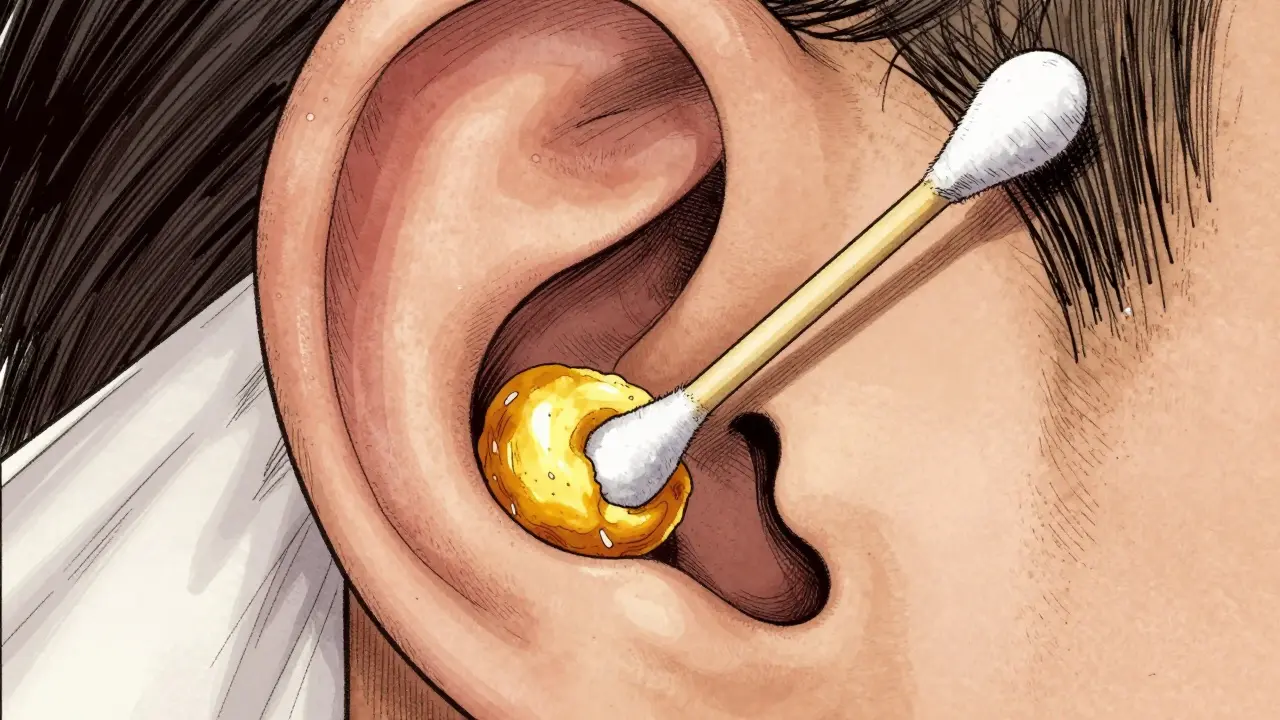
There is a common habit most of us share without thinking twice: taking a cotton swab and pushing it deep into the ear canal because our ears feel blocked or itchy. But here is the hard truth-that action is usually making the problem worse. You aren't cleaning your ears; you are likely packing the wax down tighter against your eardrum. This condition is medically known as cerumen impaction, and it affects roughly one in sixteen people globally, with numbers climbing significantly among older adults and those with hearing aids.
In this guide, we will cut through the noise about ear health. We’ll look at why that sticky substance exists in the first place, how you can tell if it’s blocking your hearing safely, and the proven methods to clear it out without risking permanent damage. If you’ve ever felt like your hearing is muffled or experienced that pressure behind your ear, you’re not alone, and fixing it doesn’t require dangerous home experiments.
The Basics of Ear Health
Cerumen, commonly called earwax, is actually essential for your well-being.
It is a yellow, waxy substance produced by glands in the outer third of the ear canal that protects the ear from infection, dust, and insects while lubricating the skin.Also known as Ear Wax, it naturally migrates outward, carrying dead skin cells and debris with it. Under normal circumstances, you do not need to clean inside your ear canal at all. Your jaw movements while chewing help move this wax out naturally. However, when this self-cleaning mechanism fails, or when foreign objects interfere, impaction occurs.
Impaction happens when wax accumulates to the point where it blocks sound waves from reaching the tympanic membrane, also known as the eardrum. According to the American Academy of Family Physicians, this impacts approximately 6% of the general population. The risk increases with age, as older individuals tend to produce harder, drier wax that doesn't move as easily. It isn't just an inconvenience; untreated blockage can lead to hearing loss, infections, and even dizziness.
Recognizing the Symptoms
Many people ignore their ears until a sudden issue arises, but there are early warning signs. You might notice a gradual change rather than a sudden event. Here is what typically indicates a buildup:
- Hearing Loss: Often the first sign, reported in 65% of cases. It feels like listening to music underwater.
- Fullness: A sensation that something is physically occupying the space inside your ear.
- Tinnitus: Ringing or buzzing sounds generated internally when external sound is blocked.
- Discomfort or Pain: While rare, pressure buildup can cause genuine ache.
- Dizziness: If the wax presses against the eardrum affecting balance mechanisms.
A study by the University of Rochester Medical Center found that nearly 80% of patients report at least two symptoms happening at once. Sometimes, you might not notice anything until a doctor tries to examine your ear and finds they cannot see the eardrum due to the blockage. If you have a cough or drain coming from your ear alongside these issues, it suggests inflammation or infection, meaning you should skip home remedies and seek professional help immediately.

Why Does Impaction Happen?
Risk Factors play a significant role in whether you develop severe blockages.
Common causes include frequent use of Cotton Swabs or Q-tips, which push wax deeper. Other contributors are narrow ear canals, excessive hair in the ear canal, and the use of hearing aids or earbuds which reduce airflow and movement.
The most surprising culprit is often the attempt to clean. Data from NHS England shows that using cotton swabs accounts for up to 70% of impactions caused by intervention. When you insert a stick, you compress the soft wax into the deepest part of the canal, where it gets stuck behind the bend known as the bony meatus. Over time, that compressed wax hardens and traps debris.
Hearing aid users face unique challenges. About 35% to 40% of people who wear devices struggle with this because the mold prevents natural air circulation and pushes wax back against the drum. If you fit into these categories, regular check-ups with an ENT specialist become vital maintenance rather than optional care.
Safe Removal Options
If you suspect you have a blockage, you have three primary paths forward. Choosing the right one depends on your specific anatomy and history.
Softening Agents (First Line)
The National Institute for Health and Care Excellence (NICE) recommends starting with softening drops if you have no history of perforated eardrums. Products containing carbamide peroxide, mineral oil, or simple baby oil can help break down the hardened mass.
- Lie on your side with the affected ear facing up.
- Instill two or three drops of warm liquid.
- Stay still for five to ten minutes.
- Repeat this process daily for three days before trying any flushing method.
This method works for about 65% of cases, giving the wax enough time to soften and potentially float out on its own.
Professional Irrigation
This involves using a controlled stream of warm water to wash the canal out. While effective in about 85% of instances, it carries specific risks. If you have a hole in your eardrum (perforation) or a history of ear surgery, water under pressure can cause severe infection or permanent damage. Only qualified healthcare providers should perform this after checking your eardrum integrity.
Microsuction
Microsuction is currently considered the gold standard for removal.
A technique using a specialized suction device and microscope to remove dry or wet wax visually under direct observation.It has a success rate of over 96% and minimal complications because it does not involve water entering the middle ear. It is quick, painless, and safe for almost everyone, including those with grommets or previous surgeries. Many independent audiology clinics now offer this service.
| Method | Success Rate | Best For | Risks |
|---|---|---|---|
| Oil Drops | 65% | Mild blockages | Allergic reactions |
| Irrigation | 85% | No prior surgery | Infection if TM perforated |
| Microsuction | 96%+ | Severe impaction | Minimal |
| Cotton Swabs | Negative | None | Packing/Wall Damage |

What to Avoid
Despite internet trends, certain methods are widely condemned by medical professionals. Ear candling, for example, is completely ineffective and dangerous. These cones are meant to draw wax out via heat, but the FDA has banned them as misbranded devices. In reality, they leave hot wax residue in the ear, leading to burns. Furthermore, inserting tools like safety pins, paper clips, or metal picks is incredibly risky. Even a tiny slip can tear the sensitive skin lining the canal or puncture the eardrum permanently.
You might also see "ear scoops" trending on social media platforms like TikTok. These unregulated tools scrape the canal blindly. Doctors warn that the ear canal is curved and fragile; scraping without vision removes protective oils and invites bacteria. Sticking to medical advice keeps you safe from unnecessary injury.
When to Call a Doctor
If you've tried softening drops for five days with no result, or if you experience pain, sudden hearing loss, or drainage, stop what you are doing and see a professional. In the UK, your GP or a local audiologist can refer you to specialist services. If you suffer from vertigo or severe ringing, this could signal an inner ear issue requiring immediate attention beyond simple blockage management.
Prevention is always easier than cure. Try to avoid putting anything smaller than your elbow into your ear. Instead, wipe the outer ear gently with a damp cloth after a shower. Keeping your ears dry and allowing natural migration prevents 90% of future issues.
Is using hydrogen peroxide safe for earwax removal?
Hydrogen peroxide can be effective, but it carries a higher risk of irritation compared to olive oil. Approximately 15% of users report discomfort. It is best used diluted and only if you have no history of ear infections or eardrum damage.
How long does earwax impaction last without treatment?
Without intervention, impaction typically remains indefinitely because the ear cannot clear impacted solid wax on its own. It will not vanish spontaneously once it hardens and fills the canal completely.
Can earwax blockage cause permanent hearing loss?
The hearing loss itself is conductive and reversible upon removal. However, repeated attempts to fix it with sharp objects can cause permanent mechanical damage to the eardrum or ossicles.
Do I need to clean my ears regularly?
No. Healthy ears clean themselves. Regular internal cleaning disrupts the natural pH and defense mechanisms, increasing the likelihood of impaction and infection.
How much does professional microsuction cost in the UK?
If referred by the NHS, it may be free depending on eligibility. Private clinics typically charge between £40 and £80 per session, though prices vary by location and clinic specialization.
Tony Yorke
March 26, 2026 AT 20:46Finally someone told me that pushing cotton swabs deep inside is actually making things worse.
Monique Ball
March 27, 2026 AT 11:35Wow! This is so important!!! 😱 I always thought ear wax was bad but now I know better!!! You shouldn't put anything smaller than your elbow in your ear canal. It actually protects you from bugs and dust which is cool. 😊 I used to dig around with q tips until last year when my doctor freaked out. They said I nearly punched my eardrum hard enough to ruin my hearing forever. 😨 Now I just let it come out naturally during a shower sometimes. 🚿 Softening drops work amazing if you are patient enough to wait. 🐢 Don't try burning candles inside your head please. 🔥 That sounds super dangerous and painful. Microsuction is the best way honestly if you can find a clinic. 💉 It costs a bit more but saves your hearing health in the long run. Everyone needs to read this guide before they mess up their ears. We should share this everywhere possible so people stay safe. 👯♀️ My grandmother had issues because she cleaned too much. Now she uses oil drops once a month only. 🌿 Keep your ears healthy and dry all day long! 💧
gina macabuhay
March 27, 2026 AT 13:34It is truly exhausting witnessing adults who have spent decades neglecting their own bodies suddenly care about anatomy. 😠 You act like you discovered fire yet you still use tools that damage your hearing daily. 😒 Stop pretending ignorance is cute when experts warn us clearly here. 😤 Your attempt to clean ears properly is just vanity disguised as hygiene. 😩 Do not expect sympathy while breaking medical advice repeatedly.
Richard Kubíček
March 28, 2026 AT 13:28I really appreciate the breakdown on why natural cleaning fails sometimes. It helps to understand the mechanics behind the blockage before panicking. My uncle had trouble with his hearing aids clogging up constantly. He learned that regular checkups saved him from infections later on. There is something comforting about knowing there is a safe solution available now. Science really has found ways to help us without causing more harm. We just need to trust the process and follow the guidelines given. Hopefully more clinics offer microsuction so people can access it easily. It makes sense to invest time in proper ear maintenance now. Prevention truly is better than trying to fix damage done later.
Poppy Jackson
March 28, 2026 AT 17:47OMG YES! So relieved!
Rachael Hammond
March 29, 2026 AT 07:10My ears feel bloated sometimes and i dont kno the fix. Its scary when u lose hearing for no reason period. People say just wait but waiting feels wrong. I tried oil but it just stayed stuck inside.
Kameron Hacker
March 29, 2026 AT 16:37Your hesitation to follow professional guidance is unacceptable negligence regarding your own health. You must cease any intrusive attempts immediately before irreversible damage occurs. Consult an ENT specialist without further delay or hesitation. Ignoring medical consensus leads to preventable suffering unnecessarily.
Tommy Nguyen
March 31, 2026 AT 10:59thanks for the info.
Austin Oguche
April 1, 2026 AT 11:57Indeed it was very informative. It is crucial that everyone reads such articles carefully. We benefit greatly from shared knowledge regarding our physical health. Please continue spreading awareness on this vital topic.