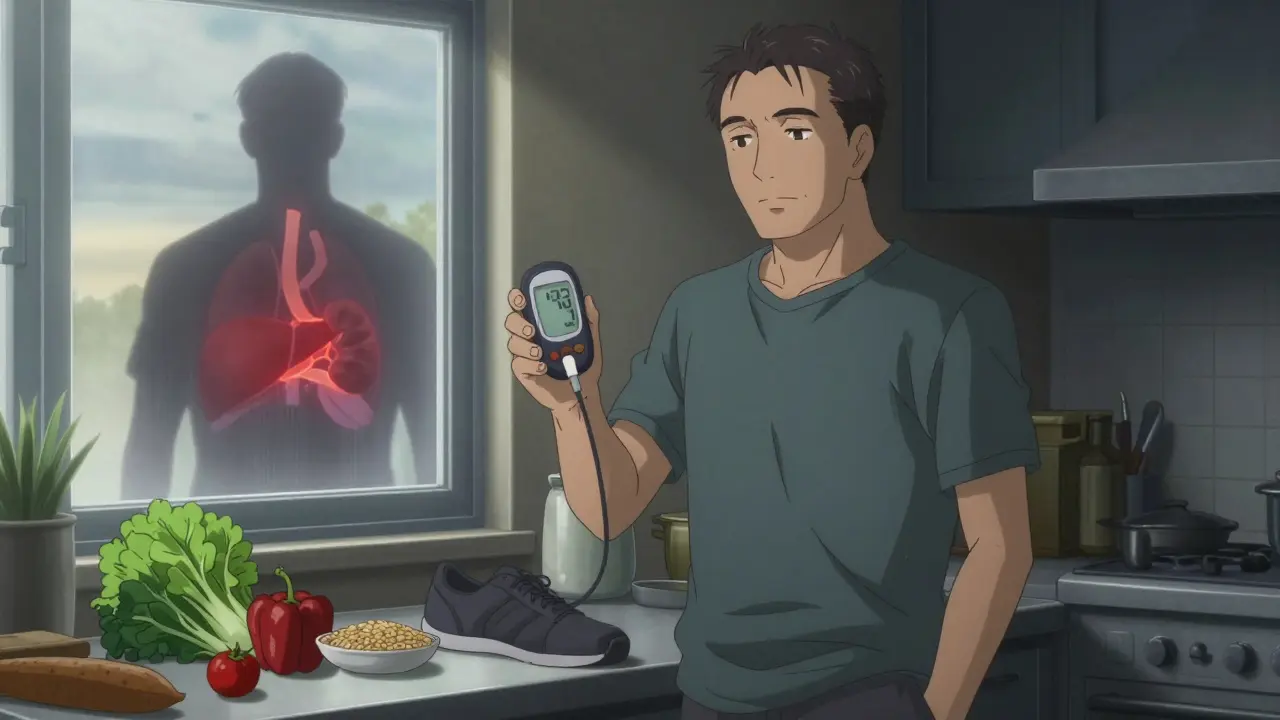
More than 500 million adults worldwide live with type 2 diabetes. In the UK alone, over 4.3 million people have been diagnosed, and many more don’t know they have it. This isn’t just about sugar or diet-it’s a complex, progressive condition that affects how your body uses energy. But here’s the good news: with the right approach, you can control it, slow it down, and even reverse some of its effects. This guide cuts through the noise and gives you clear, practical facts on what causes type 2 diabetes, what symptoms to watch for, and how to manage it effectively-no fluff, just what works.
What Exactly Is Type 2 Diabetes?
Type 2 diabetes happens when your body stops responding properly to insulin, the hormone that moves sugar from your blood into your cells for energy. At first, your pancreas tries to make more insulin to compensate. But over time, it gets worn out. By the time most people are diagnosed, their pancreas has already lost about half its ability to produce insulin. This isn’t something that happens overnight. It builds up over years, often without clear signs.
It used to be called "adult-onset diabetes," but now it’s showing up in teens and even children. In the US, over 287,000 people under 20 have been diagnosed. The rise is tied to rising obesity rates, sedentary lifestyles, and poor diet habits. But genetics also play a big role-if a parent or sibling has it, your risk jumps by 40%. Ethnicity matters too: people of South Asian, African, or Caribbean descent are up to six times more likely to develop it than white populations.
Common Symptoms (Most People Miss Them)
Many people with type 2 diabetes don’t feel sick-at least not at first. That’s why nearly 1 in 4 cases go undiagnosed. When symptoms do show up, they creep in slowly. Here’s what to look for:
- Constant thirst-drinking way more water than usual. This happens because high blood sugar pulls fluid from your tissues, leaving you dehydrated.
- Frequent urination-your kidneys work overtime to flush out excess sugar, so you’re heading to the bathroom more often, especially at night.
- Unexplained weight loss-even if you’re eating normally, your body can’t use sugar for energy, so it starts breaking down fat and muscle.
- Extreme fatigue-if you’re constantly tired despite sleeping enough, it could be because your cells aren’t getting the fuel they need.
- Blurred vision-high sugar levels can cause fluid shifts in your eyes, making it hard to focus.
- Slow-healing cuts or sores-high blood sugar damages blood vessels and nerves, slowing circulation and immune response.
- Recurrent infections-yeast infections, urinary tract infections, and skin infections are common because sugar feeds bacteria and fungi.
- Numbness or tingling-especially in hands and feet. This is early nerve damage, called neuropathy.
- Dark, velvety patches-on your neck, armpits, or groin. This is called acanthosis nigricans, and it’s a visible sign of insulin resistance.
If you notice two or more of these, especially if you’re overweight or have a family history, get your blood sugar checked. A simple finger-prick test or HbA1c blood test can confirm it.
What Causes It? It’s Not Just Eating Too Much Sugar
People often think type 2 diabetes is caused by eating too much sugar. But it’s more complicated. The real problem is insulin resistance. When your cells stop responding to insulin, your body tries to make more of it. Over time, your pancreas can’t keep up. This leads to sugar building up in your blood.
Here’s what drives insulin resistance:
- Obesity-especially fat around the belly. People with a BMI over 30 are 80 times more likely to develop type 2 diabetes than those with a BMI under 22.
- Lack of movement-sitting for long periods makes your muscles less sensitive to insulin. Just 30 minutes of walking a day can cut your risk by 27%.
- Genetics-over 400 genes have been linked to type 2 diabetes. If both parents have it, your risk is much higher.
- Aging-after 45, your body becomes less efficient at using insulin. But younger people are catching up fast.
- Poor diet-refined carbs, sugary drinks, and processed foods spike blood sugar repeatedly, forcing your pancreas into overdrive.
It’s not about one bad meal. It’s about years of small choices adding up. And once insulin resistance sets in, it’s hard to reverse without deliberate action.

What Happens If It’s Left Unmanaged?
Ignoring type 2 diabetes doesn’t mean you’ll just feel tired. It means your body slowly breaks down.
- Heart disease-65-80% of deaths in people with diabetes are from heart attacks or strokes. Your risk is 2-4 times higher than someone without diabetes.
- Kidney failure-diabetes is the leading cause of kidney failure. One in four people with type 2 diabetes will develop kidney damage.
- Nerve damage-up to 70% of people with diabetes get neuropathy. This can lead to foot ulcers, infections, and even amputations.
- Eye damage-diabetic retinopathy affects nearly 30% of adults with diabetes and causes over 17,000 cases of blindness in the US every year.
- Brain health-people with type 2 diabetes have a 2-3 times higher risk of Alzheimer’s. Some researchers now call it "type 3 diabetes" because of how insulin resistance affects brain function.
- Mental health-depression is twice as common in people with diabetes. And untreated depression makes it harder to manage blood sugar, creating a dangerous cycle.
These aren’t distant risks. They start quietly. A cut that won’t heal. A tingling toe. A foggy brain after lunch. These are early warnings. Catching them early changes everything.
How to Manage Type 2 Diabetes (The Real Way)
You don’t need to go on a starvation diet or take ten pills a day. Effective management is about consistency, not perfection.
1. Lifestyle Changes Are Your First Line of Defense
The CDC’s National Diabetes Prevention Program showed that losing just 7% of your body weight and walking 150 minutes a week reduces your risk of developing diabetes by 58%. That’s more effective than any medication.
- Move daily-aim for 30 minutes of brisk walking, cycling, or swimming most days. Even short bursts of movement after meals help lower blood sugar spikes.
- Eat real food-focus on vegetables, lean proteins, whole grains, beans, nuts, and healthy fats. Cut out sugary drinks, white bread, pastries, and processed snacks.
- Watch portion sizes-you don’t need to eliminate carbs, but reduce them. Try the "plate method": half your plate non-starchy veggies, a quarter lean protein, a quarter whole grains or starchy veg (like sweet potato).
- Sleep and stress matter-poor sleep raises cortisol, which raises blood sugar. Chronic stress does the same. Aim for 7-8 hours of sleep and find ways to unwind-walking, meditation, talking to a friend.
2. Medication Isn’t a Failure-It’s a Tool
Many people feel ashamed if they need medication. But the truth? Most people with type 2 diabetes eventually need help. That doesn’t mean you failed. It means your body needs support.
- Metformin-this is the first drug most doctors prescribe. It lowers blood sugar by making your liver produce less glucose and improving insulin sensitivity. It’s safe, cheap, and often causes mild weight loss.
- GLP-1 agonists (like semaglutide or liraglutide)-these help your body make more insulin when needed and reduce appetite. They can lower HbA1c by up to 1.6% and help you lose 3-5 kg.
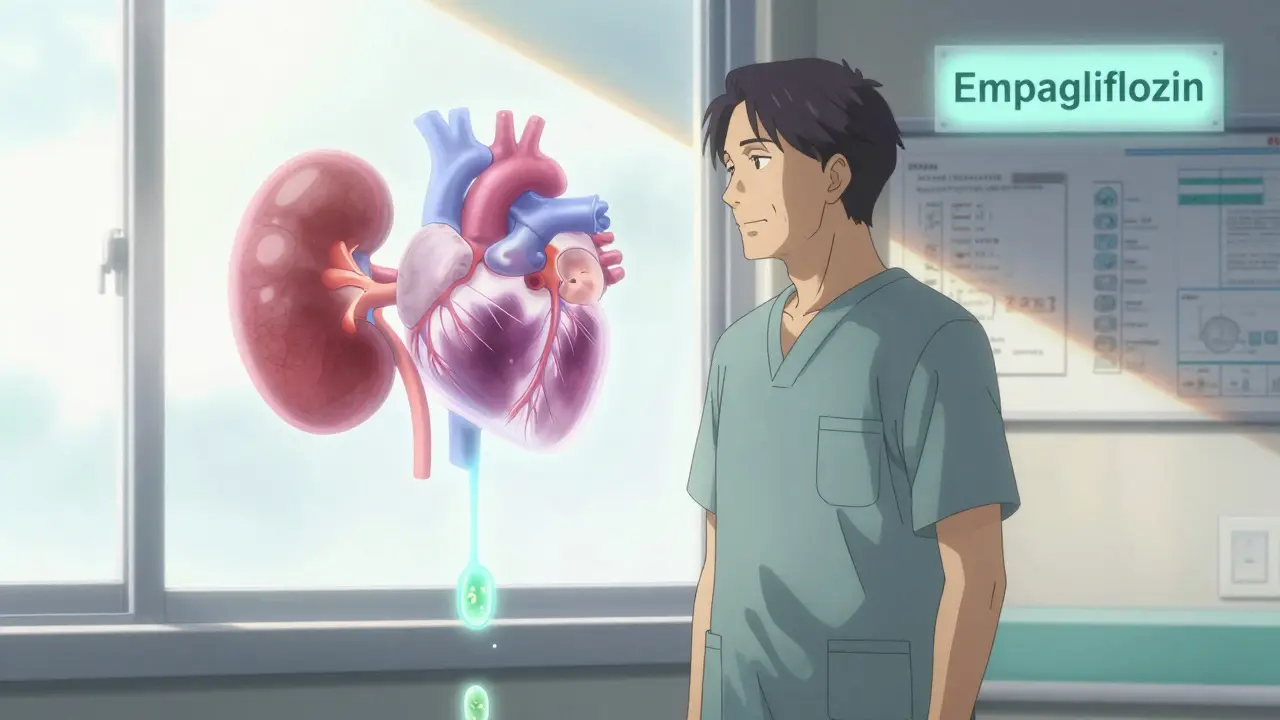
- SGLT2 inhibitors (like dapagliflozin)-these make your kidneys flush out extra sugar through urine. They also help protect your heart and kidneys.
These aren’t just sugar-lowering drugs. Many of them actually protect your heart and kidneys. That’s why experts now recommend them early, especially if you have other risks like high blood pressure or heart disease.
3. Monitor Your Numbers
You can’t manage what you don’t measure. The HbA1c test gives you a 3-month average of your blood sugar. Most doctors aim for under 7%. But your goal should be personal. If you’re older or have other health issues, 7-8% might be safer to avoid low blood sugar.
Continuous glucose monitors (CGMs) are becoming more common-even for type 2. They show real-time trends, so you can see how food, stress, or sleep affects your sugar. In the US, CGM use among Medicare users jumped from 1.2% in 2017 to 12.7% in 2022. It’s starting to happen in the UK too.
Can Type 2 Diabetes Be Reversed?
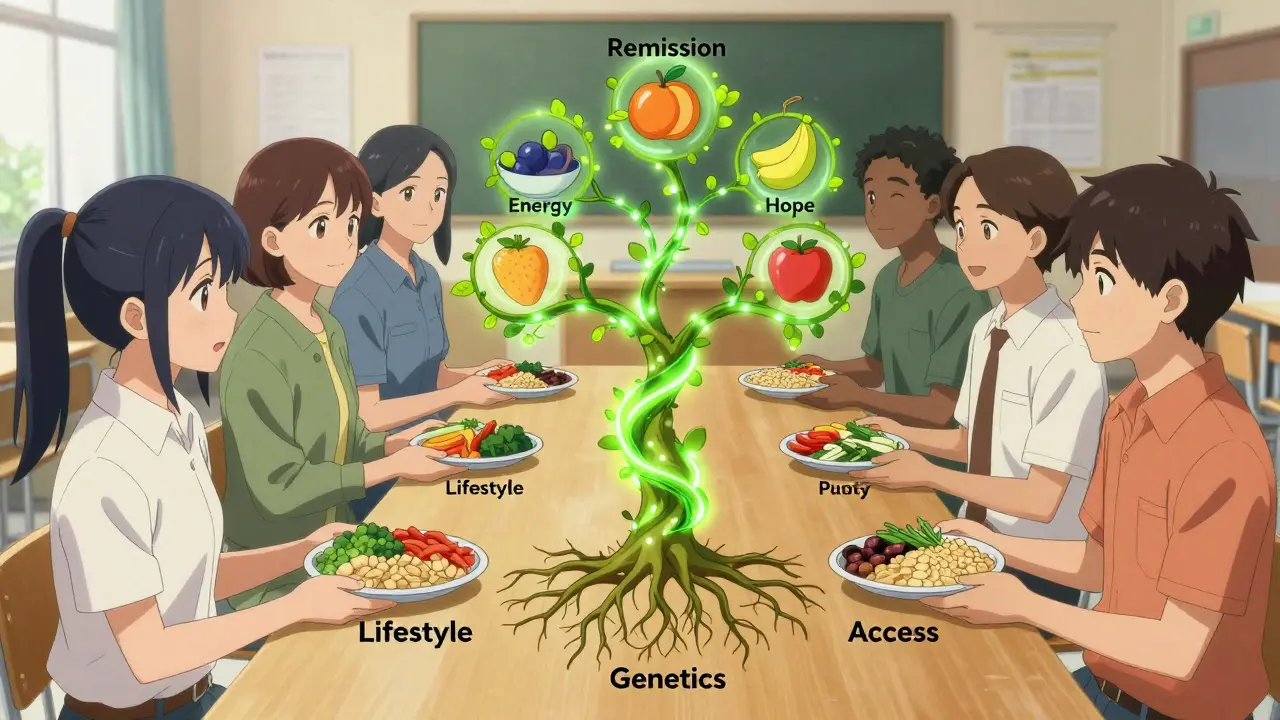
Yes. And not just "managed." Real remission is possible.
The landmark DIALECT trial in 2021 showed that 46% of people with type 2 diabetes for less than 6 years went into remission after a 12-month program involving a very low-calorie diet (825-850 kcal/day for 3-5 months), followed by gradual food reintroduction. Their HbA1c dropped below 6.5% without medication.
Remission doesn’t mean you’re cured. It means your blood sugar is normal without drugs. But it requires lasting lifestyle changes. If you go back to old habits, it can come back.
It’s not about being perfect. It’s about building habits that stick. A 5% weight loss. Walking every day. Cutting out sugary drinks. These small steps add up.
What’s Changing in 2026?
Diabetes care is evolving fast. New drugs like tirzepatide (Mounjaro), a dual GIP/GLP-1 agonist, can lower HbA1c by over 2% and help people lose 11-15 kg. Hybrid closed-loop insulin systems-once only for type 1-are now approved for type 2 and can automatically adjust insulin based on real-time glucose readings.
But the biggest breakthrough might be accessibility. In the UK, the NHS is expanding access to structured weight management programs and digital coaching. More people are getting free CGMs, and community health workers are helping those in underserved areas.
Still, the biggest barrier isn’t technology-it’s inequality. People with lower incomes, less education, or poor access to healthy food are far more likely to develop and suffer from diabetes. Addressing that is the next frontier.
What Should You Do Today?
Don’t wait for symptoms to get worse. Don’t wait for a doctor to bring it up. Here’s your action plan:
- Get your HbA1c tested if you’re over 40, overweight, or have a family history.
- If you’re prediabetic (HbA1c 5.7-6.4%), join a prevention program. The NHS offers free lifestyle change programs.
- Start walking 30 minutes a day, five days a week.
- Swap sugary drinks for water, tea, or sparkling water.
- Get a blood pressure check. High blood pressure often goes hand-in-hand with insulin resistance.
- If you’re already diagnosed, don’t panic. You’re not alone. Work with your doctor to create a plan that fits your life-not the other way around.
Type 2 diabetes is serious, but it’s not a death sentence. It’s a signal-your body is asking you to change. And with the right steps, you can take back control.
Can you get type 2 diabetes if you’re not overweight?
Yes. While obesity is the biggest risk factor, about 10-15% of people with type 2 diabetes are at a normal weight. This is often called "TOFI"-thin outside, fat inside. These people have excess fat around their organs, especially the liver and pancreas, which causes insulin resistance. Genetics, lack of movement, and poor diet can all play a role-even without visible weight gain.
Is type 2 diabetes hereditary?
Genetics play a strong role. If one parent has type 2 diabetes, your risk increases by about 40%. If both parents have it, your risk can be over 70%. But genes aren’t destiny. Even with a strong family history, lifestyle changes can delay or prevent the disease. You can inherit a tendency, but you don’t inherit the disease itself.
Do I need to take insulin if I have type 2 diabetes?
Not at first. Most people start with metformin or other oral meds. But over time, as the pancreas loses insulin-producing cells, insulin may become necessary. About 30% of people with type 2 diabetes will eventually need insulin, usually after 10-15 years. Needing insulin doesn’t mean you failed-it means your body’s changed. Insulin is a tool, not a punishment.
Can I eat carbs if I have type 2 diabetes?
Yes-but choose the right kinds. Whole grains, legumes, vegetables, and fruits are fine in controlled portions. Avoid white bread, pastries, sugary cereals, and processed snacks. The key is pairing carbs with protein or fat to slow sugar absorption. A small portion of brown rice with chicken and broccoli is better than a plain bagel. Monitor how your body responds.
What’s the best way to check my blood sugar at home?
For most people, a standard glucometer (finger-prick test) is enough. Test fasting in the morning and 2 hours after meals to see how food affects you. If you’re on insulin or have trouble managing highs and lows, a continuous glucose monitor (CGM) gives more detailed trends. CGMs are now available on NHS prescription for some people with type 2 diabetes, especially if they’re on insulin or have frequent low blood sugar episodes.
Can weight loss really reverse type 2 diabetes?
Yes-especially if you’ve had it for less than 6 years. Losing 10-15% of your body weight through structured programs (like very low-calorie diets under medical supervision) has led to remission in nearly half of participants in clinical trials. Even losing 5-7% can dramatically improve insulin sensitivity and lower HbA1c. It’s not about extreme diets-it’s about sustainable change.
Is type 2 diabetes reversible after 10 years?
Remission is harder after 10 years, but still possible. The longer you’ve had high blood sugar, the more damage is done to your pancreas. But even if you can’t fully reverse it, you can still significantly improve your health. Losing weight, moving more, and taking the right medications can prevent complications, reduce medication needs, and help you live longer, healthier.
How does alcohol affect type 2 diabetes?
Alcohol can cause unpredictable blood sugar swings. Sugary drinks like beer or cocktails raise blood sugar. Pure spirits like vodka or whiskey can lower it, especially if you’re on insulin or sulfonylureas, increasing the risk of dangerous lows. If you drink, do so in moderation-no more than 1 drink per day for women, 2 for men-and always with food. Avoid sweet mixers. Water or soda water with a splash of lime is better.
Angel Wolfe
February 27, 2026 AT 14:38They don't want you cured because cured people don't buy meds
They're hiding the real cause - glyphosate in our food and water
Look up the studies they don't want you to see
Sophia Rafiq
February 28, 2026 AT 20:54My HbA1c dropped from 6.1 to 5.5 in 4 months
Simple stuff works if you stick with it
Brandie Bradshaw
March 1, 2026 AT 01:43The medical establishment's fixation on pharmacological intervention obscures the deeper epigenetic and environmental triggers that have evolved over decades of processed food consumption and sedentary urban living
Miranda Anderson
March 2, 2026 AT 01:14I was diagnosed at 38 after my mom passed away
My cortisol was through the roof, I was eating junk food to cope, and I didn't even realize how connected it all was
It's not just about food and exercise
It's about how we're living our lives
My doctor never asked me about sleep or trauma
Just 'cut out sugar' like it's that simple
Gigi Valdez
March 2, 2026 AT 12:02However, structural barriers such as food deserts, lack of paid time off for exercise, and inadequate healthcare access prevent equitable implementation
Personal responsibility narratives ignore systemic inequities that disproportionately affect marginalized communities
Sneha Mahapatra
March 2, 2026 AT 15:55My liver fat is high, my pancreas is tired, and I walk 10k steps daily
It's not about weight
It's about how your body works
And yes, I use a CGM now and it changed my life 🙏
bill cook
March 3, 2026 AT 17:22They told me to eat whole grains and now I'm on metformin
They told me to count calories and now I'm hungry all the time
What if the whole thing is backwards?
Byron Duvall
March 5, 2026 AT 08:50And then they'll charge you $500 a month for a CGM
And meanwhile, the real solution is to stop eating government-subsidized corn syrup
But nobody's talking about that