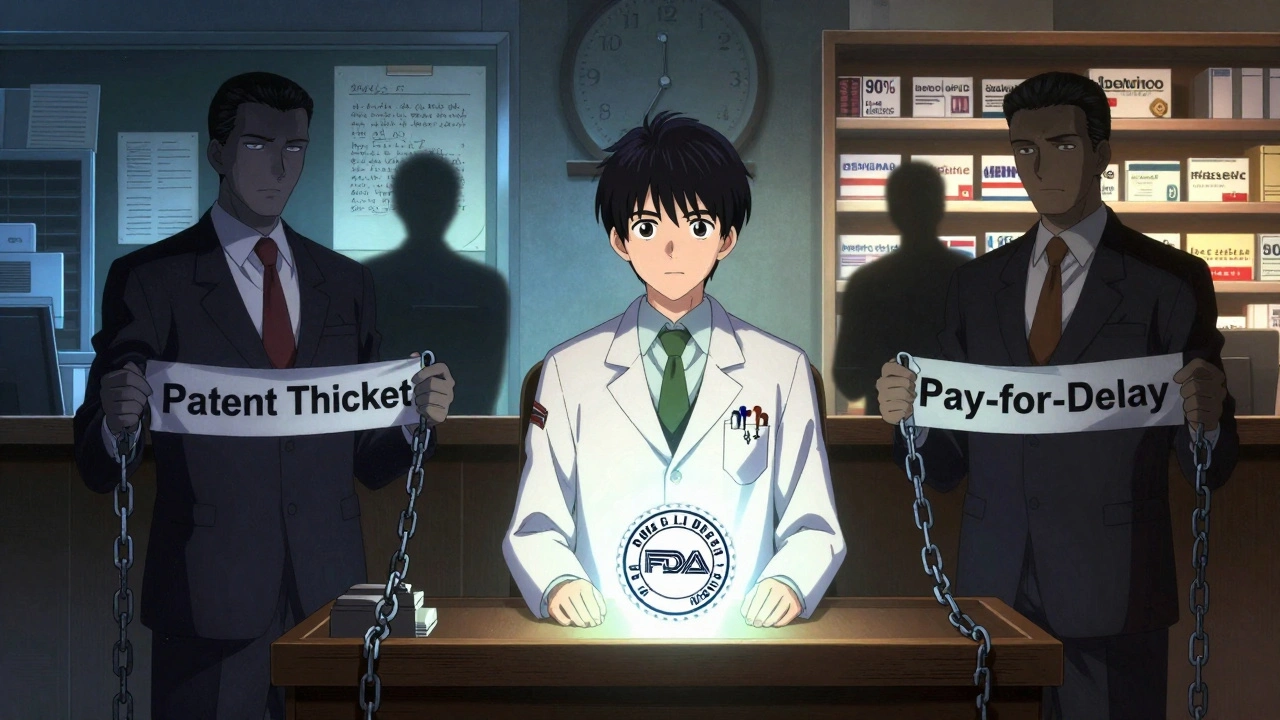
The Hatch-Waxman Act didn’t just change how drugs are approved in the U.S.-it rewrote the rules of the entire pharmaceutical market. Before 1984, getting a generic drug to patients was slow, expensive, and often legally blocked. Today, 9 out of 10 prescriptions filled in America are for generics. That shift didn’t happen by accident. It was built on a 1984 law that balanced two powerful interests: protecting innovation and lowering drug prices. This is the story of how the Hatch-Waxman Act made affordable medicine possible-and why it’s still under fire today.
What the Hatch-Waxman Act Actually Did
The full name of the law is the Drug Price Competition and Patent Term Restoration Act of 1984. It’s named after its two sponsors: Representative Henry Waxman and Senator Orrin Hatch. But its real power lies in two simple, brilliant ideas. First, it created a fast-track path for generic drugs to get FDA approval without repeating expensive clinical trials. Second, it gave brand-name drug makers extra patent time to make up for the years they lost waiting for FDA review. Before this law, generic companies couldn’t even test their versions of a drug until the patent expired. The 1984 Supreme Court case Roche v. Bolar ruled that testing a patented drug before expiration was illegal. That meant a drug company could sit on a patent for 20 years, and the generic version wouldn’t even be ready to launch until years after the patent ended. The Hatch-Waxman Act flipped that. It said: go ahead and test now. Just don’t sell until the patent runs out. That’s called the "safe harbor" provision-and it’s why generics can hit the market within months of patent expiration today.The ANDA: The Engine of Generic Drug Approval
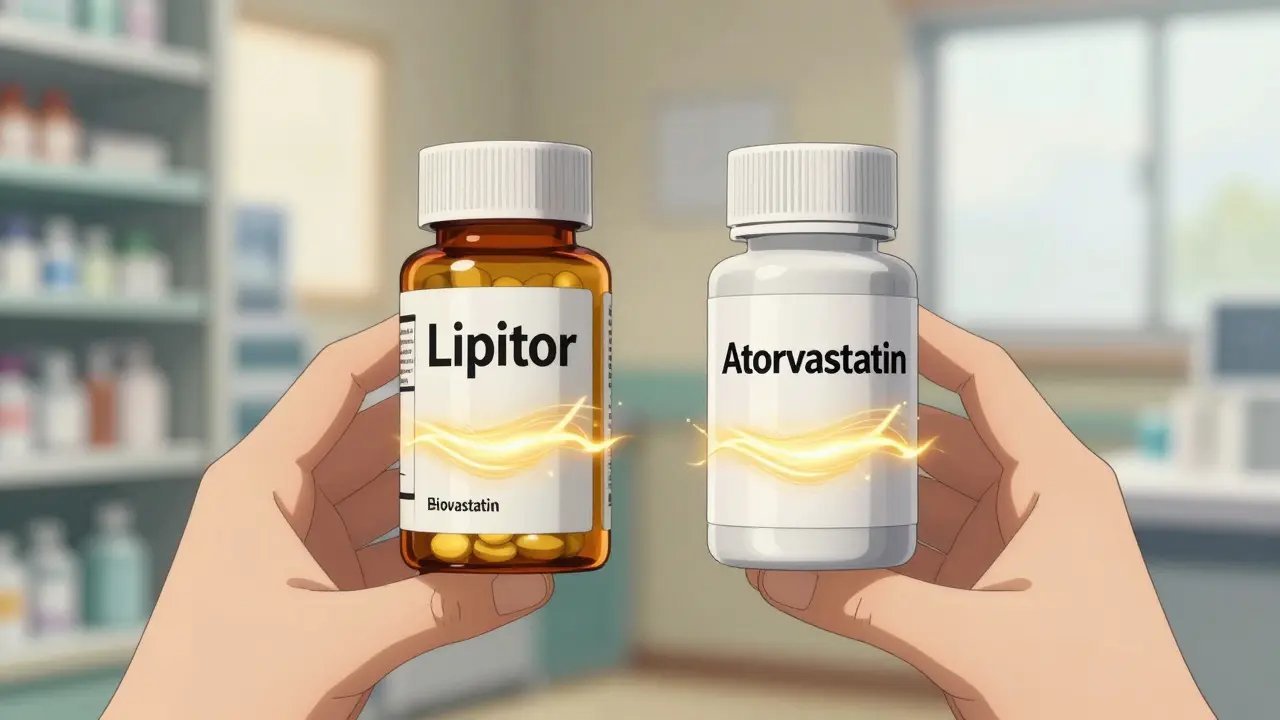
The key tool the Act created is the Abbreviated New Drug Application, or ANDA. Instead of proving a drug is safe and effective from scratch-like brand-name companies do-generic makers only need to prove their version is bioequivalent. That means it delivers the same amount of active ingredient into the bloodstream at the same rate as the original. No need for large patient trials. No need to repeat years of safety studies. The FDA estimates this cuts development costs by about 75%. That’s why a generic version of a drug that costs $1,000 per month can drop to $20 within six months of approval. In 1984, fewer than 10 generic drugs were approved each year. By 2019, that number was over 770. Today, 90% of all prescriptions in the U.S. are filled with generics. But they only make up about 18% of total drug spending. That’s a $313 billion annual savings for the U.S. healthcare system, according to the Association for Accessible Medicines.Patent Term Restoration: Why Brand Drugs Stay Protected Longer
The Act didn’t just help generics. It also gave brand-name companies a way to recover time lost during FDA review. Drug development takes years. The FDA doesn’t approve a drug until it’s been tested for safety and effectiveness. That process can take 5 to 10 years. But patents last only 20 years from the date they’re filed-often before clinical trials even begin. So by the time a drug hits the market, it might have only 7 or 8 years of patent life left. Hatch-Waxman allowed innovators to apply for up to 5 years of patent extension, with a cap of 14 years of total market exclusivity after approval. The average extension granted has been just over 2.5 years. That sounds fair-until you realize companies started stacking patents. A single drug might have one patent on the active ingredient, another on the pill coating, another on how it’s taken, another on the packaging. In 1984, the average drug had 3.5 patents. By 2016, that number jumped to 2.7 per drug. Today, some drugs have over 14 patents listed in the FDA’s "Orange Book." This is called a "patent thicket." And it’s one of the biggest reasons generics still face delays.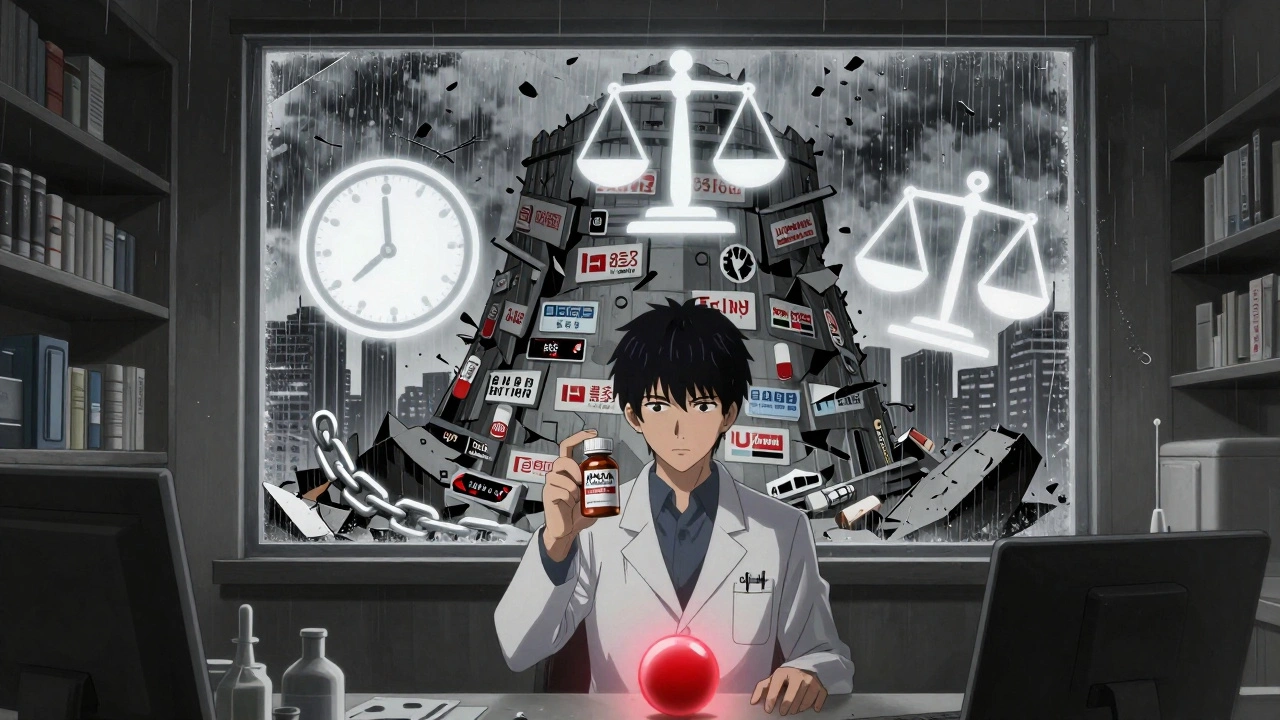
Paragraph IV Certifications and the 180-Day Exclusivity Trick
The Act gave generics a powerful weapon: the Paragraph IV certification. If a generic company believes a patent is invalid or won’t be infringed, they can file a legal challenge as part of their ANDA. This triggers a 45-day window for the brand-name company to sue. If they do, the FDA is forced to delay approval for up to 30 months. But here’s the twist: the first generic company to file a successful Paragraph IV challenge gets 180 days of exclusive market rights. No other generic can enter during that time. This created a rush. In the early 2000s, companies would camp outside FDA offices to be first to file. The FDA eventually changed the rules to allow shared exclusivity if multiple companies filed on the same day. But the incentive remains strong. For blockbuster drugs, those 180 days can mean hundreds of millions in profit.What Went Wrong: Pay-for-Delay and Product Hopping
The system was designed to encourage competition. But over time, both sides found ways to game it. The most infamous abuse is "pay-for-delay." That’s when a brand-name company pays a generic company to delay launching its cheaper version. Between 2005 and 2012, about 10% of all patent challenges ended in these deals. The FTC says these settlements cost consumers $3.5 billion a year in higher prices. Another tactic is "product hopping." A brand company makes a tiny change to its drug-like switching from a pill to a capsule-and then files a new patent. Suddenly, the original drug is no longer the "reference listed drug" for generics. That means new generics can’t use the old version as a benchmark. They have to start over. This happened with drugs like Nexium and OxyContin. The result? Patients get a slightly different version at the same high price.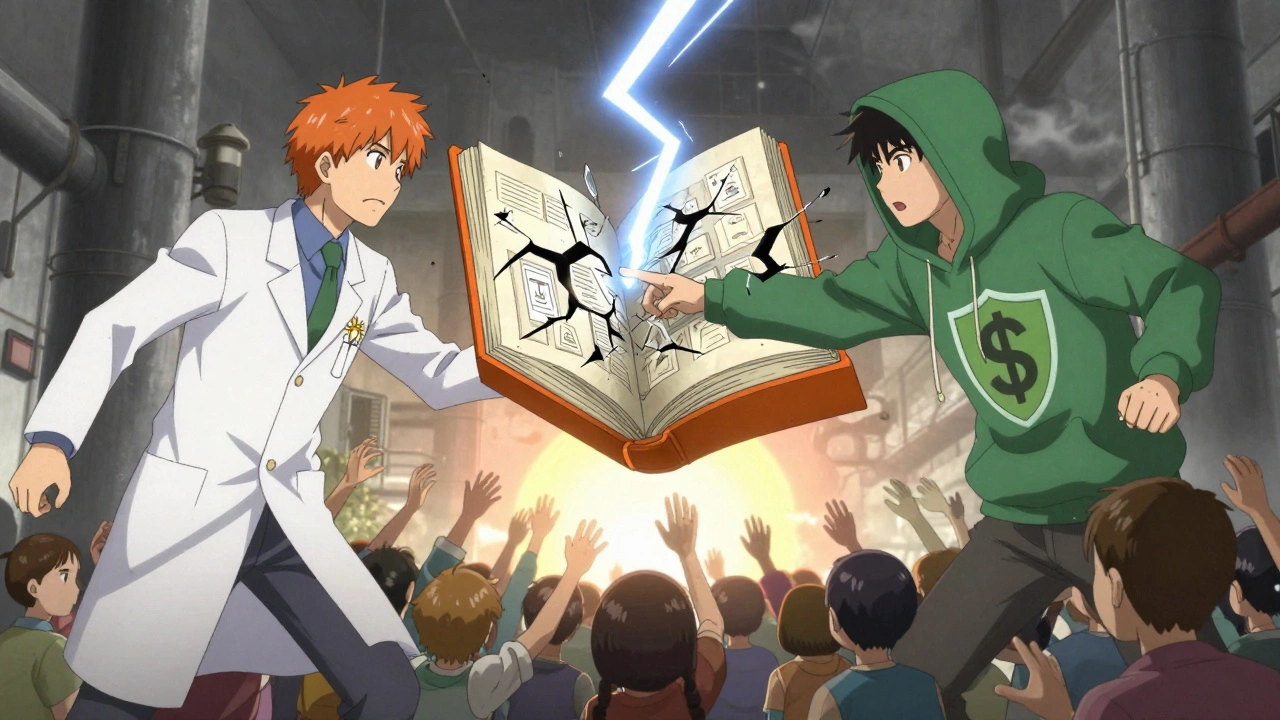
How the System Is Being Fixed
The problems didn’t go unnoticed. In 2022, Congress passed the CREATES Act to stop brand companies from blocking generic manufacturers from getting samples of the drug needed for testing. In 2023, the House passed the Preserve Access to Affordable Generics Act, which would ban pay-for-delay deals outright. The FDA is also cracking down on improper patent listings. In 2022, it released new guidance to prevent companies from listing patents that don’t actually cover the drug’s use. The Generic Drug User Fee Amendments (GDUFA), first introduced in 2012, have also helped. Generic companies now pay fees to the FDA, which uses the money to hire more reviewers. As a result, ANDA review times dropped from 36 months to just 10 months on average. The goal under GDUFA IV is to get that down to 8 months by 2025.Why It Still Works-Even With Flaws
Critics say the Hatch-Waxman Act is broken. And they’re right in some ways. But without it, we wouldn’t have the generic drug system we have today. Before 1984, generics were rare. After, they became the backbone of affordable care. The Congressional Budget Office estimates the Act saved $1.18 trillion between 1991 and 2011. Even with patent thickets and pay-for-delay deals, generics still cut prices to 15% of the brand-name cost within six months of launch. The real issue isn’t the law itself-it’s how it’s been twisted. The original compromise was elegant: give innovators time to profit, give generics a clear path to compete. Today, that balance is off. But the framework still works. The fix isn’t to scrap Hatch-Waxman. It’s to close the loopholes.What’s Next for Generic Drugs?
The next few years will be critical. If the 2023 bill banning pay-for-delay becomes law, it could save an extra $45 billion a year by 2030, according to Evaluate Pharma. But there’s a risk. Too many restrictions could scare off innovation. Japan tried a similar reform in 2018-and saw a 34% drop in new drug approvals. The U.S. can’t afford to lose its pipeline of new medicines. The future of generic drugs depends on smart, targeted changes-not a full overhaul. Better patent review. Faster FDA decisions. Stronger penalties for abuse. And more transparency in the Orange Book. The system isn’t perfect. But it’s the best we’ve got. And for millions of Americans who can’t afford brand-name drugs, it’s the only thing standing between them and financial ruin.What is the Hatch-Waxman Act?
The Hatch-Waxman Act, officially the Drug Price Competition and Patent Term Restoration Act of 1984, is a U.S. law that created a pathway for generic drugs to enter the market faster by allowing them to prove bioequivalence instead of repeating full clinical trials. It also gave brand-name drug companies extra patent time to make up for delays in FDA approval.
How do generic drugs get approved under Hatch-Waxman?
Generic manufacturers submit an Abbreviated New Drug Application (ANDA) to the FDA. They don’t need to prove safety or effectiveness again. Instead, they must show their drug is bioequivalent to the original brand-name drug-the reference listed drug. This process cuts development time and cost by about 75%.
What is a Paragraph IV certification?
A Paragraph IV certification is a legal statement made by a generic drug applicant that claims a patent listed in the FDA’s Orange Book is invalid or won’t be infringed. This triggers a 45-day window for the brand-name company to sue. If they do, FDA approval is automatically delayed for up to 30 months.
Why do some generic drugs take years to launch after a patent expires?
Brand-name companies often file dozens of secondary patents on minor changes-like dosage form or packaging-to create "patent thickets." These lead to long legal battles that delay generic entry. In some cases, litigation lasts 7 to 10 years. The 180-day exclusivity window for the first filer also creates delays as companies wait to see who wins the legal race.
What are pay-for-delay deals?
Pay-for-delay, or reverse payment settlements, occur when a brand-name drug company pays a generic manufacturer to delay launching its cheaper version. These deals keep prices high and are considered anti-competitive. The FTC estimates they cost consumers billions each year.
Has the Hatch-Waxman Act saved money for consumers?
Yes. Generic drugs account for 90% of prescriptions in the U.S. but only 18% of total drug spending. The Hatch-Waxman Act is credited with saving the U.S. healthcare system $313 billion annually in drug costs, and over $1.18 trillion between 1991 and 2011.
sagar bhute
December 3, 2025 AT 22:17The Hatch-Waxman Act is a joke wrapped in legal jargon. Brand names pay generics to stay off the market while they keep raising prices. The system is rigged and everyone knows it. 90% generics? Sure. But 90% of prescriptions are for drugs that should’ve been off patent a decade ago. This isn’t access-it’s exploitation dressed up as policy.
Vincent Soldja
December 4, 2025 AT 04:53Generic drugs save money. That’s the only point that matters.
parth pandya
December 4, 2025 AT 06:27Hey just want to add that ANDA process is way faster now thanks to GDUFA. I work in pharma quality and we used to wait 2 years for approval now its under 10 months. Big difference. Also the Orange Book cleanup is helping a lot. Still lots of abuse but its getting better. Also dont forget Indian generic makers are the real heroes here. They keep prices low globally.
Albert Essel
December 6, 2025 AT 03:08The original compromise of Hatch-Waxman was elegant: incentivize innovation while enabling competition. Today, that balance has been eroded by patent thickets and pay-for-delay settlements. The law itself isn’t broken-it’s been weaponized. Fixing the loopholes-like banning reverse payments and limiting evergreening-would restore its intent without undermining R&D. The system still works. It just needs enforcement.
Gavin Boyne
December 7, 2025 AT 11:41So we created a law to make drugs affordable… and then gave pharmaceutical companies a playbook to circumvent it. Brilliant. They get 20 years of patent + 5 years extension + 14 secondary patents + pay-for-delay deals + product hopping. Meanwhile, the guy in Ohio with diabetes pays $400 for insulin because the generic company is waiting for the 180-day exclusivity window to expire. The only thing more ironic than this system is the fact that we call it a free market.
Rashi Taliyan
December 8, 2025 AT 13:30I have a cousin who takes three generics every day. One of them was delayed for five years because of a patent lawsuit. He cried when he finally got it for $12 instead of $1,200. This isn’t policy. This is life or death. And the people who profit from the delays? They don’t even know his name.
Cindy Lopez
December 8, 2025 AT 23:53It’s not that the law is flawed-it’s that the FDA lacks the resources to enforce it properly. The agency is understaffed and underfunded. Meanwhile, pharma lawyers have teams of 50 people working on patent strategies. No wonder generics get stuck. Fix the agency, not the law.
James Kerr
December 10, 2025 AT 20:36Love this breakdown. Honestly didn’t realize how much of a game of chess this was. The 180-day exclusivity thing is wild-like a race to the courthouse with a million-dollar prize. And the fact that Indian companies are the backbone of this? Huge respect. We owe them a lot. 🙏
shalini vaishnav
December 12, 2025 AT 08:59Why are we even talking about this? India produces 40% of the world’s generics. The U.S. system is a mess because Americans are too lazy to import directly. Stop pretending this is a legal problem-it’s a cultural one. We’d rather pay $1000 for a pill than wait a week for a cheaper one from abroad. Weakness disguised as patriotism.
vinoth kumar
December 13, 2025 AT 22:59Just want to say thank you to everyone who worked on GDUFA and the CREATES Act. The FDA reviewers are working miracles with what they’ve got. And shoutout to the Indian labs-my mom’s blood pressure med went from $150 to $8 after a generic launched. That’s real change. We need more transparency in the Orange Book, but the foundation is solid. Let’s fix the cracks, not tear it down.