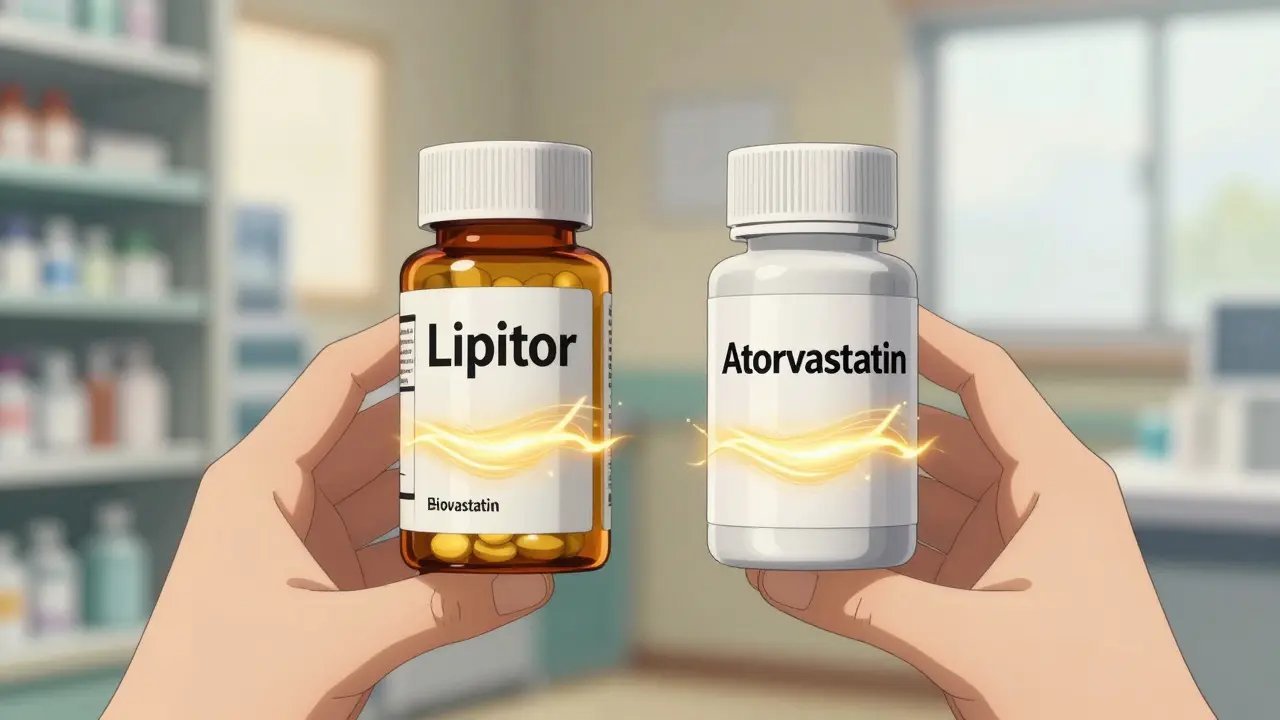
When your doctor prescribes a medication, you might see the brand name on the prescription-like Lyrica or Lipitor. But when you pick it up at the pharmacy, the bottle often says something completely different: pregabalin or atorvastatin. That’s not a mistake. It’s a generic drug. And here’s the truth: generic drugs are not cheaper because they’re worse. They’re cheaper because the system is designed to save you money-without cutting corners on safety or effectiveness.
What Exactly Is a Generic Drug?
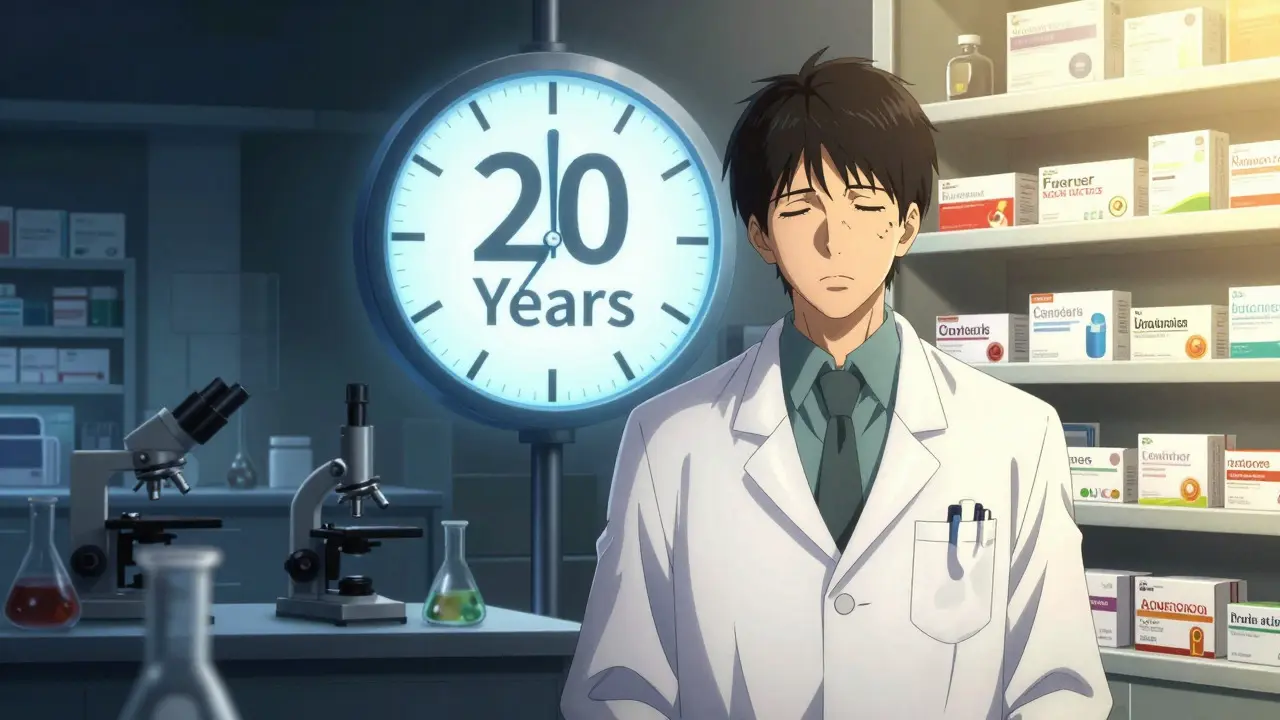
A generic drug is the exact same medicine as the brand-name version, just sold without the fancy packaging or marketing. It has the same active ingredient, the same strength, the same shape, and the same way it’s taken-whether it’s a pill, injection, or cream. The FDA requires that generics work the same way in your body. That means if you take 10 mg of generic atorvastatin, it will lower your cholesterol just as effectively as the brand-name Lipitor. You might wonder: if it’s the same, why does the brand name cost 10 to 20 times more? The answer is simple: brand-name companies spend billions developing the drug and then patent it for 20 years. During that time, they’re the only ones allowed to sell it. Once the patent expires, other companies can make the same drug. They don’t need to repeat expensive clinical trials. They just need to prove their version works the same way. That’s where the FDA’s Abbreviated New Drug Application, or ANDA, comes in.The ANDA Process: How the FDA Approves Generics
The ANDA is the official pathway the FDA uses to approve generic drugs. It’s called “abbreviated” because it skips the long, costly clinical trials that brand-name drugs go through. Instead, generic manufacturers focus on two things: pharmaceutical equivalence and bioequivalence. Pharmaceutical equivalence means the generic has the same active ingredient, strength, dosage form, and route of administration as the brand. If the brand is a 20 mg tablet you swallow, the generic must be a 20 mg tablet you swallow. No exceptions. Bioequivalence is where things get technical-but you don’t need to understand the science to trust it. Here’s what matters: the FDA tests whether your body absorbs the generic drug at the same rate and in the same amount as the brand. They do this by giving the drug to 24 to 36 healthy volunteers and measuring how much of the medicine enters the bloodstream over time. The generic’s absorption level must fall within 80% to 125% of the brand’s. That’s not a wide gap-it’s a tight, scientifically proven range. If it doesn’t meet this standard, the FDA rejects it. The entire application can be thousands of pages long, covering everything from how the pill is made to how it’s packaged. The FDA inspects the manufacturing facility, too. These aren’t shady labs. They’re held to the same strict standards-called cGMP-as the companies making brand-name drugs. In 2022, the FDA inspected over 1,500 generic drug plants worldwide. About 22% of those inspections found issues, but those companies had to fix them before approval.Why You Can Trust Generic Drugs
Many people worry that generics are “lesser.” But here’s what the data says: in 2023, 90% of all prescriptions filled in the U.S. were for generic drugs. And yet, they made up only 23% of total drug spending. That’s a $2.2 trillion savings over the last decade, according to former FDA director Dr. Janet Woodcock. Patients who use generics report high satisfaction. A 2022 FDA study of 2,500 people found that 87% were happy with their generic medication. Pharmacists, who see patients daily, overwhelmingly recommend generics. A 2022 survey of community pharmacists showed 94% always or usually suggest them when available. Even for drugs where small changes can matter-like blood thinners (warfarin) or thyroid meds (levothyroxine)-the FDA still approves generics. Yes, some patients report feeling different after switching between generic brands. That’s rare, and usually tied to inactive ingredients (like fillers or dyes), not the medicine itself. If you notice a change, talk to your doctor or pharmacist. But don’t assume the generic doesn’t work. It does.What About Complex Drugs?
Not all drugs are easy to copy. Inhalers, nasal sprays, eye drops, and topical creams are harder because how they’re delivered affects how they work. For example, the first generic version of the EpiPen-used in life-threatening allergic reactions-wasn’t approved until September 2023, after 15 years of effort. Why? Because making a generic inhaler that delivers the same amount of medicine to the lungs as the original is incredibly complex. These “complex generics” make up only about 15% of applications but cause nearly 40% of FDA review delays. The FDA launched a special initiative in 2023 to help manufacturers navigate these challenges. They’ve released 18 new guidance documents to clarify what’s needed. The goal? More options, faster.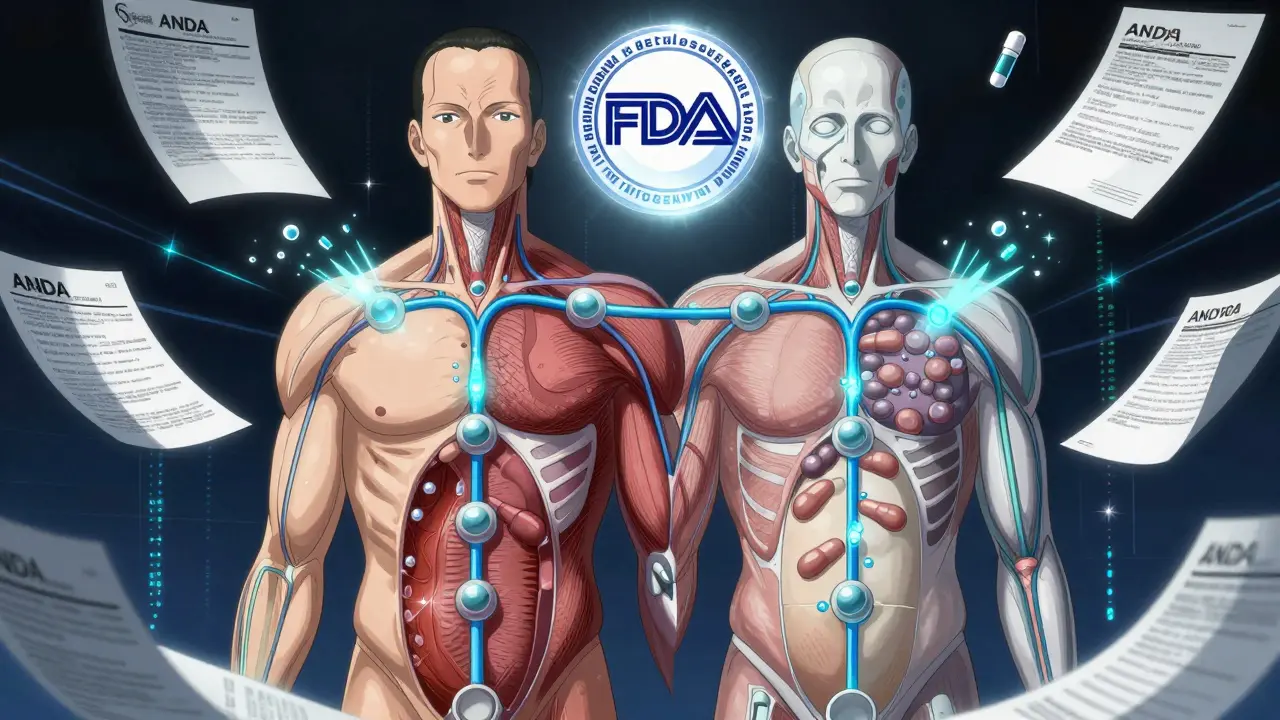
How Long Does It Take?
For a simple pill, the FDA aims to review an ANDA within 10 months. But if the drug is complex, or if the company has to fix issues raised by the FDA, it can take 24 months or more. That’s why some generics hit the market quickly after a patent expires, while others take years. The first company to file an ANDA for a generic drug gets 180 days of exclusive sales rights. That’s why you’ll sometimes see multiple generic versions come out at once-companies race to be first. That competition drives prices down even further.Who Makes These Drugs?
Most generic drugs sold in the U.S. are made overseas. Over 70% of the active ingredients come from India and China. But here’s the key point: the FDA inspects those factories too. They send inspectors to over 30 countries every year. If a facility fails inspection, the FDA blocks the drug from entering the U.S. market. That’s not just policy-it’s enforcement. The biggest generic manufacturers in the U.S. are Teva, Viatris, and Amneal. But there are over 150 companies making generics. And more are entering the market every year.What’s Next?
The FDA is starting to use artificial intelligence to help review applications faster. By 2025, AI tools will flag potential issues in paperwork before a human reviewer even looks at them. That means fewer delays and more generics on shelves. Congress is also looking at ways to stop brand-name companies from blocking generics. Some use legal tricks-like filing dozens of small patents-to delay competition. The CREATES Act, passed in 2020, was meant to stop that. But enforcement is still evolving.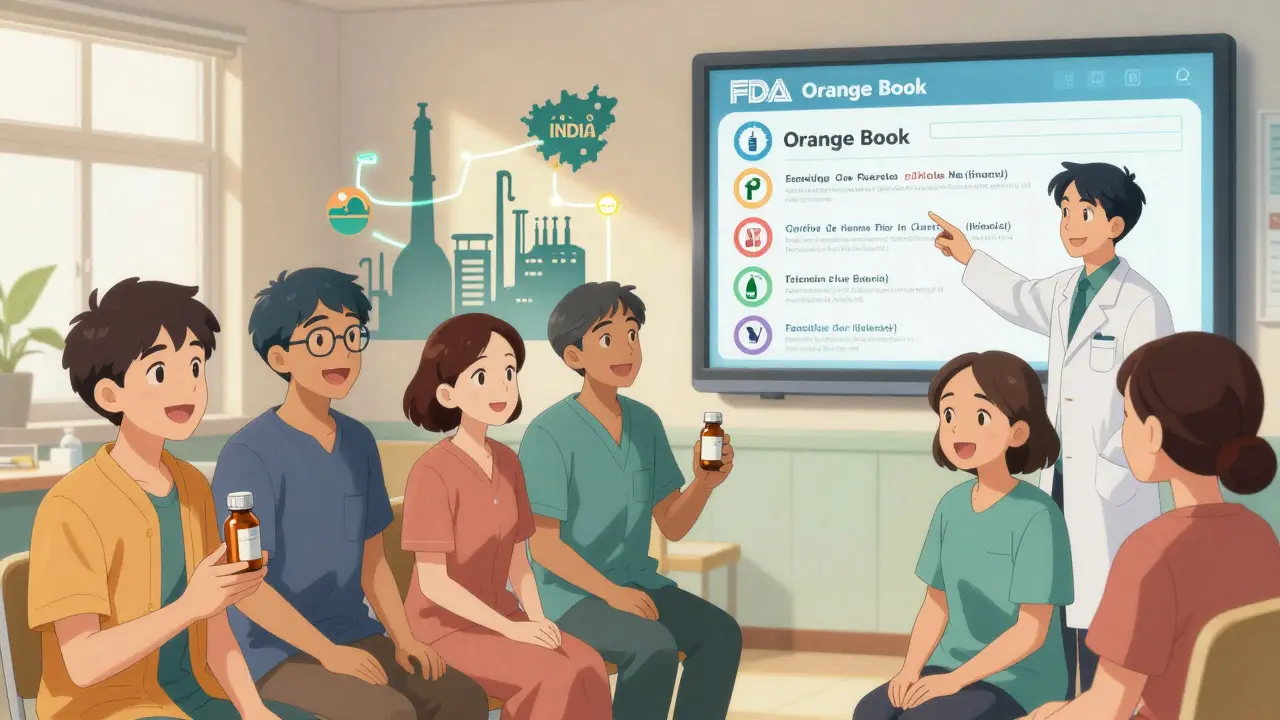
What Should You Do?
If your doctor prescribes a brand-name drug, ask: “Is there a generic version?” If you’re paying cash, the generic could be $10 instead of $150. If you’re on insurance, your co-pay might be the same-but the plan saves money, which helps keep premiums lower. If you’ve had a bad experience switching generics-say, you felt dizzy or your condition changed-don’t ignore it. Talk to your pharmacist. They can check if you switched between different generic makers. Sometimes, sticking with the same generic brand helps. And if you’re ever unsure whether a generic is safe? Check the FDA’s website. They list every approved generic drug in the Orange Book. You can search by brand name and see exactly which generics are approved and when.Frequently Asked Questions
Are generic drugs as safe as brand-name drugs?
Yes. The FDA requires generic drugs to meet the same safety and quality standards as brand-name drugs. They must contain the same active ingredient, work the same way in the body, and be made in facilities that pass the same inspections. Over 90% of prescriptions in the U.S. are for generics, and patient satisfaction rates are high.
Why do generic drugs look different from brand-name drugs?
By law, generics can’t look exactly like the brand-name version. That’s to avoid confusion. So the shape, color, or packaging might be different-but the active ingredient is identical. The differences are only in inactive ingredients like dyes or fillers, which don’t affect how the drug works.
Can I switch between different generic brands?
For most people, yes. But for drugs with a narrow therapeutic index-like warfarin, levothyroxine, or seizure medications-small differences in absorption can matter. If you switch generics and notice changes in how you feel, talk to your doctor. You may need to stick with one manufacturer’s version.
Why are some generics so much cheaper than others?
Price depends on competition. When only one or two companies make a generic, prices stay higher. When five or six companies enter the market, prices drop sharply. That’s why the same drug might cost $4 at one pharmacy and $15 at another-it’s about how many makers are selling it and how much they’re competing.
Do generic drugs take longer to work?
No. The FDA requires generics to be bioequivalent, meaning they enter your bloodstream at the same rate and to the same extent as the brand-name drug. If the brand works in 30 minutes, the generic will too. There’s no delay built into the system.