
Making a mistake with medicine isn't just a small mix-up; it can mean the difference between healing and harm. Yet, most people stay silent when something goes wrong. You might wonder if your clinic actually cares about these details. They should. In fact, research indicates that internal reporting systems catch the vast majority of preventable issues before they cause permanent damage. Speaking up is your strongest tool for keeping yourself and others safe.
This guide walks you through exactly how to handle a safety concern within your local clinic. We cover who to talk to, what details matter most, and what you can expect once you hit send on that form. There is no need to navigate this alone.
What Counts as a Medication Safety Concern?
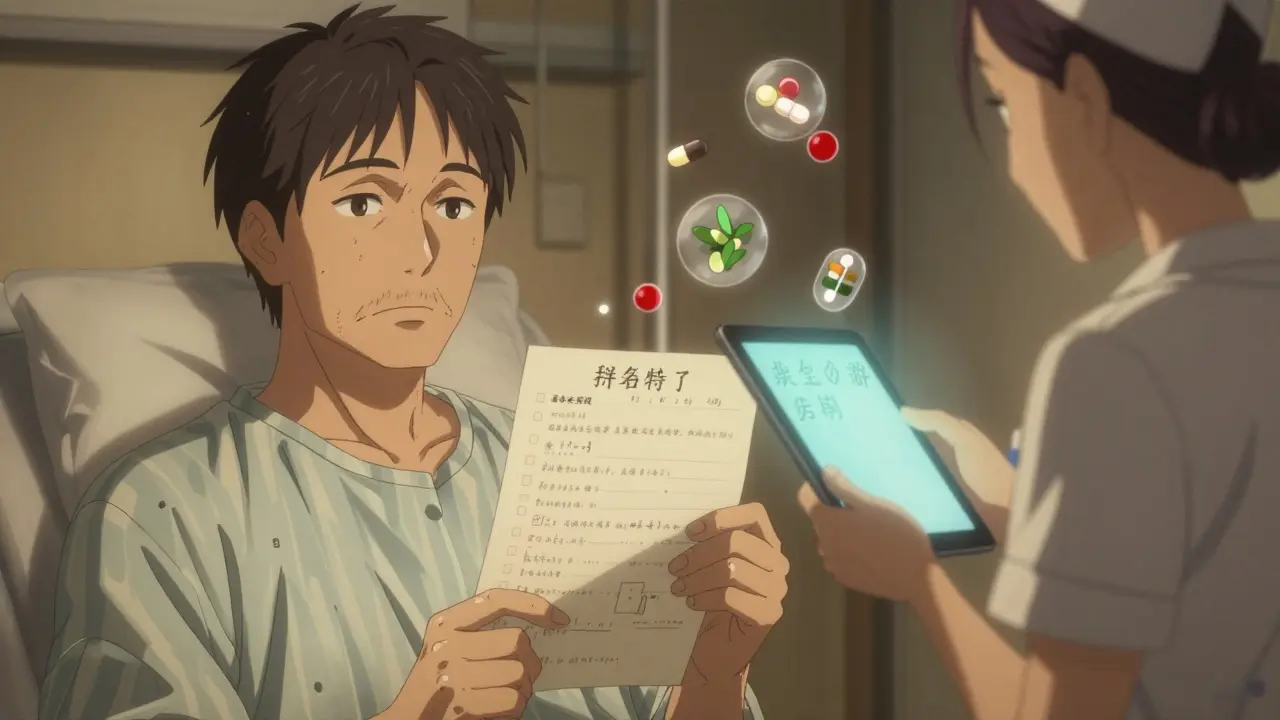
Before you pick up the phone, you need to understand what qualifies as a reportable issue. It's not always about getting the wrong pill. Medication Safety is a set of practices designed to prevent errors in prescribing, dispensing, and administering medications. A concern ranges from a serious reaction to a "near miss" where a mistake happened but didn't reach you.
- Administration Errors: You received the dose too early, too late, or at the wrong strength.
- Prescription Issues: The written order conflicts with your history or allergies.
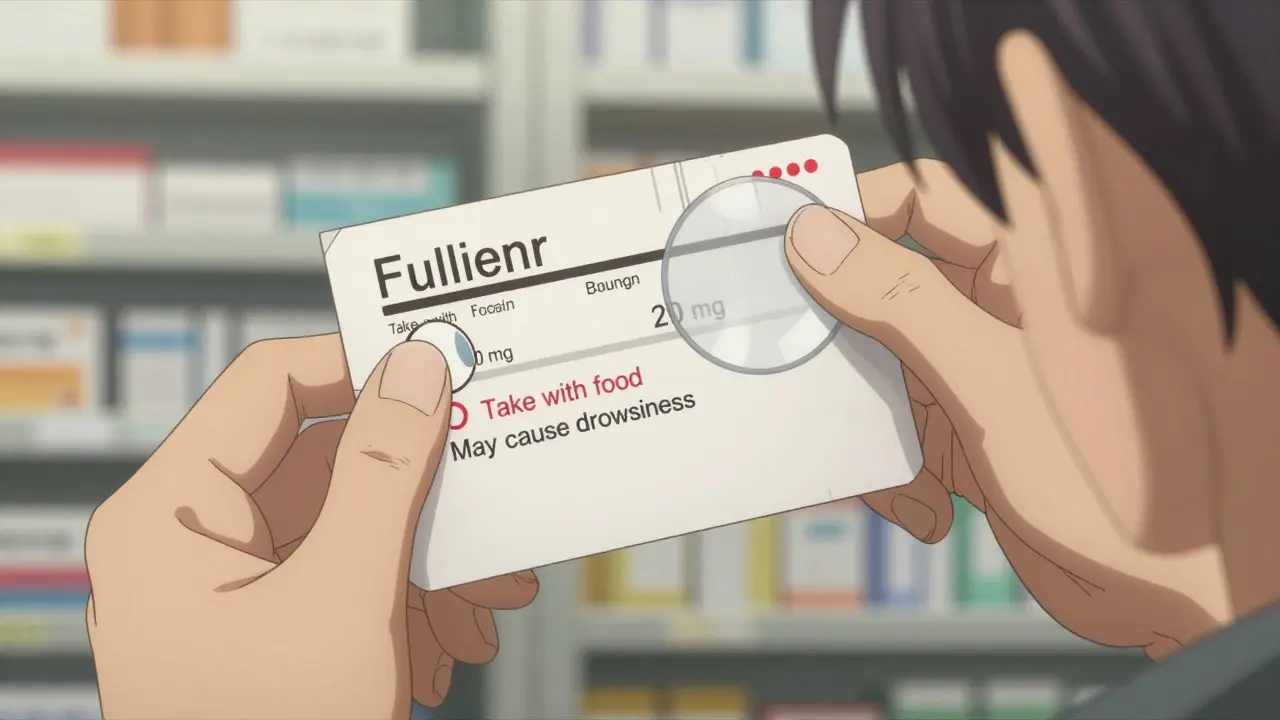
- Labeling Problems: The bottle looks confusing, or the print is illegible.
- Near Misses: A staff member almost picked up the wrong box but caught it themselves.
Safety experts often use a scale to measure severity, but for you, any deviation from the plan is worth noting. International safety data suggests that capturing even minor workflow interruptions helps facilities fix broken systems before a tragedy occurs.
Identifying the Right Person to Contact
Walking into a reception area and shouting "Something went wrong!" rarely works well. Clinics have specific roles for handling these situations. Finding the right contact speeds up the resolution significantly.
| Channel | Best Used For | Expected Response Time |
|---|---|---|
| Front Desk Staff | Routine clarifications or handing in forms | 24 Hours |
| Patient Safety Officer | Direct reporting of critical errors | Within 2 Hours |
| Online Patient Portal | Written records, attaching photos | Automated Acknowledgement |
| Dedicated Hotline | Anonymized reporting or urgent concerns | Immediate Connection |
Most accredited clinics are required to have a designated Patient Safety Officer whose job is specifically to review incidents. This person operates differently than your GP or nurse practitioner. Their goal is system analysis, not just fixing one patient's prescription. Asking for this role directly ensures your report enters the formal tracking system rather than being treated as general feedback.
Preparing Your Documentation Beforehand
You won't get a chance to speak if you arrive empty-handed. Good reporting relies on concrete evidence. Memory fades quickly, especially under stress. Before you go into the office, gather the following details:
- Patient Details: Have your medical record number and date of birth ready. This links the incident to your specific file immediately.
- Medication Specifics: Write down the name, the prescribed dose, and the dose you actually received. If you took a photo of the packaging, keep it handy.
- Timeline: Note the exact time the medication was administered versus when it should have been given.
- Witnesses: Did anyone else see what happened? Were you alone?
A study by ECRI Institute found that reports containing precise timestamps and medication identifiers allow for faster root cause analysis. This detail helps the clinic prove where their system failed. It shifts the conversation from "Did you make a mistake?" to "How does our workflow prevent this next time?"

The Reporting Process Step-by-Step
Once you are prepared, the actual act of reporting takes less time than you expect. Most clinics aim to complete the intake phase within ten minutes. Here is what happens inside the clinic when you submit a concern.
Clinic Reporting Workflow typically involves three distinct stages.- Intake: You verbally explain the issue or fill out a standardized form. Electronic Health Records (EHRs) often have built-in buttons for this now. Many large systems automatically flag high-risk keywords to alert leadership instantly.
- Assessment: A safety committee reviews your data. They aren't just judging you; they are assessing the environment. Factors like lighting, staffing levels, and noise are considered.
- Feedback Loop: Regulations mandate that you receive acknowledgment of receipt. You should know that your voice was heard and logged officially.
In modern healthcare systems, the goal is immediate risk mitigation. If there is a potential threat to other patients, the clinic may pause certain activities right away. Your report triggers this protective mechanism.
Understanding Confidentiality and Non-Punitive Culture
Many patients worry that reporting an error will get a specific nurse fired or result in retaliation. Modern safety science discourages punishment for honest mistakes. Instead, it focuses on Just Culture, which distinguishes between human error and reckless behavior.
Data shows that organizations with blame-free environments receive nearly five times more reports than those with punitive policies. More reports mean more data to fix systemic holes. In the UK, bodies like the Care Quality Commission (CQC) inspect these logs to ensure clinics are genuinely improving. While individual confidentiality is respected, sharing anonymized trends is vital for national safety updates. When you report, your primary protection comes from statutory frameworks ensuring that safety data remains separate from employment files unless gross negligence occurred.
What Happens After You Submit?
Silence after reporting is the biggest frustration patients face. You deserve to know if changes were made. Effective clinics provide closure on three fronts:
- Acknowledgment: Most facilities confirm receipt within two hours.
- Investigation Results: Within 72 hours, you should receive a summary of findings.
- Action Taken: The most important part. They should explain what process changed because of your report.
Research indicates that clinics providing this feedback see higher satisfaction rates among patients. Without follow-up, trust erodes, leading to under-reporting. If you don't hear back, escalate to the clinic manager or an external regulator like the MHRA or GMC depending on the severity.

When to Escale to External Bodies
Sometimes, internal reporting hits a wall. If the clinic dismisses valid concerns or refuses to investigate, you have external avenues. The UK has robust oversight mechanisms similar to international standards.
- NHS Complaints Procedure: If your care was publicly funded, this is the first step for formal grievances.
- MHRA Yellow Card Scheme: Specifically for side effects or product defects.
- Care Quality Commission (CQC): Reports regarding safety failures or poor service standards.
Escalation shouldn't be your first choice, but it is necessary when patient safety remains at risk. The transition from internal to external reporting often depends on the severity of the outcome. Serious harm requires mandatory reporting to regulatory boards regardless of internal outcomes.
Common Pitfalls to Avoid
Even with good intentions, the process can stall. Avoid these common mistakes to ensure your report is effective.
- Delaying Submission: Reporting weeks later makes verification impossible. Aim for same-day submission whenever possible.
- Vague Descriptions: Saying "it hurt" isn't enough. Describe the physical sensation, timing, and specific product involved.
- Skipping the Paper Trail: Verbal complaints get lost. Always ask for a reference number or confirmation email.
- Focusing Only on Blame: Framing your report around system improvement yields better results than demanding a resignation.
Remember, the ultimate goal is a safer clinic for everyone. By focusing on the process flaws, you help close loopholes that protect future patients.
Next Steps for Action
If you have identified an issue today, do not wait for your next appointment. Prepare the evidence listed earlier and request a meeting with the Safety Officer. Keep copies of everything you submit. If you feel unsafe waiting for an internal response, contact patient advocacy groups for support. Your participation strengthens the entire healthcare network.
Do I have to report every minor mistake?
Not every single slip requires a formal report, but anything that deviates from the prescribed plan is valuable data. "Near misses" often reveal dangerous system gaps that haven't caused harm yet but could soon.
Will my medical record show that I filed a complaint?
Yes, safety reports are usually linked to your file so the provider knows your concerns. However, this is separate from clinical notes and often protected under safety quality improvement legislation.
Confidentiality ensures that your personal health info is handled securely during the investigation process.
Can I report anonymously?
Many clinics offer anonymous hotlines, especially for staff, but patient reports work best when traceable so they can give you feedback. If you choose anonymity, you may not receive updates on the outcome.
How long does the investigation take?
Initial acknowledgment is typically within 24 hours. Detailed analysis depends on complexity but standard protocol aims for a preliminary update within 72 hours.
What if the clinic ignores my report?
If internal channels fail, you can bypass them and contact external regulators like the Care Quality Commission or Medical Defence Society for guidance on further action.
Is there a time limit for reporting?
While sooner is always better for accuracy, you can report concerns long after the fact. However, immediate reporting enables quicker root cause analysis and prevents recurrence.
Monique Ball
March 28, 2026 AT 13:31Oh my goodness! You have shared such incredibly valuable information here!!! It honestly scares me a little bit to think about how many mistakes might happen quietly!!! Please let us know if anyone has ever used the Patient Safety Officer contact directly!!! I have heard so many horror stories about clinics ignoring patient concerns!!! But this guide gives actual hope for a better system working properly!!! It is so important that we keep pushing for transparency in healthcare!!! Have you noticed any differences in response times recently? I would love to hear more details about the online portal process!!! Sometimes filling out digital forms feels like talking into a void!!! Do you guys think anonymity helps people speak up more often!!! I believe honesty is always the best policy in these scary situations!!! Just remember that your voice matters so much for future patients!!! It really takes courage to report errors without fear of retaliation!!! Thank you so much for posting this life-saving guide today!!! Keep spreading the word about medication safety awareness!!! 🙏🏼
Austin Oguche
March 29, 2026 AT 11:43The section regarding documentation preparation is particularly useful for establishing a clear timeline during investigations.
Eva Maes
March 29, 2026 AT 19:08Actually most facilities do ignore near misses until someone gets hospitalized due to negligence its just how the insurance policies work behind the scenes.
gina macabuhay
March 31, 2026 AT 18:10Oh wonderful another self-congratulatory guide pretending to offer solutions when the entire system is designed to protect liability rather than lives what a joke.
walker texaxsranger
April 2, 2026 AT 17:01this is all part of the deep state surveillance tracking mechanisms embedded within electronic health records systems designed to harvest biological data under the guise of safety protocols.
Sarah Klingenberg
April 3, 2026 AT 04:39Thanks for sharing this info (: I think people get really scared to report things but maybe knowing the steps helps calm nerves.
Tommy Nguyen
April 4, 2026 AT 11:38I understand the frustration but staying engaged is the only way to drive change forward even if progress seems slow sometimes.
Shawn Sauve
April 5, 2026 AT 14:41It is good to see resources compiled like this for patient empowerment :).
Sophie Hallam
April 7, 2026 AT 10:39Perhaps there are alternative perspectives regarding data privacy that could balance security with legitimate oversight needs without jumping to conclusions.
Poppy Jackson
April 7, 2026 AT 18:45This changed everything i needed to read this because silence is truly violence against our community safety standards right now.
Debra Brigman
April 9, 2026 AT 06:27The concept of silence being violence echoes through history yet we often forget that action requires collective consciousness shifting beyond individual pain points.
Devon Riley
April 9, 2026 AT 09:05So glad you found this helpful 😊 Knowing your rights makes you stronger in medical appointments 💪.
Monique Louise Hill
April 10, 2026 AT 09:57You sound very naive if you think rights actually mean anything when corporate interests clash with human wellbeing 😤⚖️.
Jeannette Kwiatkowski Kwiatkowski
April 11, 2026 AT 11:30Look obviously none of this works unless you're wealthy enough to sue yourself out of harm's way otherwise you are just data points for quality improvement charts.
Kameron Hacker
April 12, 2026 AT 20:47You imply systemic failure serves only the poor which is a flawed argument considering regulatory capture benefits all classes equally through suppressed innovation.