Tag: generic drugs
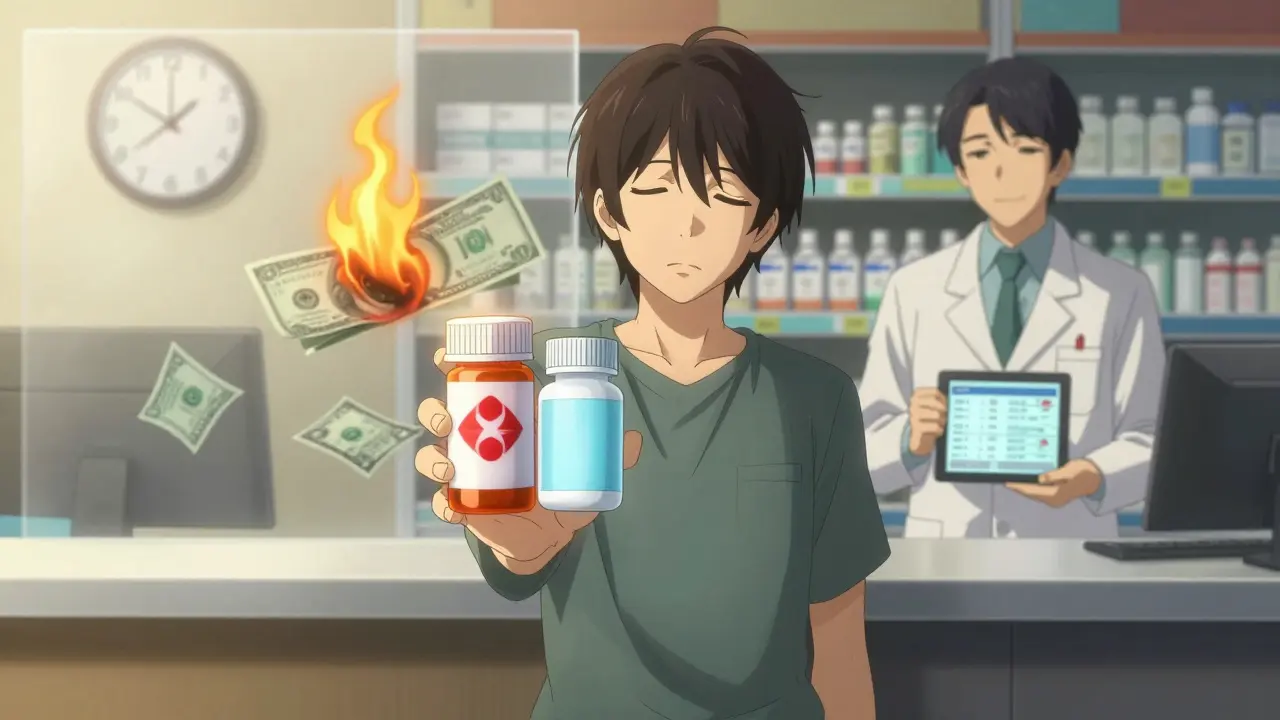
Why Generic Medications Cost Less for Patients and Insurers
Generic medications cost far less than brand-name drugs because they don’t need expensive research or marketing. They work the same, save billions annually, and can cut your prescription costs by up to 95%. Here’s how and why.
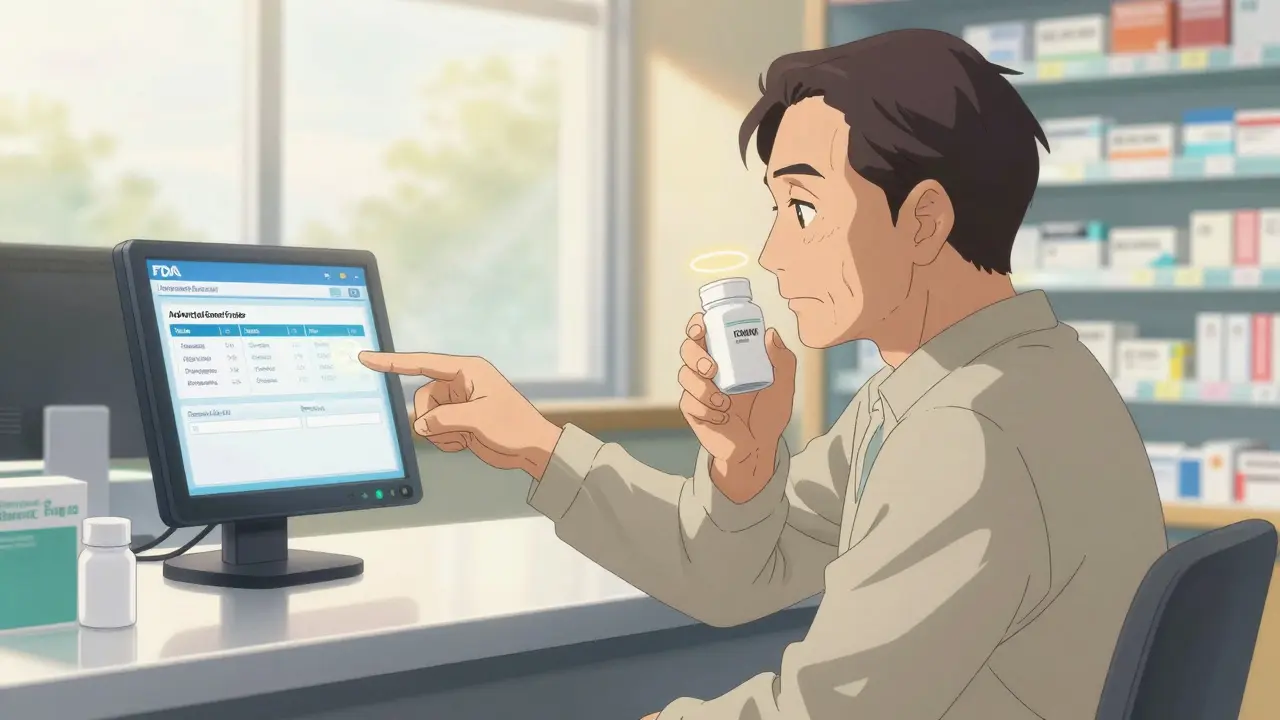
Switching to an Authorized Generic: Managing Patient Transitions
Switching to an authorized generic can mean identical medication at lower cost, fewer side effects, and better adherence-especially for patients on narrow therapeutic index drugs. Learn how to identify, access, and transition safely.
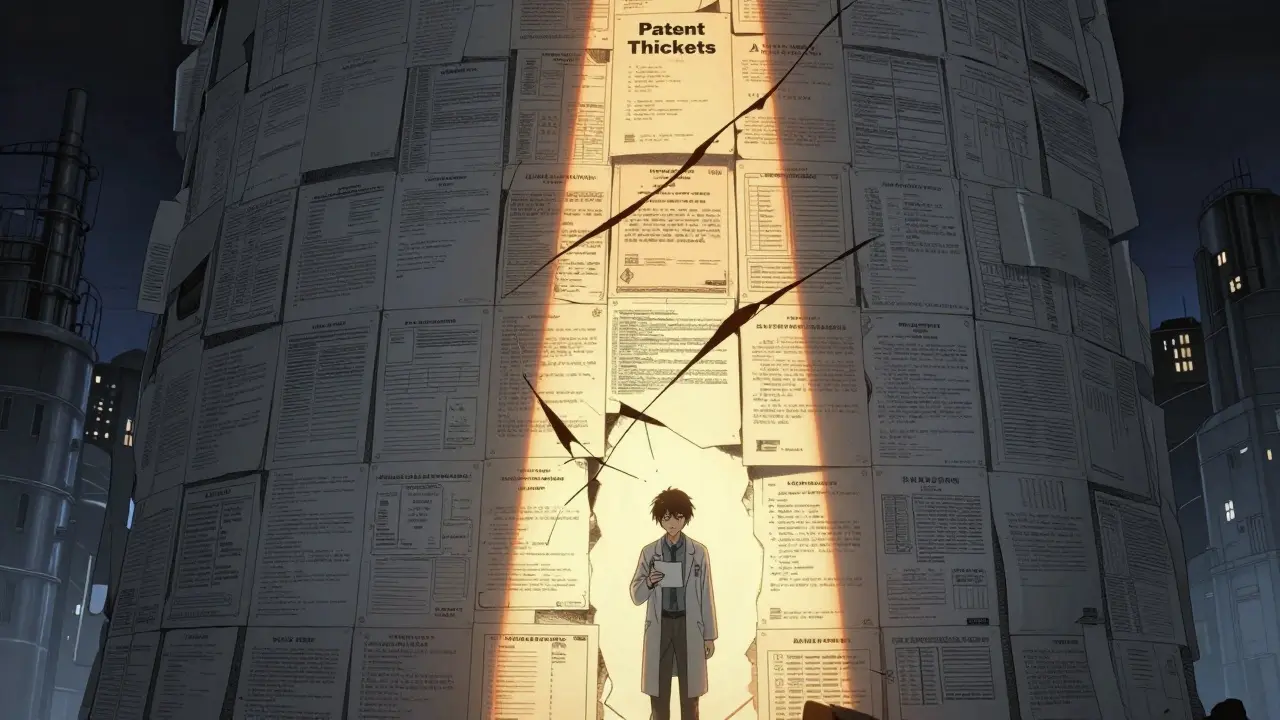
Why Some Brand-Name Drugs Have No Generic Alternatives
Why do some brand-name drugs remain expensive even after patents expire? The answer lies in complex regulations, patent tactics, and manufacturing barriers that block generic competition-leaving patients to pay significantly more.
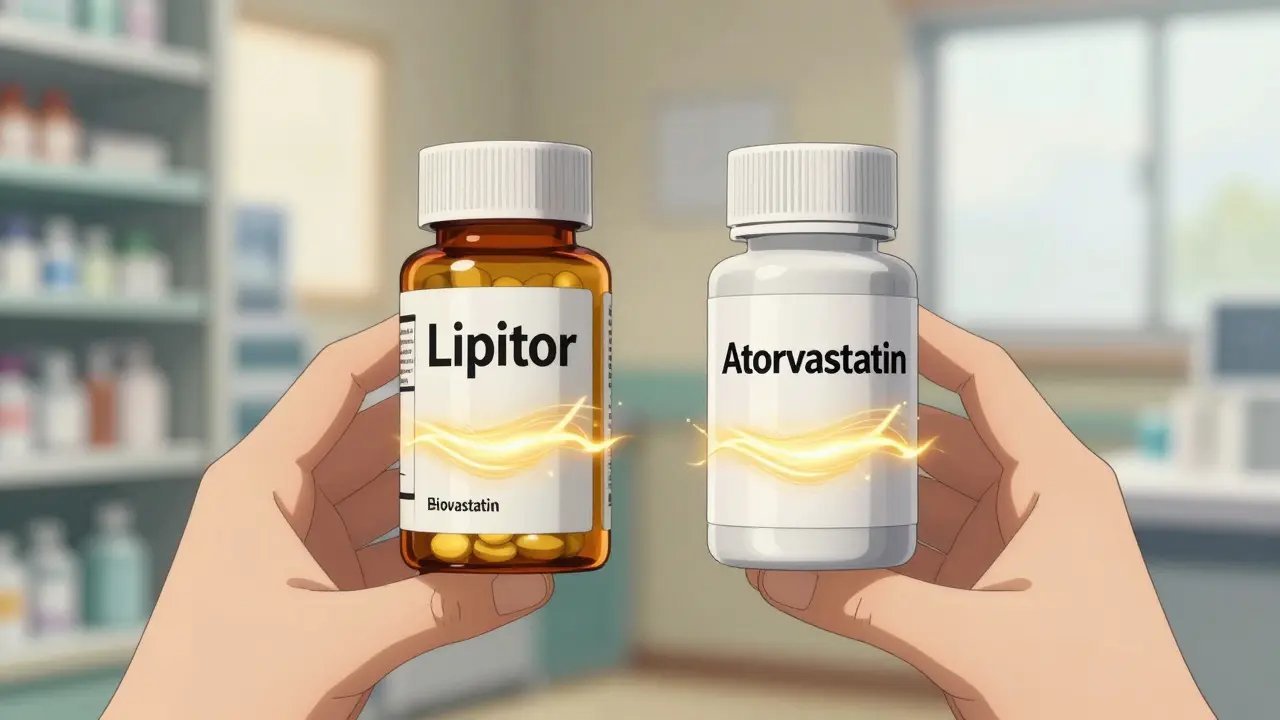
Understanding FDA Generic Approval: An Easy Overview for Patients
Learn how the FDA approves generic drugs, why they're safe and effective, and how they save patients billions each year. A clear, patient-friendly guide to understanding generic medication approval.
Biosimilar or Generic? How to Choose the Right Medication for Your Treatment
Learn the key differences between biosimilars and generic drugs to make informed treatment choices. Understand safety, cost savings, and when each option is right for you.
Modified-Release Formulations: What You Need to Know About Bioequivalence Rules
Modified-release formulations require special bioequivalence testing to ensure generic versions release drugs at the right time and rate. Learn how regulators like the FDA and EMA assess these complex drugs-and why some generics fail.
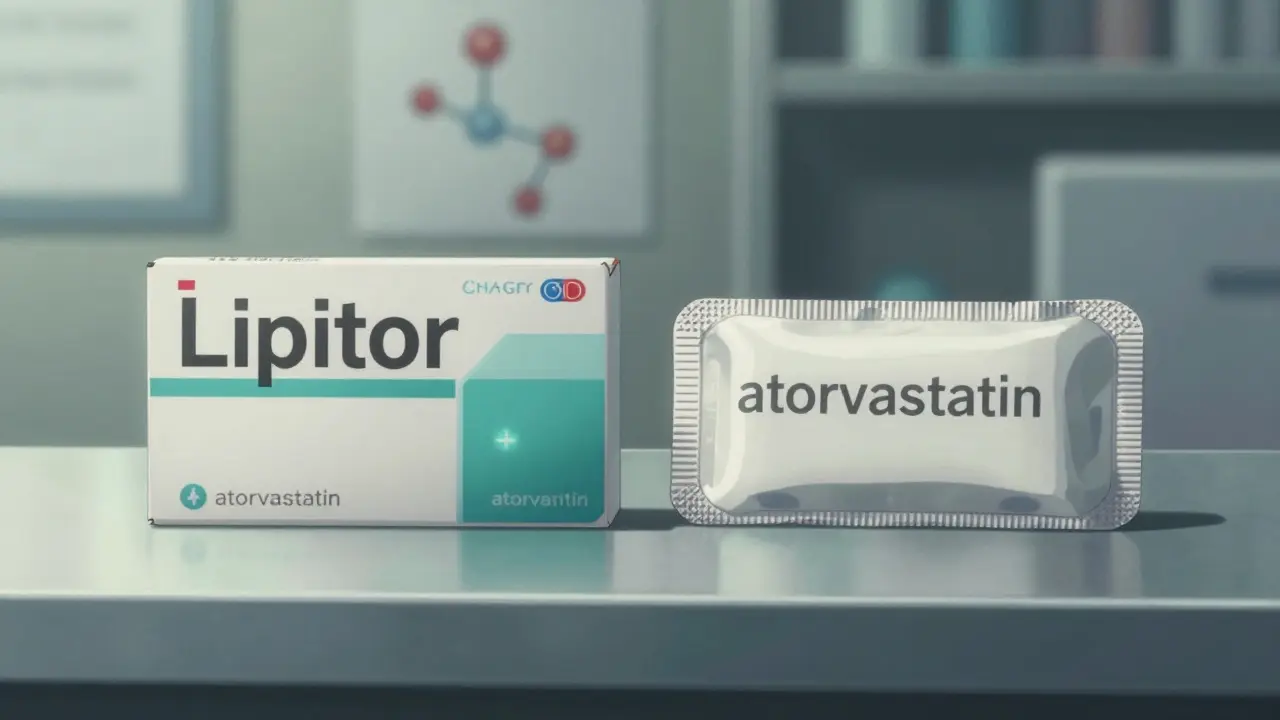
Generic vs Brand Name Drugs: What the Label Really Tells You
Generic drugs are just as effective as brand-name versions, with identical active ingredients and FDA-approved therapeutic equivalence. The main differences are in labeling, appearance, and cost-generics save patients up to 90% on medication expenses.
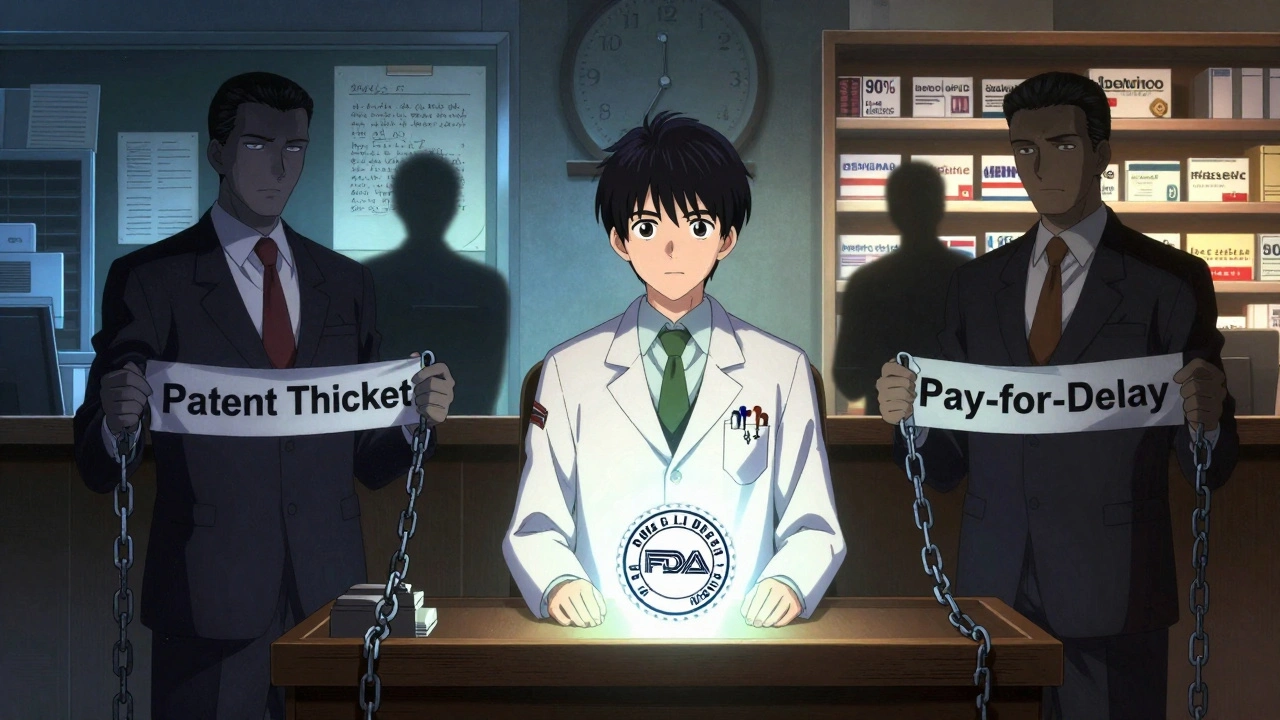
Hatch-Waxman Act: How It Shaped Generic Drug Access in the U.S.
The Hatch-Waxman Act created the modern system for generic drug approval in the U.S., balancing innovation incentives with affordable access. It cut drug costs by 80% and made generics 90% of prescriptions.